







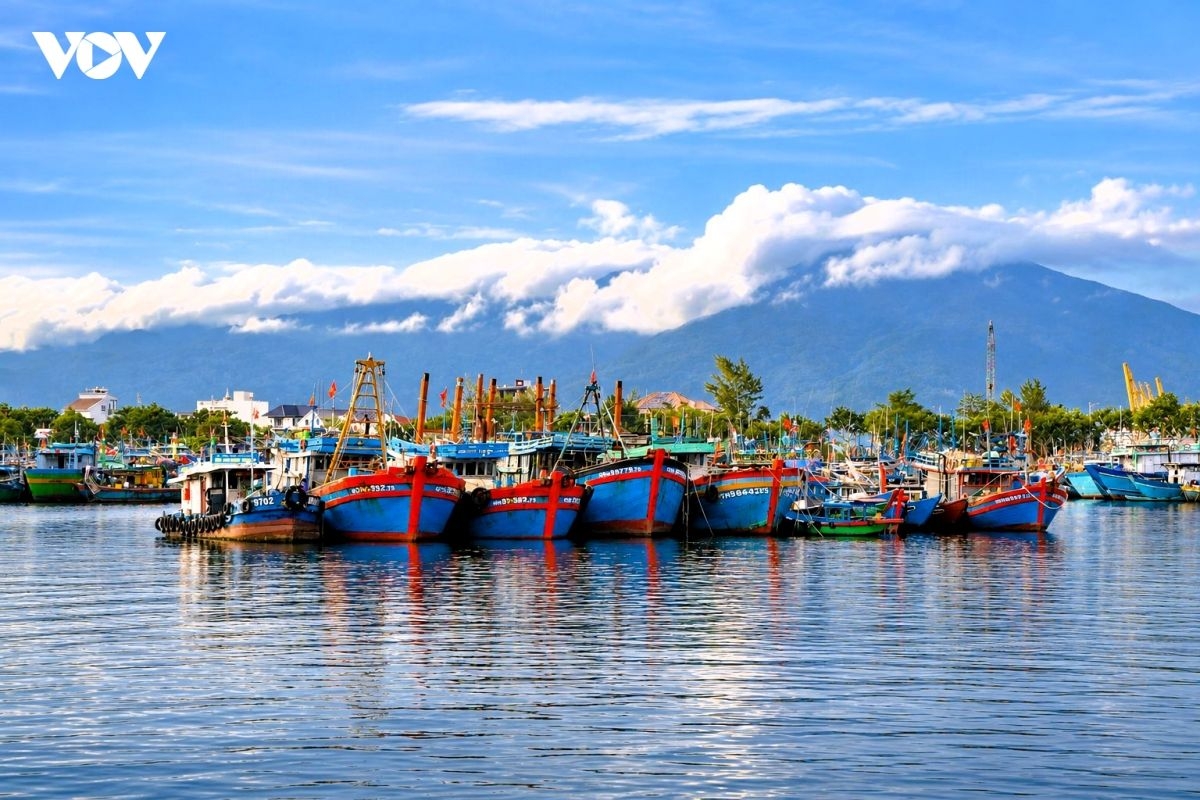
The municipal authorities are reviewing vessels that do not meet operational requirements and working to resolve bottlenecks in fisheries management.
At Tho Quang Fishing Port, vessels frequently dock to unload their catch and prepare for new voyages. With each trip, fishermen are increasingly focused on complying with regulations—from maintaining the connectivity of Vessel Monitoring Systems (VMS) and keeping accurate fishing logs to completing the necessary procedures for port entry and departure.
Nguyen Tien, from Tra Cau Ward in Quang Ngai Province, said the owner and crew of the vessel QNg 98540 are fully aware of their responsibilities while operating at sea.
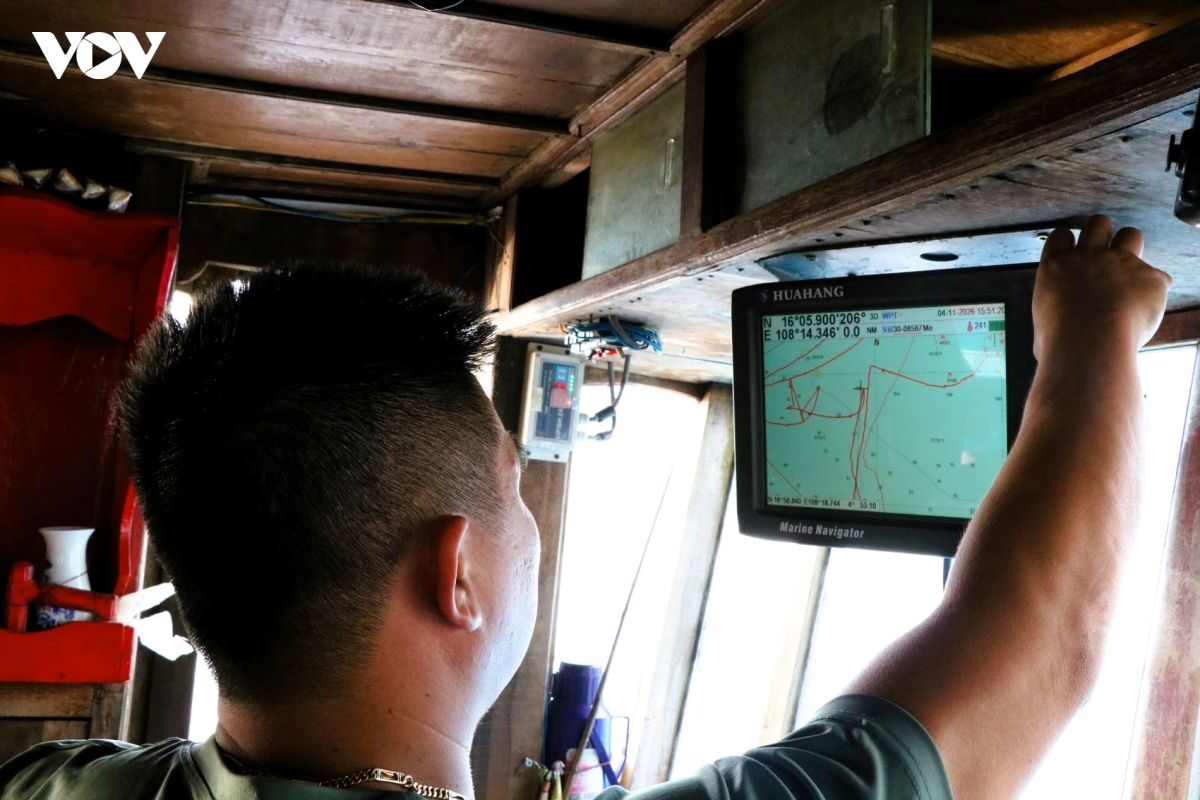
“We comply with state regulations, conducting fishing activities exclusively within Vietnamese waters. Before heading out to sea, we submit the required notifications and keep our VMS active so that authorities can track our movements. All necessary vessel documentation is kept in order. Compared to the past, our fishermen have developed a greater sense of responsibility regarding the fight against IUU fishing,” said Tien.
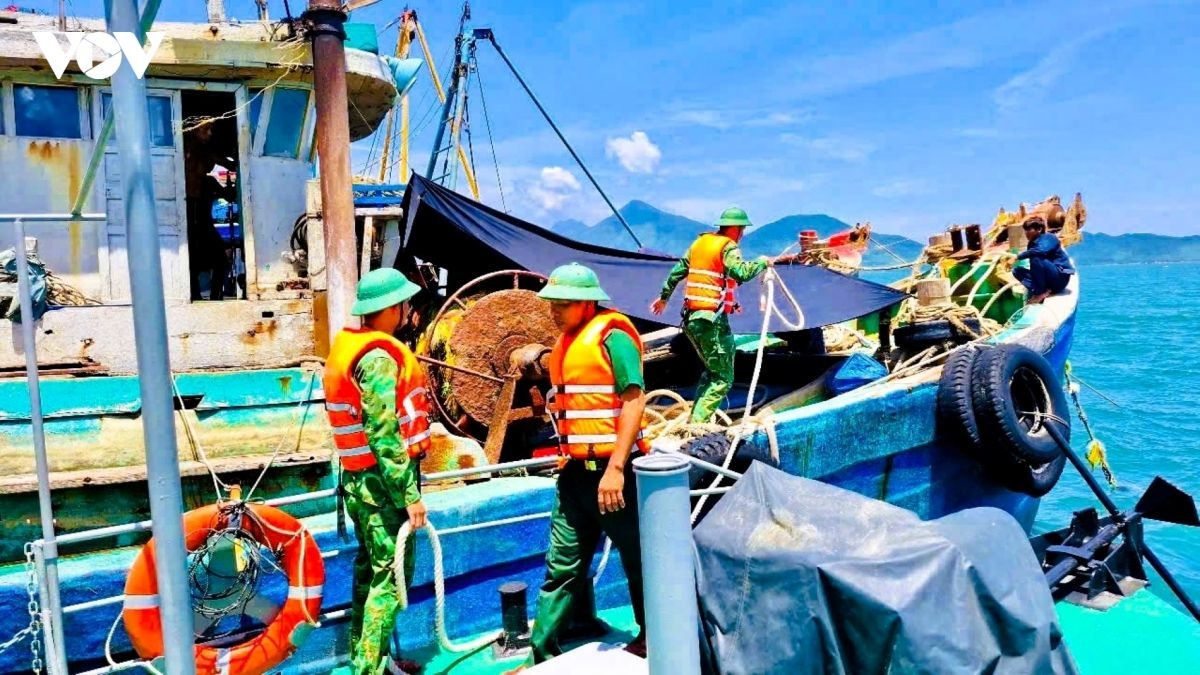
To date, Da Nang has inventoried and brought 4,040 fishing vessels under official management, with all data uploaded to the national fishing vessel management software. All 1,177 vessels operating in offshore waters have been equipped with VMS and are monitored around the clock.
According to Ngo Van Quang, Head of the Da Nang Sub-Department of Seas, Islands, and Fisheries, the city on November 2 began to check every individual vessel. “We are advising the city to arrange a number of fishing ports, fishing stations and centralized landing points for boats from 6 meters to under 15 meters in length in coastal areas that do not have designated fishing ports," said Quang.
"This will enable fishermen to trace the origin, report and declare the output of exploited aquatic products, contributing to meeting the European Commission (EC)’s recommendations in combating IUU fishing,” he added.
Fighting IUU fishing not only aims to get the EC's "yellow card" warning lifted, but is also a long-term requirement for responsible fisheries and sustainable development.




