



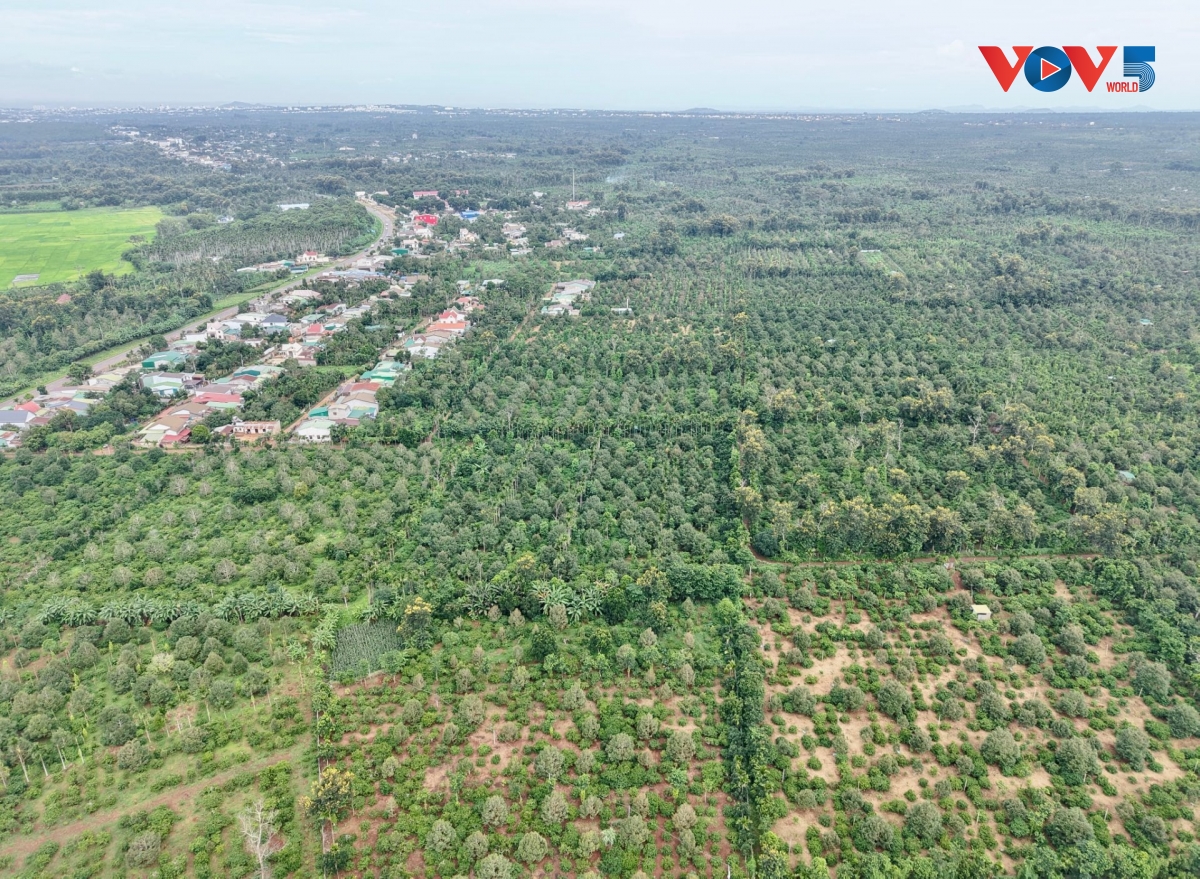
In late September, Ksor Y Vien and his wife of Hwing hamlet in Ea Hiao commune prepared to tend their grove of durian trees interplanted with coffee. Y Vien said the most recent durian harvest earned his family nearly 4,000 USD. Their 1.1-hectare farm, which grows both the durian and the coffee, generated 14,000 USD in revenue this year.
When Y Vien got married in 2015, his parents gave the couple 1,000 square meters of land to cultivate. Back then, he did extra work as a hired laborer, saved his money, and took out bank loans to buy more land. Access to credit helped him build a stable livelihood.
Y Vien now plans to take out another substantial loan to develop an integrated farming model that combines crop cultivation and livestock breeding. "We’re raising cattle and plan to sell them. With this revenue plus a bank loan, we’ll build facilities for pig farming. My family hopes to secure an additional loan of 12,000 USD from the bank with a five-year repayment term to restructure our crops and livestock production. Increased income will allow us to repay the loan and be able to afford our children's education," said Y Vien.
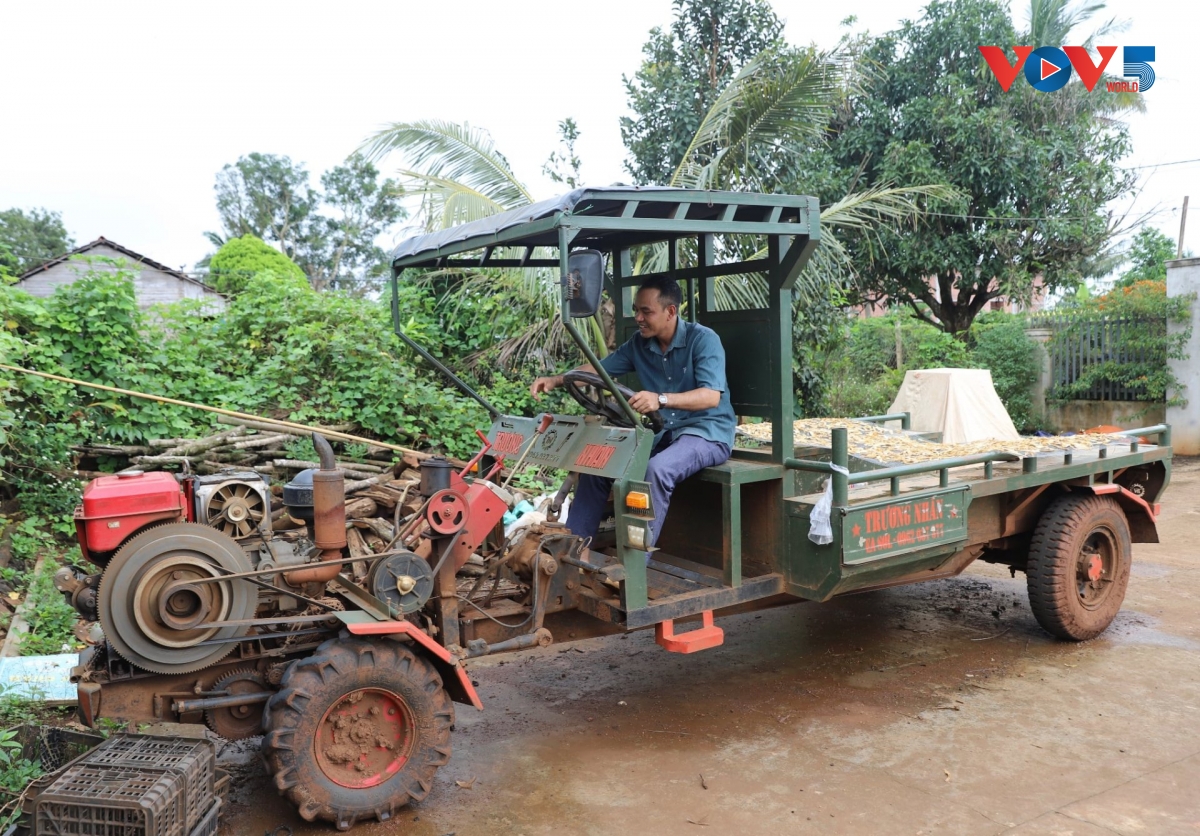
Kpa Liem, who also lives in Hwing hamlet, overcame poverty and built a better livelihood with the help of preferential bank credit. In 1997, he borrowed 190 USD to start a small-scale production model, aiming to get rid of poverty. Later, he borrowed 19,000 USD to buy a 6.5-hectare farm, where he planted 7,000 coffee trees, 150 durian trees, and 500 pepper vines. This year's harvest yielded 15 tons of coffee, 10 tons of durian, and 2 tons of peppers, which he sold for 125,000 USD.
According to Kpa Liem, in addition to the bank raising loan cap, the time required to process procedures has been significantly shortened thanks to digital transformation, making it easier for locals to access capital.
"In the past, it could take up to three days to get a loan because of cumbersome paperwork, from notarization, and environmental checks. Now, it is much faster. A local loan team checks the documents in the morning, and by the afternoon, we can go to the bank to complete the procedure. We can now secure a loan within a single day, making things so convenient," said Kpa Liem.
Ea Hiao commune has 7,100 households and a population of 31,400, with ethnic minorities accounting for 52% of residents. Under Dak Lak province's latest development plan, Ea Hiao, with its great agricultural strengths, is set to be the province's northern economic growth hub.
According to Huynh Van Vinh, Deputy Chairman of the Ea Hiao commune People's Committee, agricultural and rural credit is crucial to unlock development potential. "When residents ask us to certify loan documents, the Commune People's Committee directs the Public Administrative Service Center and the Economic Division to process their applications within one to two hours. We also ask banks to prioritize additional credit, particularly preferential loans, for poor households, policy beneficiary families, and ethnic minority communities in remote areas," Vinh noted.
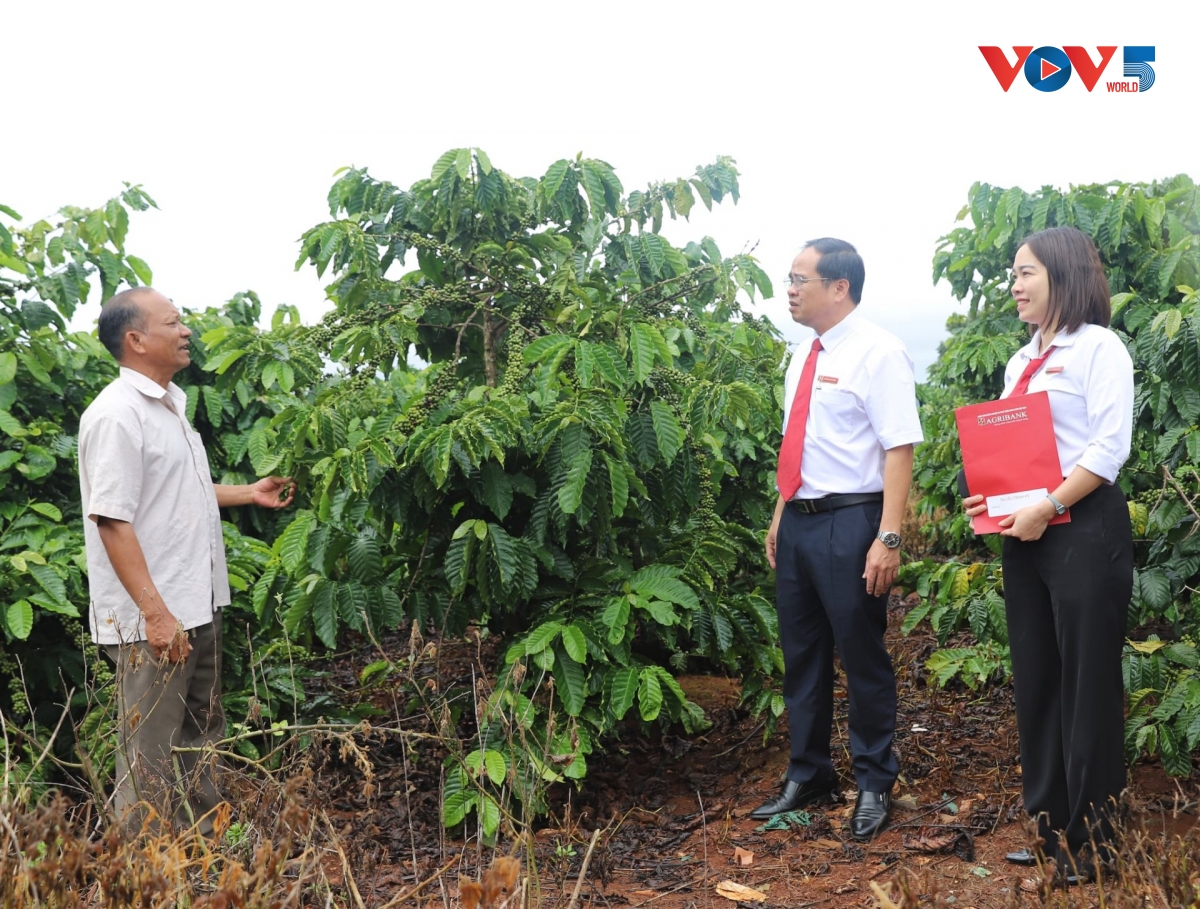
The Vietnam Bank for Agriculture and Rural Development (Agribank) plays a leading role in implementing agricultural and rural credit policies in Dak Lak. Agribank's north Dak Lak branch has outstanding loans totaling 750 million USD, serving 29,000 borrowers, 2,800 of them ethnic minority borrowers with outstanding loans totaling 78 million USD.
According to Nguyen Van Tung, Deputy Director of Agribank's north Dak Lak branch, the bank has directed capital toward agriculture in line with government decrees and higher-level banking directives to help ethnic minority households in remote areas finance crop cultivation and livestock production. In addition to lending, the branch’s welfare programs are helping residents stabilize their livelihood and strengthen their household economy.
"Our branch implements 15 preferential credit policies and programs, offering individual customers, including ethnic minorities, interest rates 1 to 2 percentage points below standard lending rates,” said Tung, adding, “These programs cover a wide range of needs, including housing, daily living expenses, crop cultivation, animal husbandry, aquaculture, and mechanization. This enables customers to access credit that better suits their actual needs."
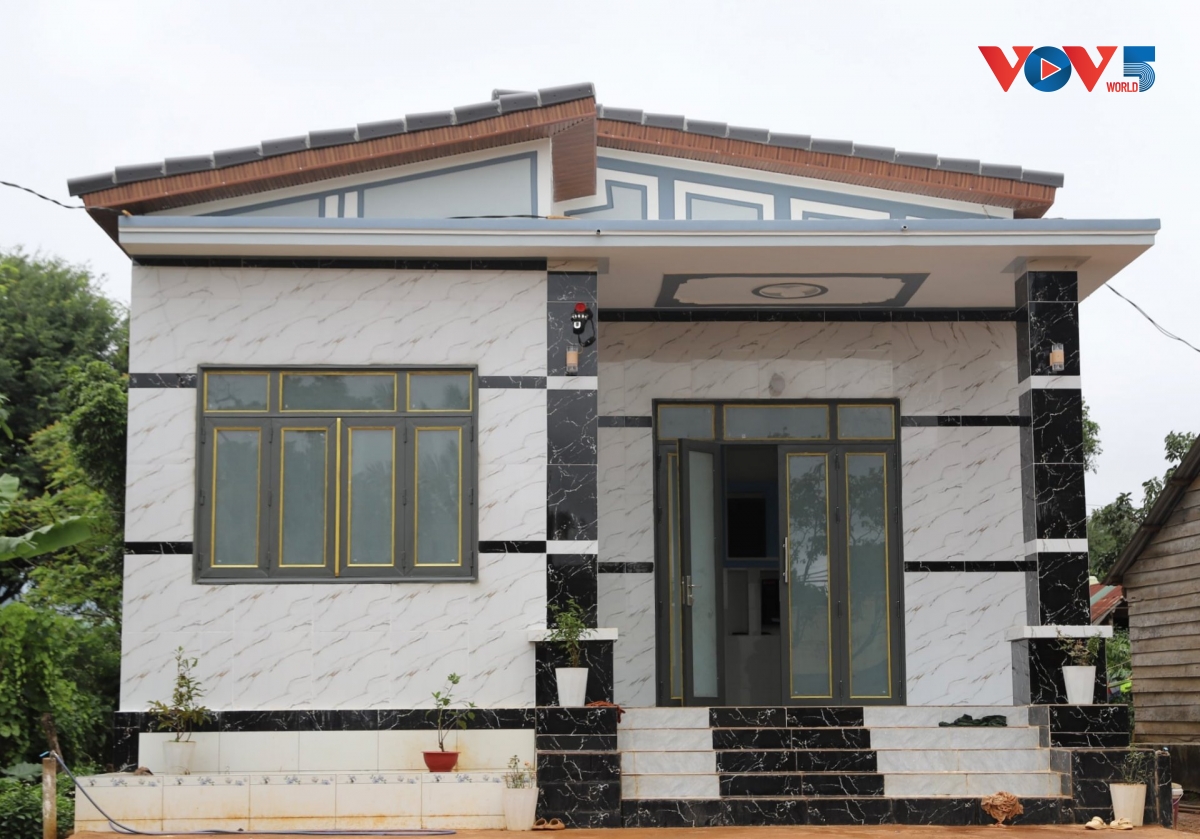
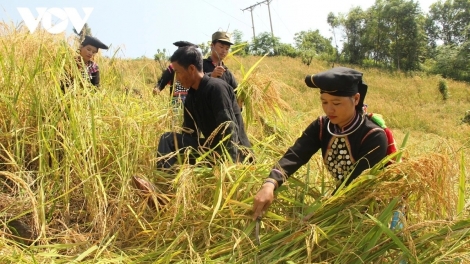
Access to suitable loans has enabled many ethnic minority households in remote areas of Dak Lak like Ea Hiao commune to expand production, improve their livestock, and move from poverty to prosperity.
Credit has transformed family livelihoods, narrowed development gaps, made communities more prosperous, strengthened public confidence in Party and State policies, and paved the way for Dak Lak’s rapid, sustainable development in the new era.