



“When I was young, I learned to sing Phong slu from the older generations. I watched the elders singing and then joined in the call-and-response sessions. We also sang Sli of the Nung people, and Then and Put lan of the Tay. Almost everyone in my generation knew how to sing our folk songs,” said Hoang Van Thinh.
“In the past, the living conditions were difficult, so there were no classes teaching Then, Phong slu or other folk songs like there are today. Those who were interested simply listened and learned from the older people,” said Sam Thi Sinh.
With no books, schools or formal classes, villagers like Thinh and Sinh of Truong Ha commune, Cao Bang province learned to sing naturally and passed down the songs from one generation to another. Phong slu are “love letters” conveying the innermost feelings of young men and women in love or facing difficulties in their relationships. Through poetic lyrics and melodies, they gently express their longing and affection.
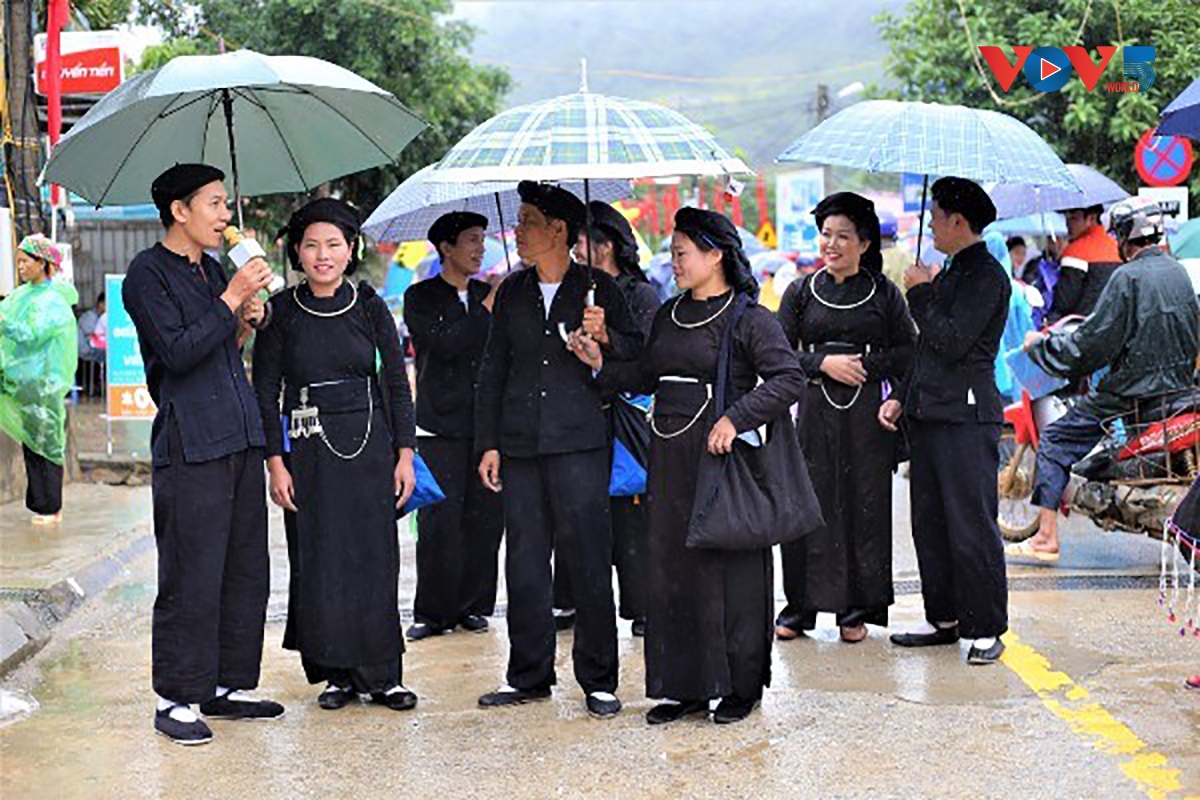
Dinh Van Dai from Thach A commune, who has written hundreds of Phong slu songs, explains the structure of Phong slu poetry. “Phong slu and luon Then are both written in eight lines, with seven words in each line. The seventh word of one line rhymes with the fifth word of the following line. This rhyme gives the verses a sweet and enchanting melody.”
Phong slu is a language art. The seven-word verses, with their carefully crafted rhymes, create beautiful harmony when performed with traditional string and wind instruments. Sam Thi Sinh of Truong Ha commune said, “The themes cover a wide range of topics, including the Party, President Ho Chi Minh, fields and gardens, and love. But I can’t write the lyrics in Tay language. Whenever I perform at an event, I ask an artisan, who knows Tay language and the art form, to write the lyrics for me.”
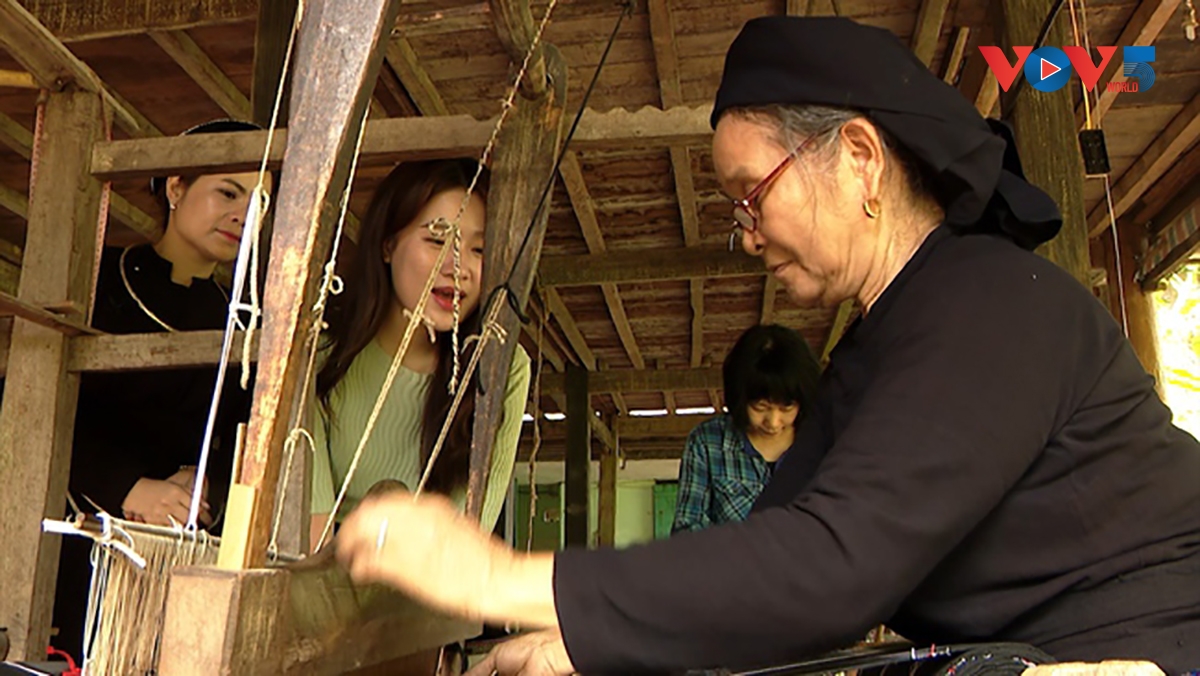
Phong slu’s poetic form and melodies are also used to record folk stories. As a result, each Phong slu poem bears the imprint of a locality. Today, in modern life, Phong slu is no longer widely used to express personal feelings. But the melodies can still be heard at community gatherings and festivals.
“To preserve our ethnic cultural identity, Then, luon and phong slu performances are indispensable at community events. The songs may praise the Party or follow a particular theme. For example, we are preparing for a meeting of the Elderly Association’s activities, so we will sing songs about older people, good role models and good deeds, and national unity. Before Tet, people gather at the cultural centre to practice luon and Phong slu singing for spring festivals,” Nong Thi Loan from Dong Khe commune said.
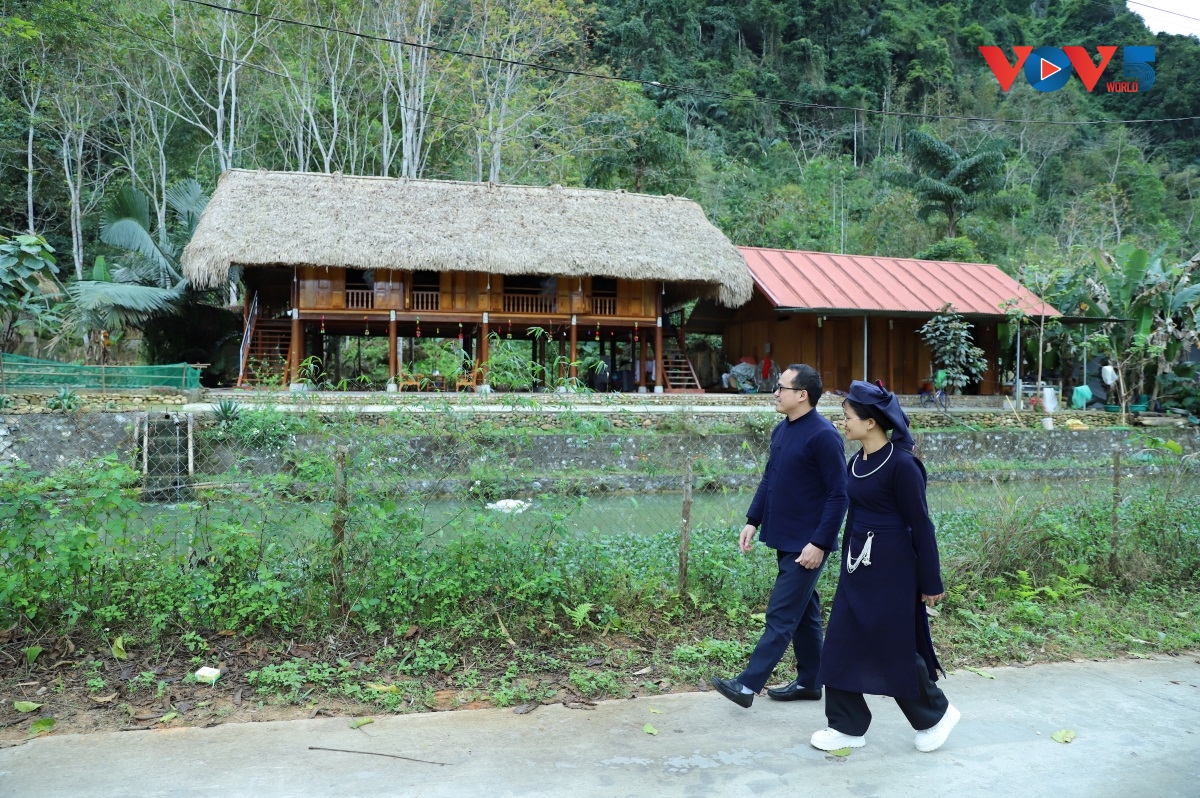
Hoang Van Thinh, who has devoted his life to this folk tradition, shares his concern, “I worry that the younger generations may no longer know these folk melodies. That is why I continue to teach our traditional songs to young people. I often sing and the children can sing along.”
Artisans such as Hoang Van Thinh and Sam Thi Sinh continue to pass Phong slu on to younger generations. As long as these melodies continue to resonate through the villages, the community bond and cultural identity of the Tay people will abide.