



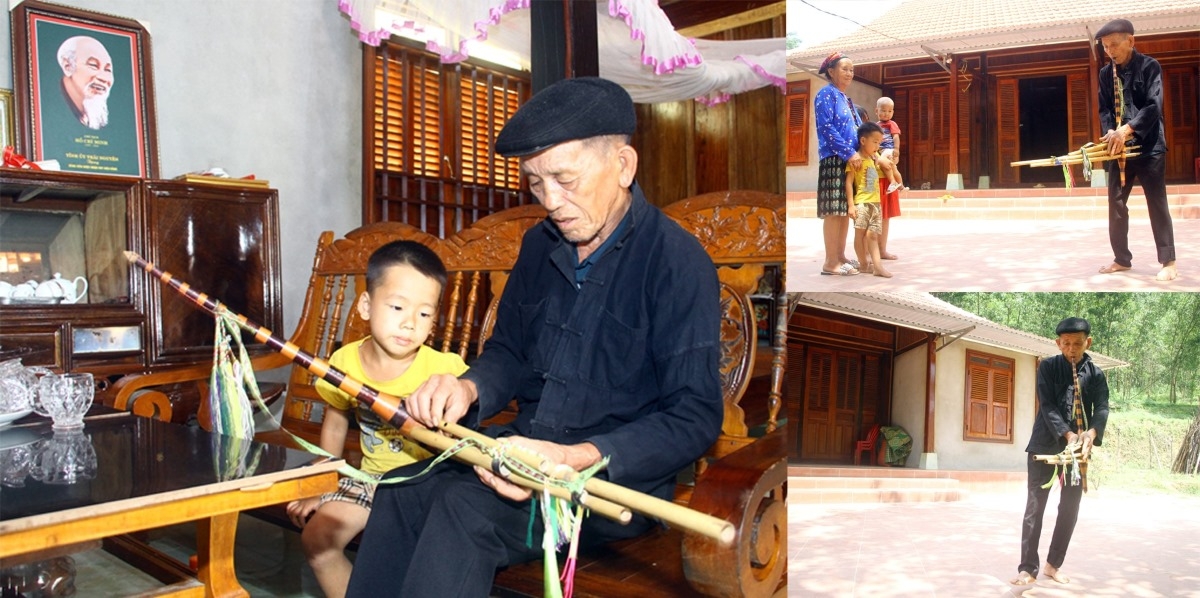
Meritorious Artisan Hoang Van Mui of Khe Mong hamlet, Van Lang commune, shares a common concern of Mong people: how to preserve the Mong khen, a traditional reed-pipe musical instrument.
In addition to performing at ethnic cultural exchange programs, Mr. Mui has devoted himself to passing on the art of khen to younger generations.
"I've taught many children. Some enjoy it and learn to play, while others lose interest and give up. Playing the khen is not learned from books. You have to memorize everything. It’s not easy. I want young people to learn it so they can preserve our traditional culture," said Mr Mui.
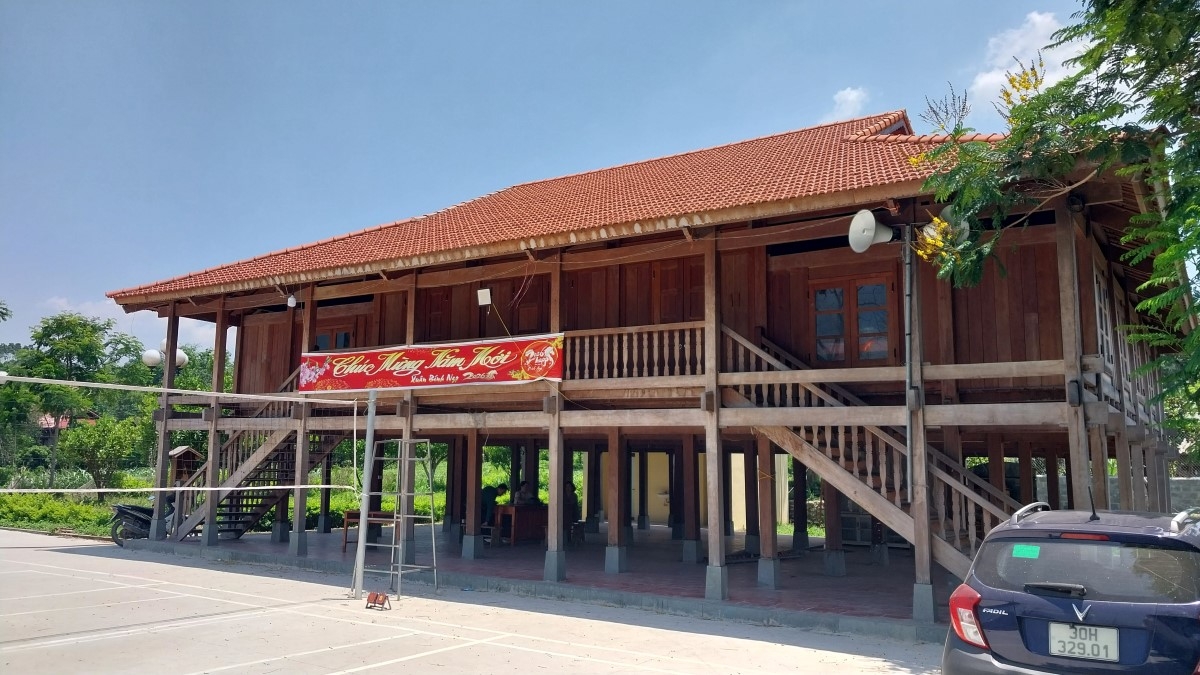
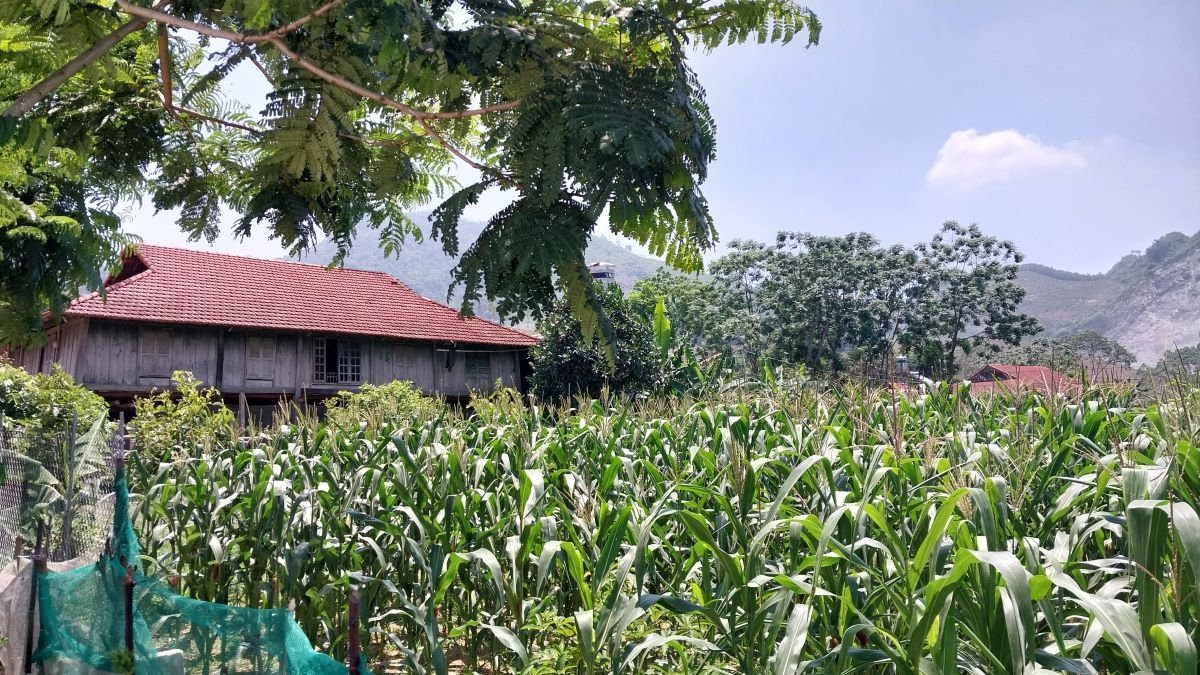
Tan Do Hamlet, also in Van Lang commune, is home to a large Nung ethnic community, whose stilt houses are distinguished by their unique 56-column structure. Approximately 60 of these houses remain.
"Young people are aware of the need to preserve traditions because they are part of our identity and have been passed down for generations. We encourage people to preserve our cultural treasures and do away with outdated customs. In addition to the stilt houses, traditional arts such as Then singing, Luon singing, and Si singing are also being promoted," said Hoang Van Thanh, a respected elder of Tan Do hamlet.
In 2024, the Thai Nguyen Department of Culture, Sports and Tourism funded the construction of a traditional Nung-style stilt house to serve as the cultural house for Tan Do hamlet. Financial support was also provided to restore five old stilt houses.
"Local people hope to receive guidance and support from the Government to develop community-based tourism while preserving our traditional stilt houses," said Chu Van Huong, the head of Tan Do hamlet.
As Van Lang commune pursues rapid, green, sustainable development, it places a priority on preserving its cultural heritages, which are an invaluable resource for long-term development.
"To preserve and promote our culture, we closely follow Thai Nguyen province's cultural preservation strategy while developing our own plans. We’ve established culture and folk arts clubs, which perform at community festivals and celebrations," said Ngo Van Tai, the head of the Culture and Social Affairs office of Van Lang commune.
Thai Nguyen province, home to 1.7 million people of 50 ethnic groups, has an exceptionally rich cultural heritage, which includes 550 items of intangible cultural heritage, 336 traditional festivals, and numerous distinctive forms of folk art, including Vi singing, the Long Tong (Going to the field) Festival, and Then singing accompanied by the Tinh lute of the Tay people; Tac Xinh dancing, Sang Co singing, and the Harvest Praying Festival of the San Chay; and the embroidery craftsmanship of the Dao.
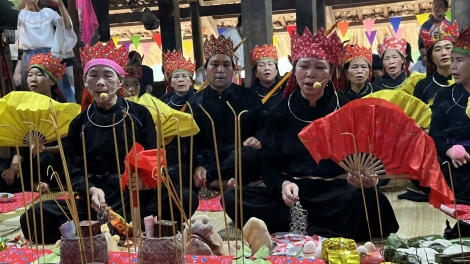
Noteworthy are the Then performances of the Tay, Nung, and Thai ethnic groups, which have been inscribed by UNESCO on the Representative List of the Intangible Cultural Heritage of Humanity. The Government has honored three People's Artisans and 19 Meritorious Artisans for their contributions to preserving this heritage.
"Preserving the cultural identity of ethnic and mountain communities plays a significant role in developing community-based tourism. It raises public awareness and boosts local incomes," said Duong Quang Bao, Deputy Director of the Thai Nguyen Department of Ethnic and Religious Affairs.
The distinctive cultural traditions of multiple ethnic groups create Thai Nguyen's diverse cultural landscape, a great advantage in the province’s sustainable development efforts.