






Soong Co singing, a national intangible heritage of the San Chi
(VOVWORLD) - In late spring, when farm work is less busy, the San Chi ethnic minority people in Binh Lieu district of Quang Ninh province organize their Soong Co Festival. The event has been held for hundreds of years and Soong Co singing, now a national intangible cultural heritage, continues to be popular.

Soong Co singing, a national intangible heritage of the San Chi
Soong Co singing, a national intangible heritage of the San Chi
(VOVWORLD) - In late spring, when farm work is less busy, the San Chi ethnic minority people in Binh Lieu district of Quang Ninh province organize their Soong Co Festival. The event has been held for hundreds of years and Soong Co singing, now a national intangible cultural heritage, continues to be popular.
Twinning ceremony of the E De
(VOVWORLD) - The Ede ethnic minority people of Vietnam’s Central Highlands have preserved many of their ancient customs and traditions. Their Brotherhood Ceremony is a ritual of profound spiritual meaning and community solidarity, which is still respectfully observed today.

Twinning ceremony of the E De
Twinning ceremony of the E De
(VOVWORLD) - The Ede ethnic minority people of Vietnam’s Central Highlands have preserved many of their ancient customs and traditions. Their Brotherhood Ceremony is a ritual of profound spiritual meaning and community solidarity, which is still respectfully observed today.
Rain praying ritual of the X’tieng
(VOVWORLD) - The rain praying ritual is a folk belief practice of the X’tieng ethnic minority in Bu Dang district, Binh Phuoc province. Every year, before the rainy season, the X’tieng organize a ceremony to pray for good weather, good growth, and a bumper crop.
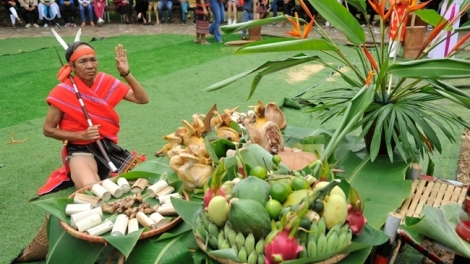
Rain praying ritual of the X’tieng
Rain praying ritual of the X’tieng
(VOVWORLD) - The rain praying ritual is a folk belief practice of the X’tieng ethnic minority in Bu Dang district, Binh Phuoc province. Every year, before the rainy season, the X’tieng organize a ceremony to pray for good weather, good growth, and a bumper crop.
Tay people promote Luon Coi folk singing
(VOVWORLD) - Luon Coi folk singing of the Tay ethnic minority is recognized as a national intangible heritage. The Tay in Bao Lam district in the northern mountain province of Cao Bang have preserved their traditional culture, including Luon Coi singing, and promoted it as a unique tourist attraction.

Tay people promote Luon Coi folk singing
Tay people promote Luon Coi folk singing
(VOVWORLD) - Luon Coi folk singing of the Tay ethnic minority is recognized as a national intangible heritage. The Tay in Bao Lam district in the northern mountain province of Cao Bang have preserved their traditional culture, including Luon Coi singing, and promoted it as a unique tourist attraction.
Jars – family treasure of Central Highlands ethnic groups
(VOVWORLD) - Jars have a very important position in the life of ethnic groups in the Central Highlands. They are used daily, at worship rituals, and as wedding gifts. Jars are a symbol of wealth, social-class, and status of the family.

Jars – family treasure of Central Highlands ethnic groups
Jars – family treasure of Central Highlands ethnic groups
(VOVWORLD) - Jars have a very important position in the life of ethnic groups in the Central Highlands. They are used daily, at worship rituals, and as wedding gifts. Jars are a symbol of wealth, social-class, and status of the family.
Rain praying ceremony of the Lo Lo
(VOVWORLD) - Rain praying is an important ritual of the Lo Lo ethnic minority in the northern mountain province of Cao Bang. The ceremony is closely associated with the customs, life, and production of the Lo Lo for generations.
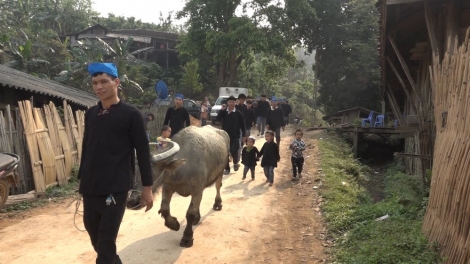
Rain praying ceremony of the Lo Lo
Rain praying ceremony of the Lo Lo
(VOVWORLD) - Rain praying is an important ritual of the Lo Lo ethnic minority in the northern mountain province of Cao Bang. The ceremony is closely associated with the customs, life, and production of the Lo Lo for generations.
Bamboo musical instruments of the Xo Dang
(VOVWORLD) - Ethnic minorities in the Central Highlands have a rich treasure of musical instruments made of different materials. As their lives are closely attached to the mountains and forests, most musical instruments of ethnic groups here and the Xo Dang in particular are made from wood and bamboo.
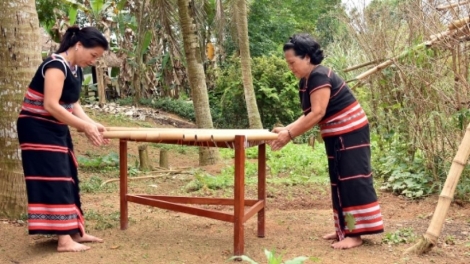
Bamboo musical instruments of the Xo Dang
Bamboo musical instruments of the Xo Dang
(VOVWORLD) - Ethnic minorities in the Central Highlands have a rich treasure of musical instruments made of different materials. As their lives are closely attached to the mountains and forests, most musical instruments of ethnic groups here and the Xo Dang in particular are made from wood and bamboo.
Boarding school serves as second home for Hoa Binh province’s ethnic children
(VOVWORLD) - Cao Phong district’s Boarding Middle and High School for Ethnic Minorities was established in 2002. In its 20 years of operation, the school, which exclusively serves ethnic minority pupils from disadvantaged areas, has become a bright spot in the education and training sector of the northern province of Hoa Binh.

Boarding school serves as second home for Hoa Binh province’s ethnic children
Boarding school serves as second home for Hoa Binh province’s ethnic children
(VOVWORLD) - Cao Phong district’s Boarding Middle and High School for Ethnic Minorities was established in 2002. In its 20 years of operation, the school, which exclusively serves ethnic minority pupils from disadvantaged areas, has become a bright spot in the education and training sector of the northern province of Hoa Binh.
“Tài khoăn” ritual of the Nung in Bac Kan province
(VOVWORLD) - "Tài khoăn", which means “Longevity ritual” in the Nung language, is held on one’s birthday or in the spring, at the beginning of the year. The ritual has been practiced and promoted by generations of the Nung in Na Ri district, Bac Kan province.

“Tài khoăn” ritual of the Nung in Bac Kan province
“Tài khoăn” ritual of the Nung in Bac Kan province
(VOVWORLD) - "Tài khoăn", which means “Longevity ritual” in the Nung language, is held on one’s birthday or in the spring, at the beginning of the year. The ritual has been practiced and promoted by generations of the Nung in Na Ri district, Bac Kan province.
Father, mother chung cakes of the Tay in Quang Ninh province
(VOVWORLD) - When celebrating Tet, the Lunar New Year festival, each ethnic group in Vietnam has its unique traditions. On the 25th to 28th day of the last lunar month, the Tay in Binh Lieu district, Quang Ninh province, make a father chung cake and a mother chung cake, in addition to cakes of normal size and shape.
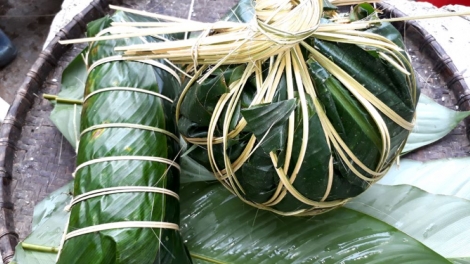
Father, mother chung cakes of the Tay in Quang Ninh province
Father, mother chung cakes of the Tay in Quang Ninh province
(VOVWORLD) - When celebrating Tet, the Lunar New Year festival, each ethnic group in Vietnam has its unique traditions. On the 25th to 28th day of the last lunar month, the Tay in Binh Lieu district, Quang Ninh province, make a father chung cake and a mother chung cake, in addition to cakes of normal size and shape.

