



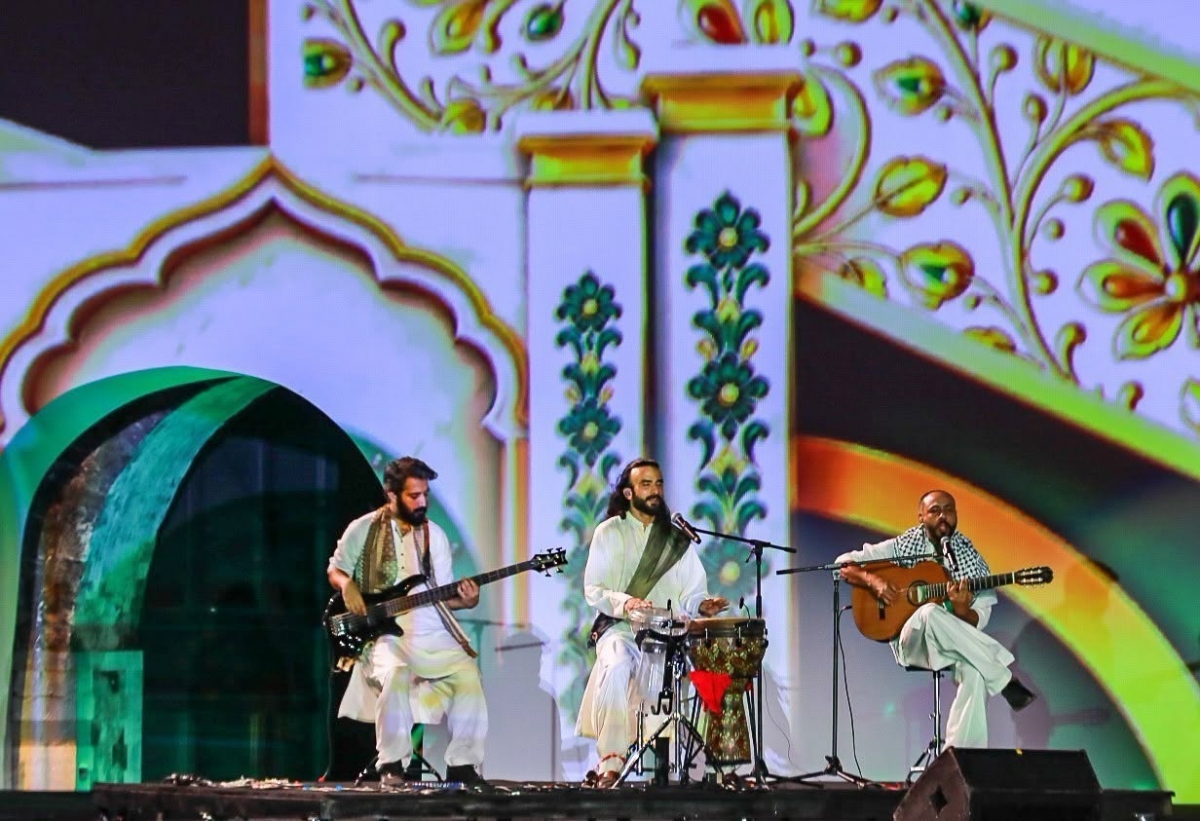
Founded in 2011, Saakin consists of vocalist and percussionist Usman Shakeel, bassist and guitarist Hammad Khalid, and vocalist and guitarist Ali Hamdani.
Although Saakin is often described as a rock band, Usman said its music is much broader. “To be honest, we don’t consider our music specifically rock, because it’s more diverse than that. We come from various backgrounds, and we just try to create a sound that suits and supports our music.”
At the heart of Saakin’s music is Sufi poetry, a rich literary tradition written by Sufi mystics and scholars that expresses the inner, spiritual journey toward a personal and direct connection with God.
Hamdani said Sufi poets used music and poetry to bring their message to ordinary people and Sufi music continues to speak to audiences today.
“When Sufis came to the subcontinent to spread their message, instead of just speaking the message, they chose music and poetry to put the message across. We’re doing Sufi music because it's an eternal message for all times and all ages, and it resonates with the people of the world,” Hamdani told VOV.
While Usman said Sufi music is about how people should live together, Hammad described the Sufi tradition as a call for peace, respect, and harmony.
“The philosophy behind Sufi music is all about the humanity and unconditional love that everyone should have. This is our message to humanity, delivered through our poetry and our music,” said Usman.
“What I believe is, as Usman has said, it's a message of peace and humanity, of basic consideration for people around you and their values, and respecting everything. And it's mostly, for me, about harmony regardless of culture, religion, or ethnicity,” said Hammad.
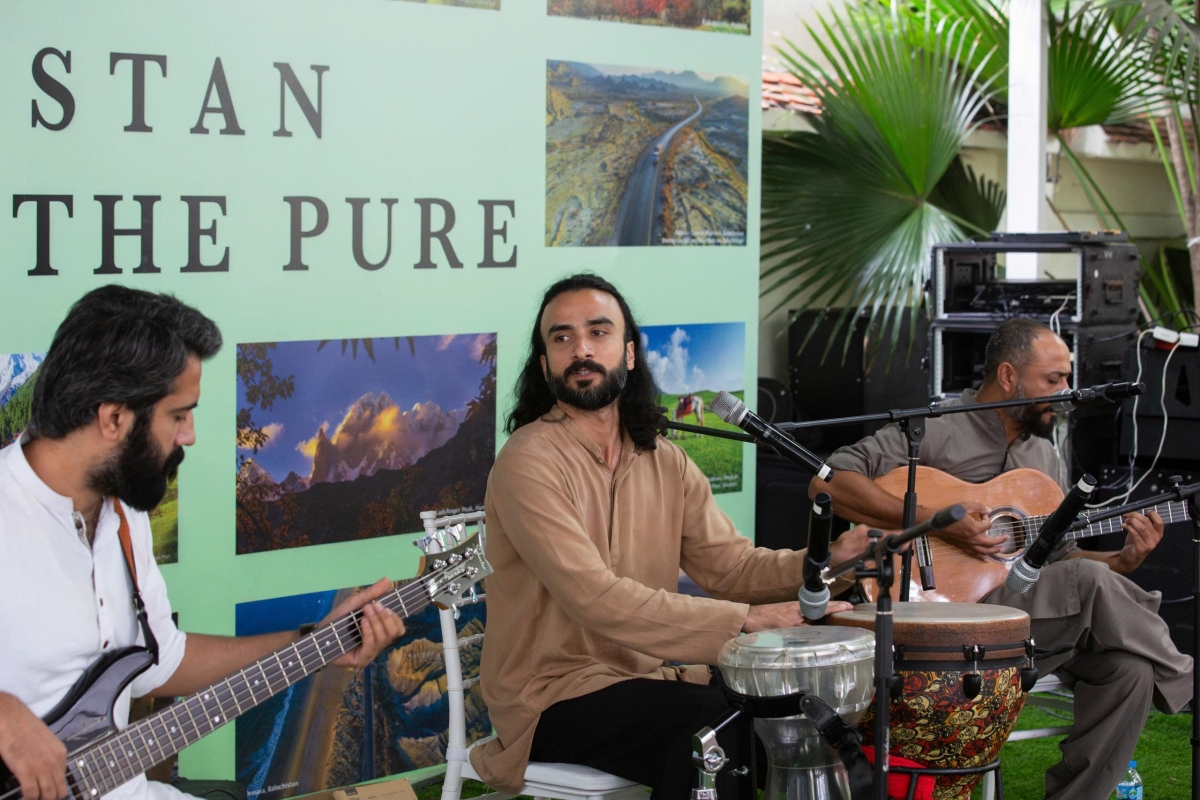
Saakin’s arrangements bring traditional Sufi poetry into dialogue with modern instruments and contemporary musical forms. Ali Satar, the band’s filmmaker, said this combination contributes to making the poetry palatable to younger audiences. “Their contribution is immense when it comes to creating Sufi music for a young audience. The poetry is very old, but the way they’re using that poetry to create music is something very new.”
Saakin believes listeners don’t need to understand the words to respond to the music. Melody, rhythm, and emotion can create a connection first and the meaning of the lyrics can come later.
“The young audience first just enjoys the music, because music is the thing that attracts. If they’re attracted by the melody, it's easier for them to absorb and understand the message. Once they get hooked by the beat, they’re more curious to know what the band is saying,” said Satar, adding, “When something is done from the soul, everybody understands it. It's not really necessary to translate it into other languages. When people hear soulful songs, they feel healed.”
Hammad said the best thing about Sufi music is that it creates a trance in which you don't have to really understand the meaning right away. “But you get into a trance which helps everyone heal and get carried along with the music.”
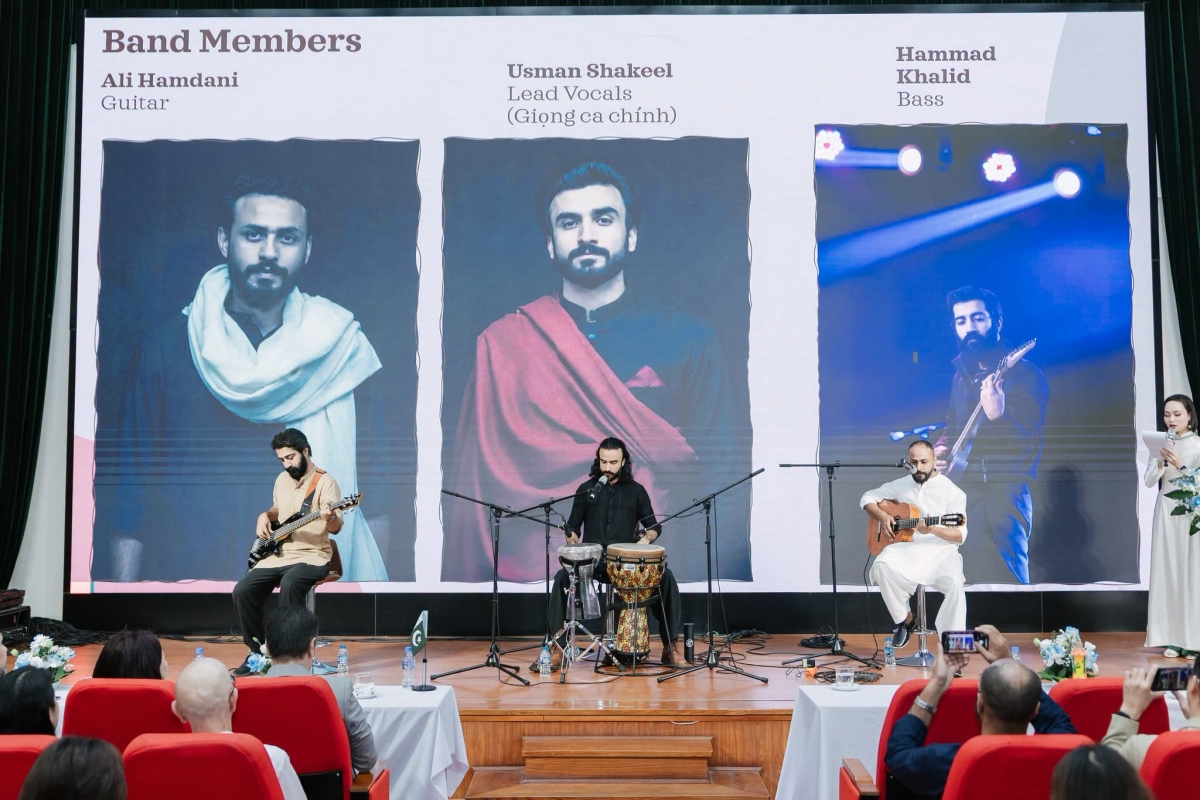
Saakin’s visit was part of the Embassy of Pakistan’s cultural diplomacy program. Ambassador Kohdayar Marri said the invitation reflected Pakistan’s desire to introduce Vietnamese audiences to a modern interpretation of the country’s traditional music.
“That way people can relate to it more and have an understanding of the youth culture of Pakistan along with the tradition. I feel that Pakistan and Vietnam have not explored each other's culture as much as possible. So slowly, we are exchanging ideas, we are exchanging thoughts and we're exchanging our heritage with each other,” said the diplomat.
Saakin’s cultural exchange program in Hanoi has opened the door to future musical collaborations. The band has previously worked with artists from Germany, North Macedonia, Turkey, and Iran, and is now exploring the possibility of blending Vietnamese melodies with Urdu lyrics. It has already discussed a potential collaboration with a Vietnamese synthesizer musician, attracted by what they describe as Vietnam’s rich musical heritage and strong spirit of cultural exchange.