







Reporter: Welcome to VOV24/7’s studio, Ambassador Kohdayar Marri. Thank you for spending time with us.
Ambassador: Thank you for having me. It's wonderful to be here. And it's good to be speaking with you about this, as well. I would like to open my culture and my culinary culture to Vietnam.
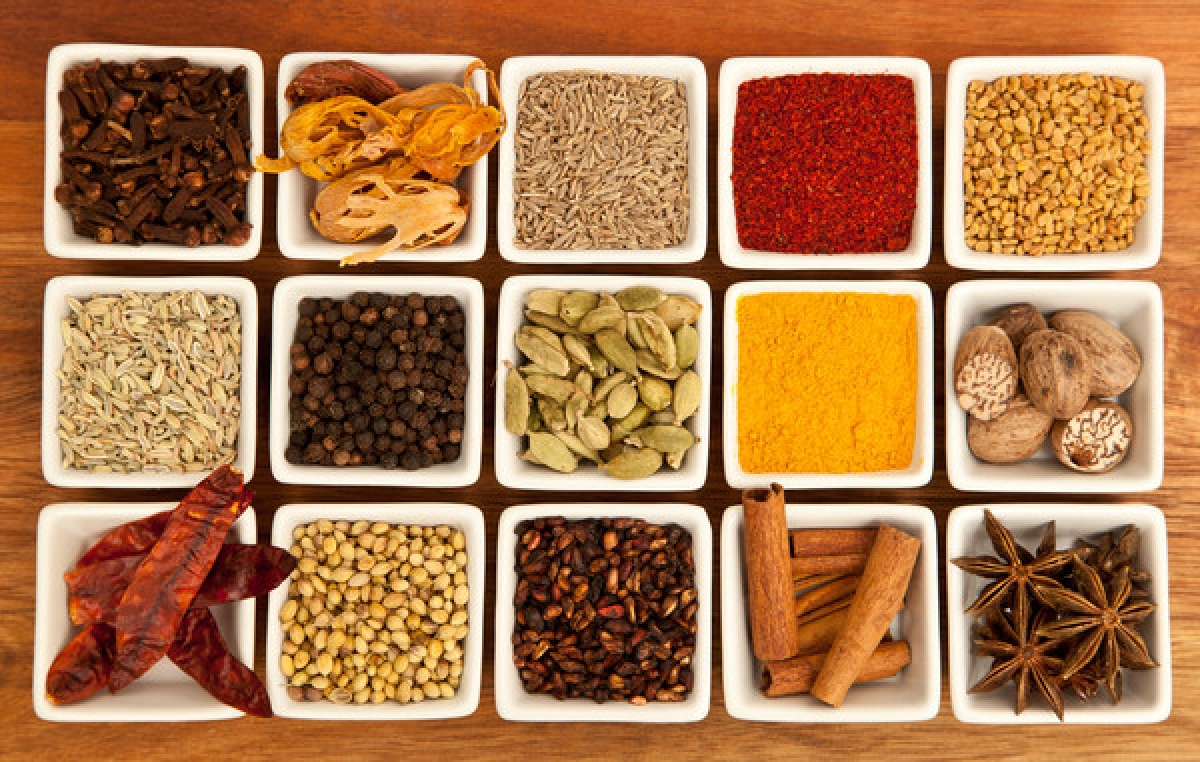
Reporter: Vietnam is the land of fresh herbs, while Pakistan is the land of 'Masala'. How would you describe Pakistani spices to someone tasting them for the first time?
Ambassador: Rich spices, what we call masala, is a mixture of spices. You mix various types of salts and peppers and chilies, etc., to make special kinds of flavors, which is something that’s not available here and I do hope we’ll be able to import it here so the Vietnamese people can taste our flavors.

Reporter: Using food to introduce a culture is such a sensory experience. Why did you choose this "culinary diplomacy" as the primary way to connect the people of Sindh with Vietnam? We know that later this month, a culinary delegation from Pakistan's Sindh province will visit Hanoi to introduce their cuisine. Ambassador: Well, the interesting thing is that we were looking for new and unique ways of diplomatic relations. One of the things is that, in this era, you can no longer just sit in offices and exchange messages and calls with other diplomats and politicians. It has to be more face-to-face, people-to-people, a more active engagement. And food is something that we all cannot deny. We all like food and have different relationships with food and have very personal connections with certain foods, as well.
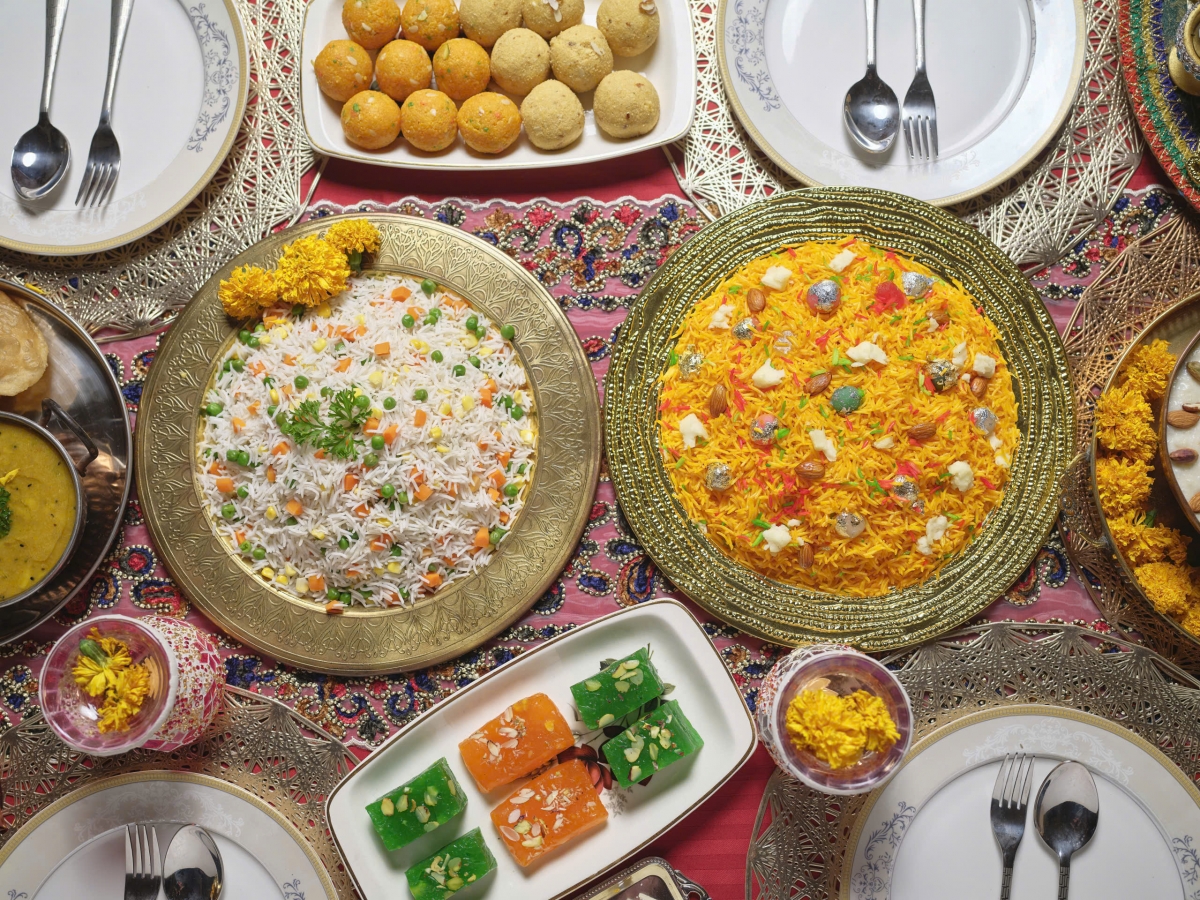
Reporter: I know that Biryani is legendary in Pakistan. What makes a Sindhi Biryani a complete meal rather than just a side dish?
Ambassador: Biryani is actually the main rice dish. It's one of the varieties of rice dishes and it's basically rice mixed with some meat, usually chicken, or sometimes beef, and then with some nuts, as well, as then many spices. Biryani is basically a full meal. You have meat, you've got rice, and you've got some vegetables mixed in, carrots and peas and things like that. It's common for daily meals. And it's usually prepared in huge dishes and then scooped out onto small plates. You have everything in bowls here. There we have everything on plates. So we serve it on large plates and we put some meat next to it.
Reporter: While rice is the heart of the land, the sea provides the soul of Sindhi flavor. I have a very personal question for you. As a seafood lover, how does a Sindhi seafood dish differ from the coastal flavors we have here in Vietnam?
Ambassador: Yes, that’s a very personal thing. I’m very happy to be in Vietnam and what my mother and I like best is seafood. We love all kinds of fish, anything from the sea. As for the difference between Sindhi and Pakistani seafood and Vietnamese seafood, I would say ours is spicier. It's got more spices, it's more roasted, it's more cooked on a fire. Vietnamese has a different variety of it and different ways of preparing seafood.
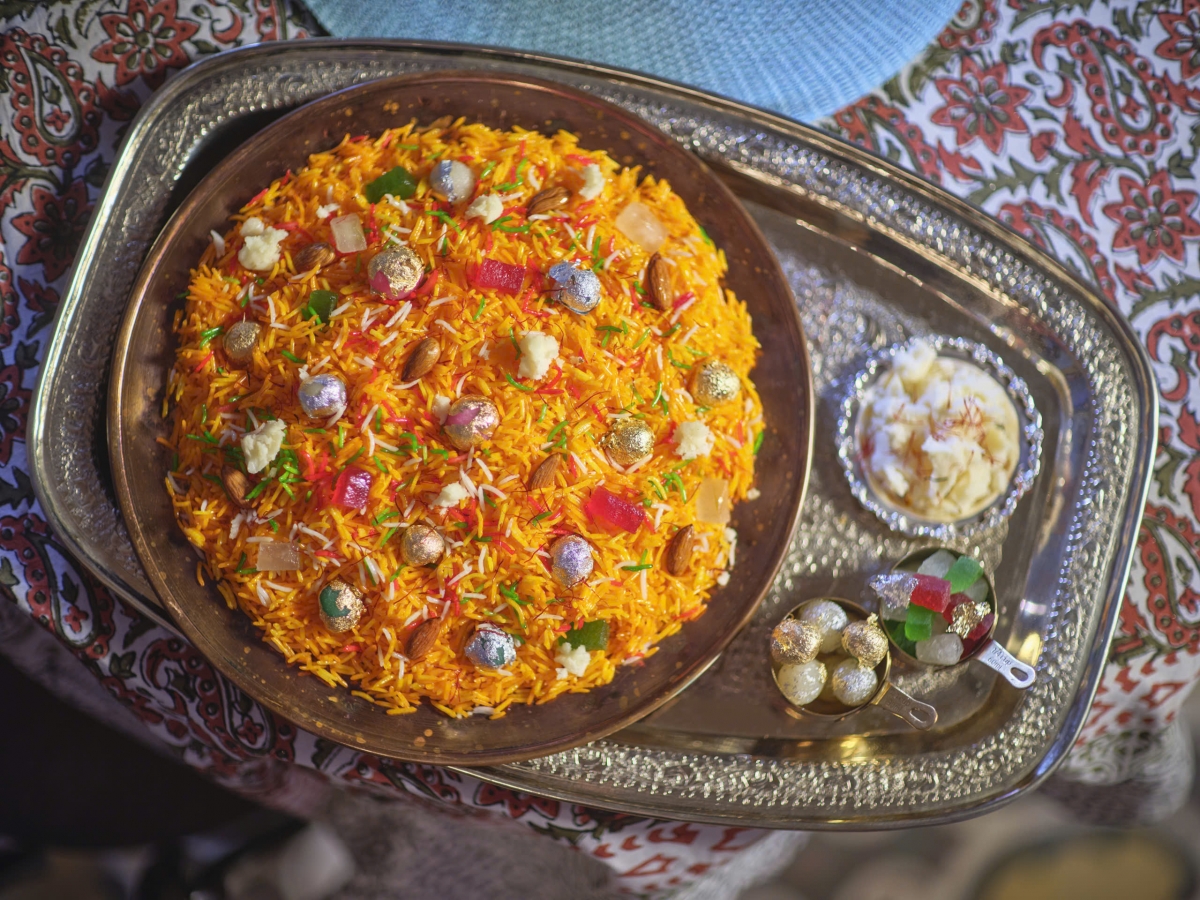
Reporter: If a Vietnamese traveler had only one meal to eat in Sindh, what should be on their plate?
Ambassador: I’d say start with Biryani, because that’s our staple dish and it's the most loved dish in Pakistan. There are whole restaurants dedicated just to Biryani and sometimes I wonder, "How much can you do with just rice?" But people find so many inventive ways of making rice and making variations of one dish. There's this place in Karachi called Student Biryani. Student Biryani is for students, so for college students, that’s their main place. The price is good and the quantity is a lot and the flavor is very good. It started catering for students but now it's very popular all around the country.
Reporter: Karachi is a famous melting pot. What’s the 'vibe' of the street food scene there?
Ambassador: With all the various cultures near Pakistan coming to Karachi, bringing their culinary traditions, you can consider it a melting pot of all of Pakistani culture. And being coastal, we have a very good seafood tradition as well. We have many fishing villages with lots of crab, shrimp, prawns, those sorts of things, lots of fishing. We have a tradition of going out on a ship at night, having dinner on the water, having very interesting recipes prepared for us, and then we come back in the early hours of the morning. That's what a lot of people do on weekends there. It's a tradition that's not as popular now as it was 20 or 30 years ago, but it’s still there. Now the culture is moving more toward urbanization as opposed to being coastal.
Reporter: This upcoming visit promises to be not just a tasting event, but a deep immersion into the heart of Sindhi identity. Thank you very much for visiting our studio and sharing some insights into Pakistani food.
Ambassador: Thank you very much. It was a pleasure to be here.
