





 Vietnamese
 中文
中文
 日本語
日本語
 한국어
한국어
 Français
 Русский
 Deutsch
 Español
 Bahasa Indonesia
 ไทย
ไทย
 ພາສາລາວ
 ខ្មែរ
ខ្មែរ


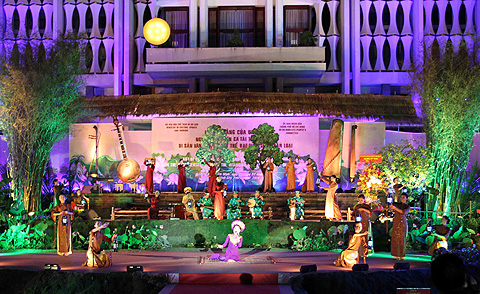
(VOVworld)- The first national festival of Don ca tai tu or southern improvisational traditional music is being held in Bac Lieu province. The festival reflects the vitality of this music genre, which was recognized by UNESCO as an intangible cultural heritage of humanity.
 |
Don ca tai tu, which originated from Hue royal court music and northern musical influences, has now become a typical cultural feature of the southern region. Associate Professor Doctor Nguyen Thi My Liem filed a dossier on Don ca tai tu to with UNESCO for recognition of the art as an intangible cultural heritage of humanity. She said that when they sing and play the original songs, southern people often improvise new tunes to inject their own emotion and soul into the songs. Gradually, these improvisations have created a music system which is more open and emotional and different from the original songs and tunes. Ms Liem told us:“Southern people have a very special talent in improvising songs and tunes, turning original short songs into longer songs. For example, 100 years ago, the famous song called Da co hoai lang (or Longing for one’s husband) was very simple and different from the song that we sing today. The improvisations of southern people have strongly marked Don ca tai tu songs and music strongly with the southern characteristics”.
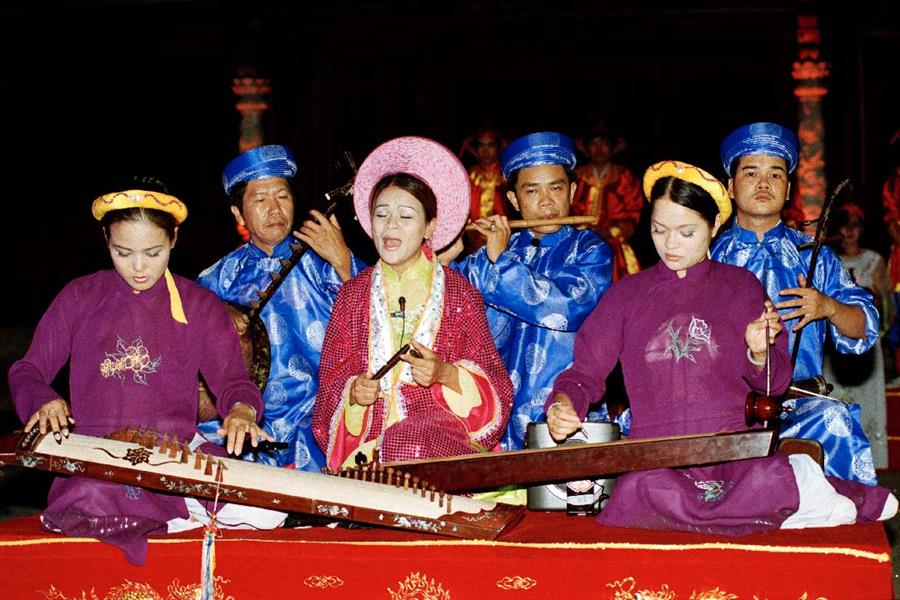
Wherever they are, southern people are always proud of Don ca tai tu. They say those tunes of their homeland are in their blood. When singers sing and play, audiences are inspired to sing and tap along. For southern people, Don ca tai tu is the only music genre that combines the elegance of chamber music and the popularity of contemporary music throughout the community.
 |
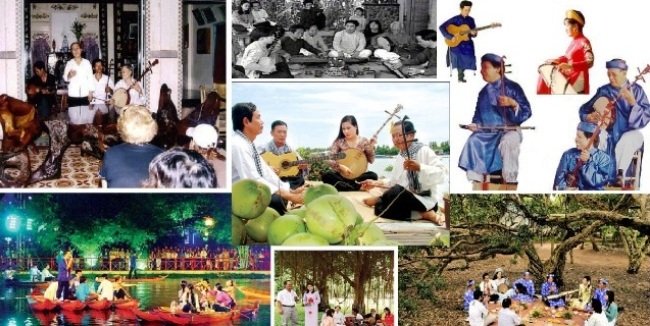 |
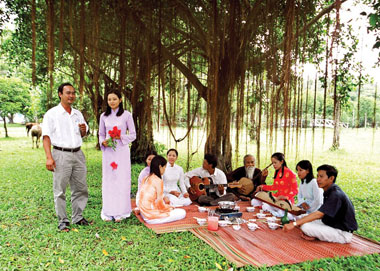
Don ca tai tu music is a unique asset of the people in 21 southern provinces, encompassing most of the Mekong River Delta. Its popularity has been growing since it became an intangible cultural heritage of humanity. Don ca tai tu lovers are now gathering in Bac Lieu city to learn more about the cultural values of this music genre and celebrate its renewed vitality in contemporary life.
