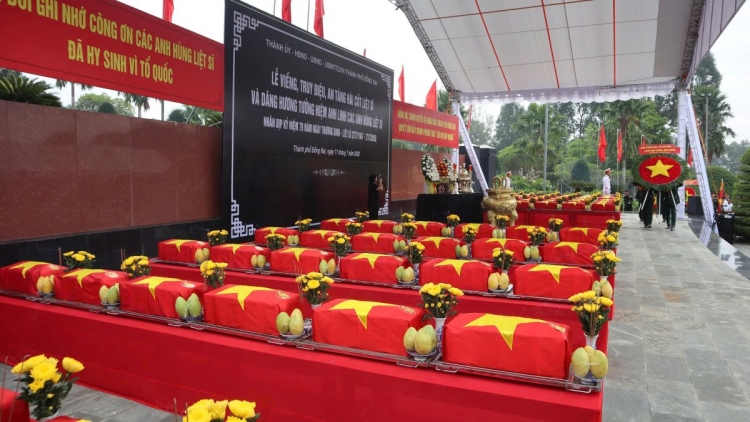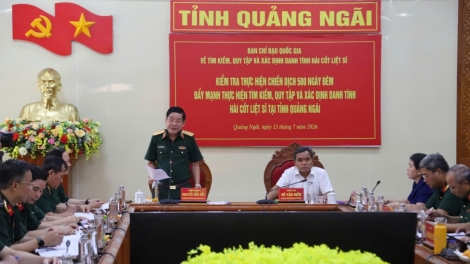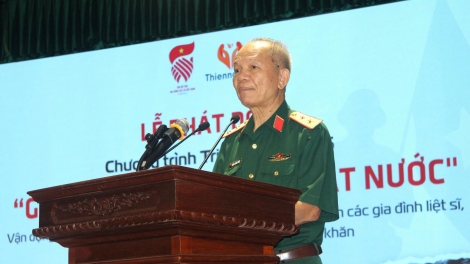




Half a century after the war ended, Vietnam still has 175,000 missing martyrs and 300,000 remains that have not yet been identified. With new scientific advances, the process of finding, recovering, and identifying fallen soldiers is improving.
As part of the campaign, DNA is being sampled at cemeteries throughout Vietnam. In Quang Tri, Team 584 of the provincial Military Command is collecting samples at the Road No. 9 National Martyrs' Cemetery, where more than 5,900 graves remain unidentified. Graves are exhumed, sampled, photographed, and digitized under a strict process for verification purposes.
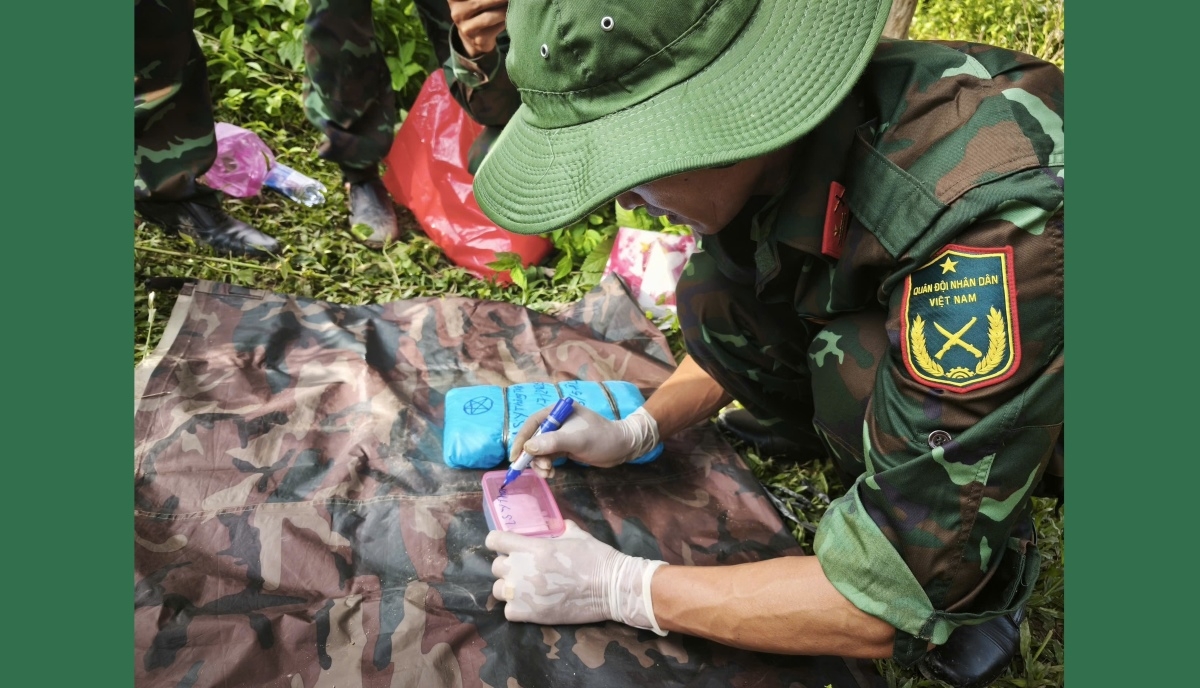
Lieutenant Colonel Ngo Thanh Liem, Captain of Team 584, said: “When each set of remains, each piece of information, and each DNA sample is collected and digitized for integration into the National Steering Committee's database, we feel encouraged to continue the mission of identifying fallen soldiers and returning their remains to their relatives.”
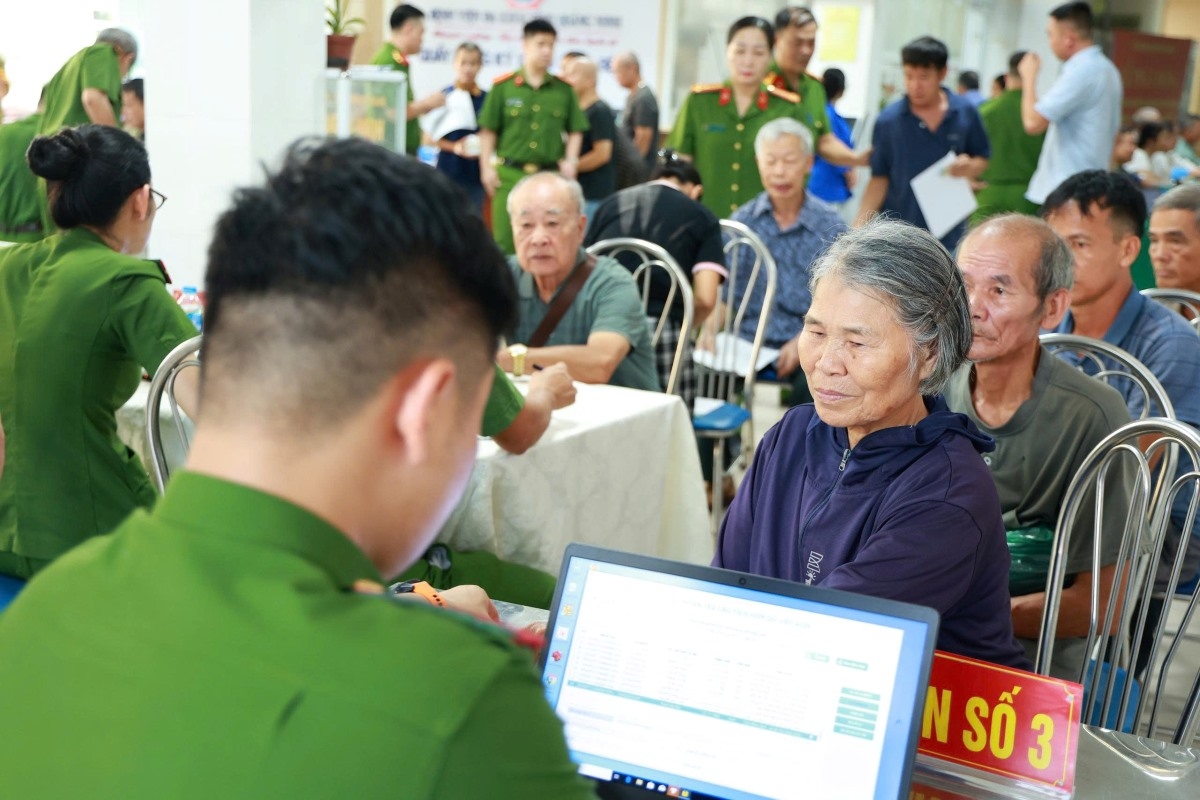
The national DNA database of martyrs' relatives is being developed simultaneously nationwide. In the first half of the year, the Ministry of Public Security analysed and uploaded 53,000 DNA data profiles of unidentified martyrs' relatives to the national database. Around 300,000 DNA samples from martyrs' relatives are expected to be collected this year.
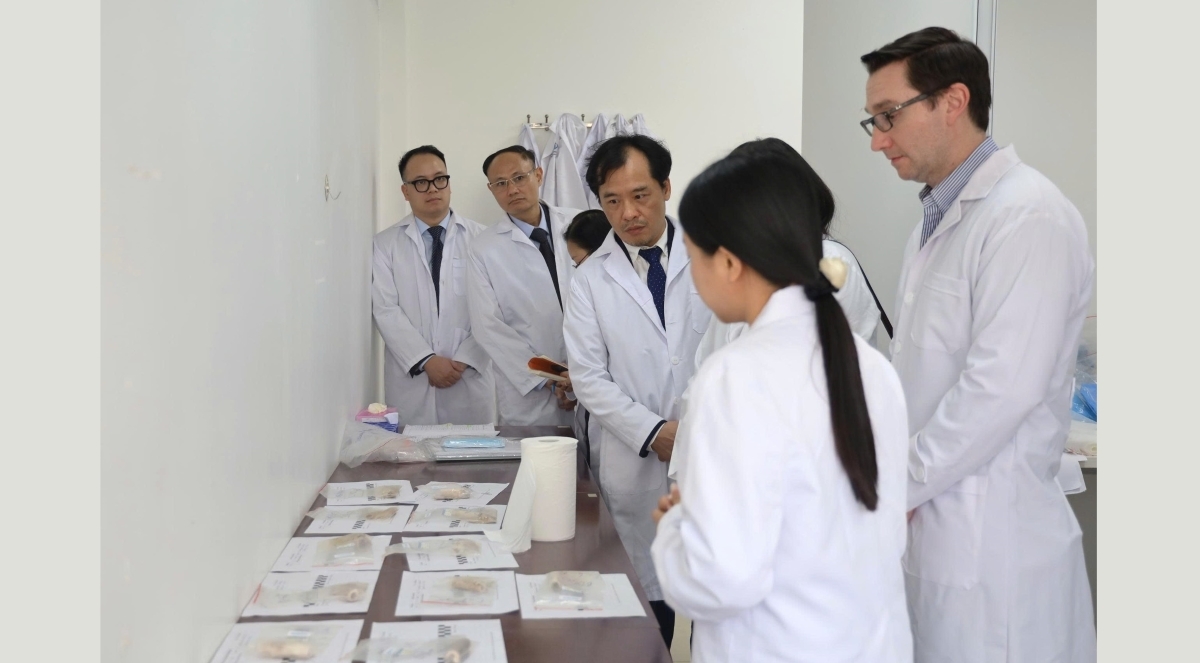
In addition to building a national database, next-generation DNA testing technology is being used to find new ways to identify martyrs' remains. The NGS-SNP DNA testing technology, trialed by the Vietnam Academy of Science and Technology since 2025, has yielded highly accurate results.
Dr Tran Trung Thanh of the DNA Identification Centre, Institute of Biotechnology, Vietnam Academy of Science and Technology (VAST), said: “NGS-SNP sequencing technology involves a series of processes applied to the nuclear genome. Its main advantage is that it expands the pool of relatives eligible for testing in both the maternal and paternal lines, reaching as far as the fourth or fifth generation of descendants. Crucially, this technology also allows for definitive conclusions to be drawn without requiring complete empirical data.”
Scientific advances are raising new hopes for finding missing martyrs.