



President Trump made the declaration just before the expiration of the 60-day deadline under the 1973 War Powers Resolution, which allows a US president to wage military action for a maximum 60 days before receiving Congressional approval.
A tactical move
In a letter to congressional leaders on May 1, Trump said military operations against Iran ended because of the ceasefire agreed to on April 7, not because of the 60-day deadline. But Democratic lawmakers say that claim is just a tactical move to ease legal pressure and extend the time Trump needs to exert pressure on Iran.
Katherine Yon Ebright, an expert at the US’s Brennan Center, said President Trump should have secured Congressional authorization before initiating the conflict. Exceeding the 60-day limit clearly renders the war unlawful.
Ebright said: “Not only does the ceasefire not stop the War Powers Resolution 60-day clock, but the administration has been undertaking hostilities or the threat of hostilities throughout the ceasefire period by implementing a blockade of Iranian ports. That in and of itself means that the War Powers Resolution clock, even under the administration's own theory, shouldn't have paused or terminated.”
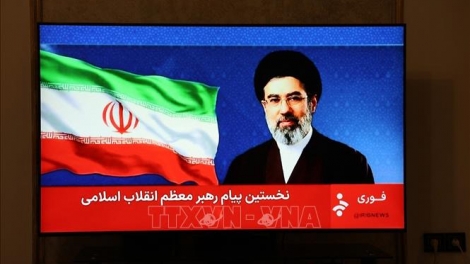
Observers say that assuming the Middle East conflict has ended, as claimed by President Trump, is overly optimistic. It’s unconvincing to say that terminating hostilities ensures a rapid agreement between the parties. On May 3, Iran said the US had formally replied to its 14-point proposal to end the conflict, which is focused on ending what Iran describes as US-Israeli aggression and broader regional tensions. Iran emphasized that its proposal contains no reference to its nuclear program.
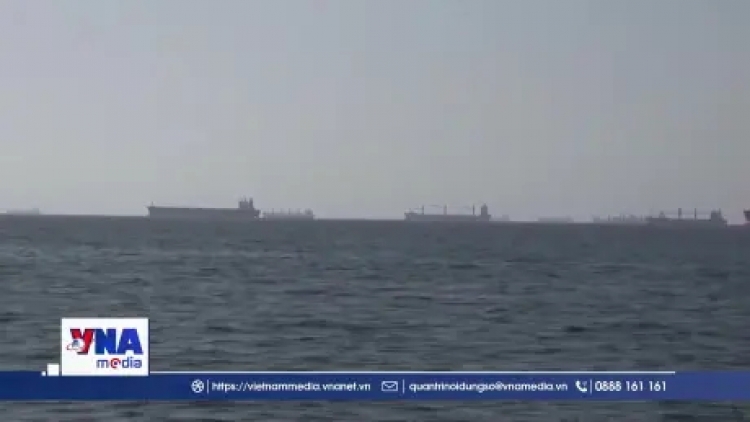
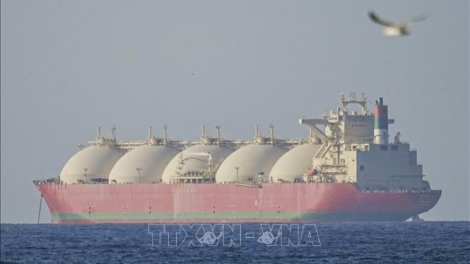
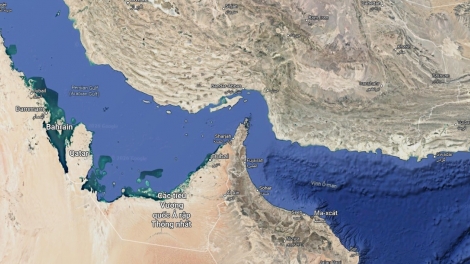
President Trump said in his post that “very positive discussions” were underway with Iran but added that “Iran has not paid a high enough price.” He also announced plans to deploy the US Navy to guide commercial ships through the Strait of Hormuz starting Monday.
US Central Command has mobilized a large force for the operation, including guided-missile destroyers, more than 100 aircraft, unmanned systems, and around 15,000 troops. Observers see these moves as preparations for a new round of escalation rather than ending the conflict.
Risky strategies
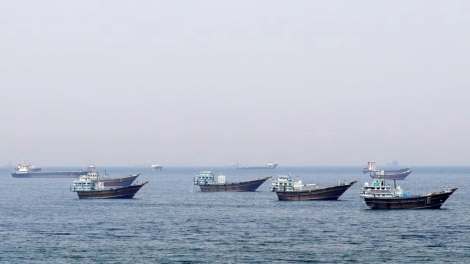
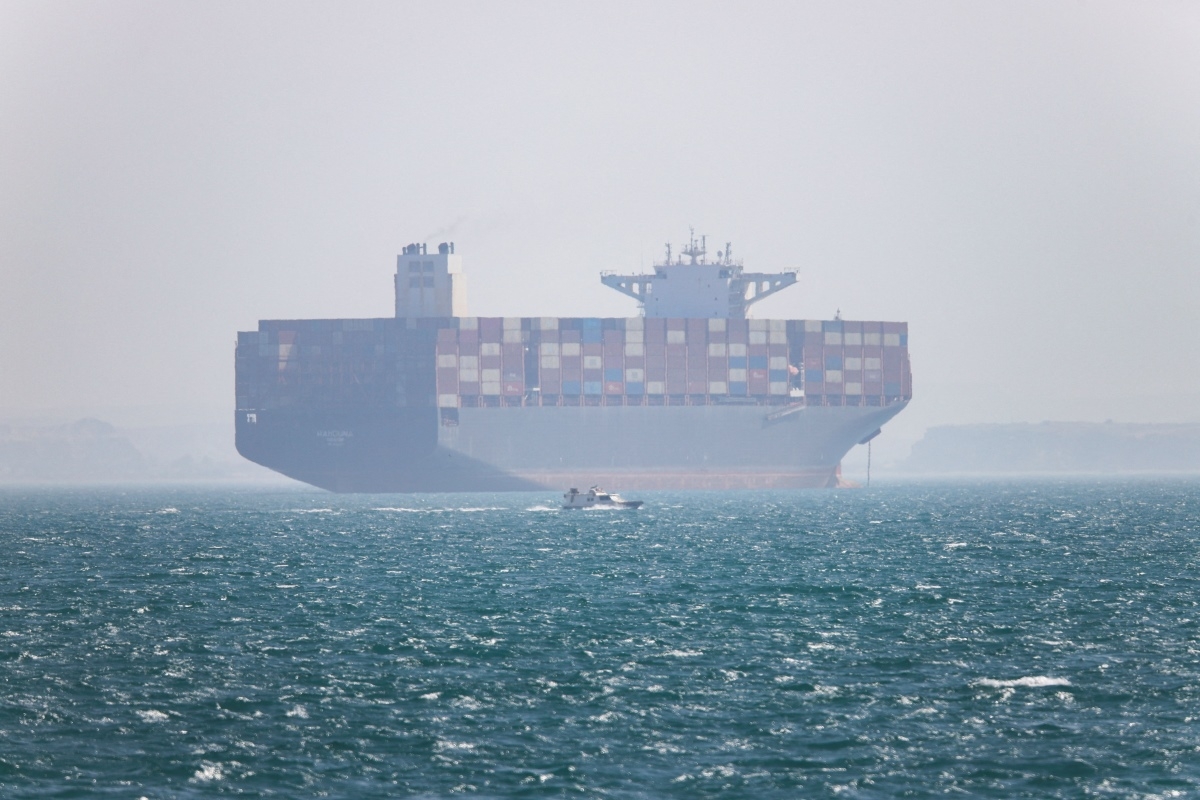
Incidents occurred Monday on the first day of the US Navy escorting ships through the blockaded strait. Iran said its missiles had hit at least one US warship, while the US said it had destroyed several Iranian armed speedboats. A South Korean cargo vessel was attacked and caught fire in the Gulf. Iran also launched missile and drone strikes on the Fujairah industrial zone in the United Arab Emirates, saying US actions had triggered the attack.
Sanam Vakil, Director of the Middle East Program at Chatham House of the UK, said the US and Iran are testing each other’s tolerance for losses to gain leverage in negotiations. The Trump administration believes its economic blockade will suffocate Iran and force concessions. Iran is confident its control of the Strait of Hormuz and its ability to disrupt regional energy infrastructure will pressure the global economy enough to force the US to de-escalate.
“I think they have calculated a longer runway than Western economists or policymakers are anticipating. They're relying on people using their savings. That's how people have been getting by over the past number of years, and specifically since the war broke out,” Vakil said, adding these strategies carry significant risks for both sides.
"For Iran, the risk is economic collapse due to the sanctions and blockades. For the US, it’s the possibility of getting bogged down in the conflict, and the impact of rising prices. Even if Washington’s strategy succeeds, its success may come too late for the Trump administration."
Joshua Landis, Director of the Center for Middle East Studies at the University of Oklahoma, said: “The stock market is at an all-time high, and America's growth has not stumbled. That's largely due to artificial intelligence and the surge of investment in this new industry. At the same time, the average American who is not in the stock market - and that’s over 50% of Americans - is struggling. Grocery prices are much higher, and of course gasoline at the pump is higher. All this is going to have an increasing effect.”
Global markets are already experiencing strong volatility. Brent crude for July delivery has surged 5.8% to 114 USD per barrel, and US West Texas Intermediate (WTI) crude has risen 4.4% to 106 USD per barrel.