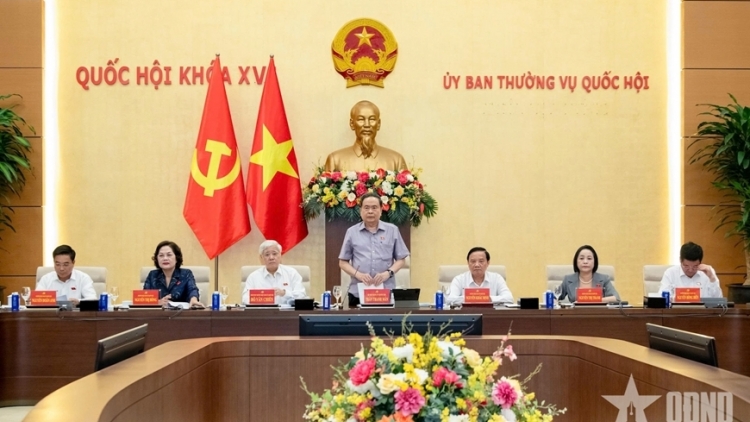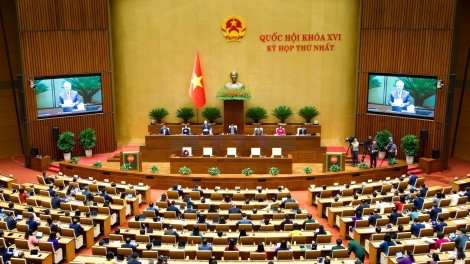




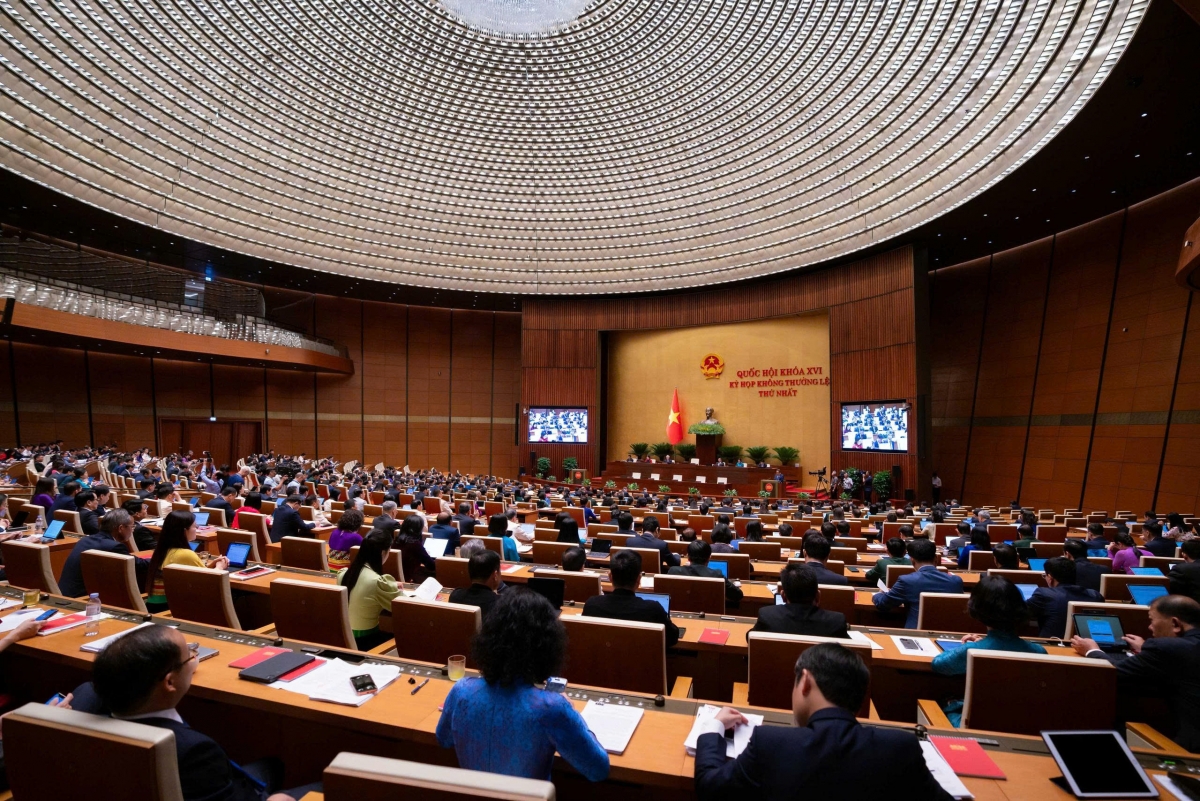
High on the agenda of the extraordinary session, which opened on Monday, are 33 items reflecting both the National Assembly’s extensive legislative workload and the urgency of strengthening institutions to address existing challenges while laying a solid legal foundation for Vietnam’s next stage of development.
Removing institutional bottlenecks
The session comes as Vietnam strives to sustain double-digit economic growth in 2026 and beyond. Achieving this goal will require not only investment, infrastructure, and advances in science and technology, but also the swift translation of Party guidelines into practical and enforceable laws.
Accordingly, lawmakers are reviewing multiple measures that directly affect the investment climate, infrastructure development, administrative reform, restructuring of the state apparatus, and implementation of Vietnam’s new three-tier government model.
The session will amend key laws and approve major national projects, which underscores the determination to accelerate the institutionalization of strategic policies so they can quickly become a legal basis for development.
National Assembly Chairman Tran Thanh Man said: "Our primary tasks at this session are lawmaking and deciding important national issues. We are determined to be proactive and decisive so that Party guidelines are institutionalized and implemented without delay, meeting the expectations of the people and businesses and ensuring Vietnam does not miss valuable development opportunities. The National Assembly, Government, ministries, sectors, and localities are also accelerating the implementation of Politburo Conclusion 17 and the legislative orientation of the 16th National Assembly, ensuring its quality and timely progress.”
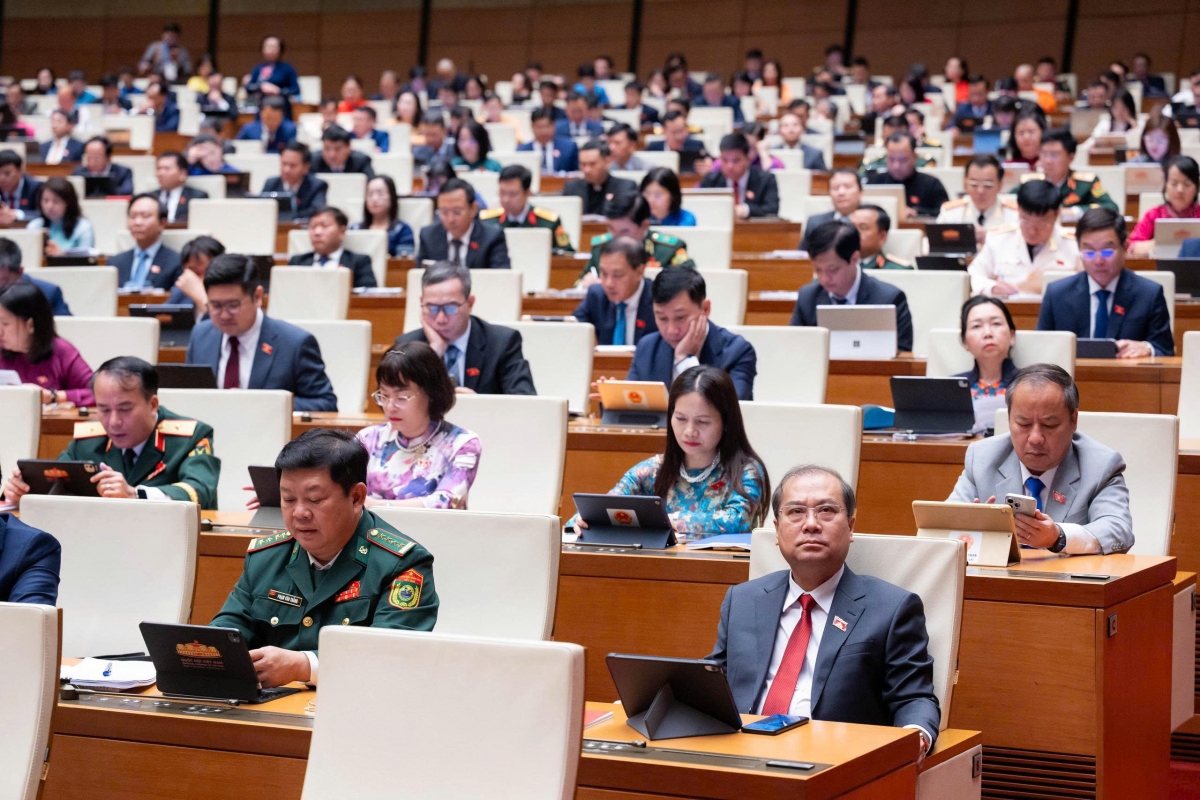
The National Assembly is shortening the time needed to transform mature policy proposals into law, preventing legal gaps from hindering growth opportunities.
Nguyen Truong Giang, Deputy Chairman of the National Assembly's Committee for Legal and Judicial Affairs, said: “All draft laws and resolutions submitted by the Government have been carefully prepared and address urgent national priorities. This extraordinary session responds directly to the demands of society, state governance, and the nation’s socio-economic development."
Building institutions for sustainable growth
Lawmakers have set a broader objective than simply passing legislation quickly – to improve the quality and effectiveness of every legislative decision.
NA Chairman Man said a law is meaningful only if it resolves real-world challenges and can be effectively implemented as soon as it takes effect.
“The National Assembly agencies and deputies need to adopt a stronger innovation mindset in lawmaking to ensure that policies and legislation are firmly grounded in reality, anticipate future development needs, and place people and businesses at the center. The effectiveness of our legal system should be the benchmark for legislative performance. We must establish a sound legal framework capable of addressing urgent issues arising in practice while enhancing the responsibility of every institution and leader involved in drafting, reviewing, and promulgating laws and policies,” said Mr. Man.
The call for a renewed legislative mindset reflects a shift from the number of laws passed to the quality of legislation and its impact. This requires every bill to be thoroughly prepared, supported by comprehensive impact assessments, and closely aligned with practical needs from the earliest stages of policy design.