


In addition to preserving peace and stability, diplomacy must move one step ahead by identifying opportunities and turning them into resources for national development. This represents a transformation in Vietnam's diplomacy.
From responding to proactively creating opportunities
During 40 years of renewal, Vietnam has built a network of relations with more than 40 partners at various levels, deeply integrated into new-generation free trade agreements, and has steadily enhanced its standing in multilateral mechanisms. This network has enabled Vietnam to gain high-quality investment, advanced technologies, skilled human resources, new markets, and a higher position in global value chains.
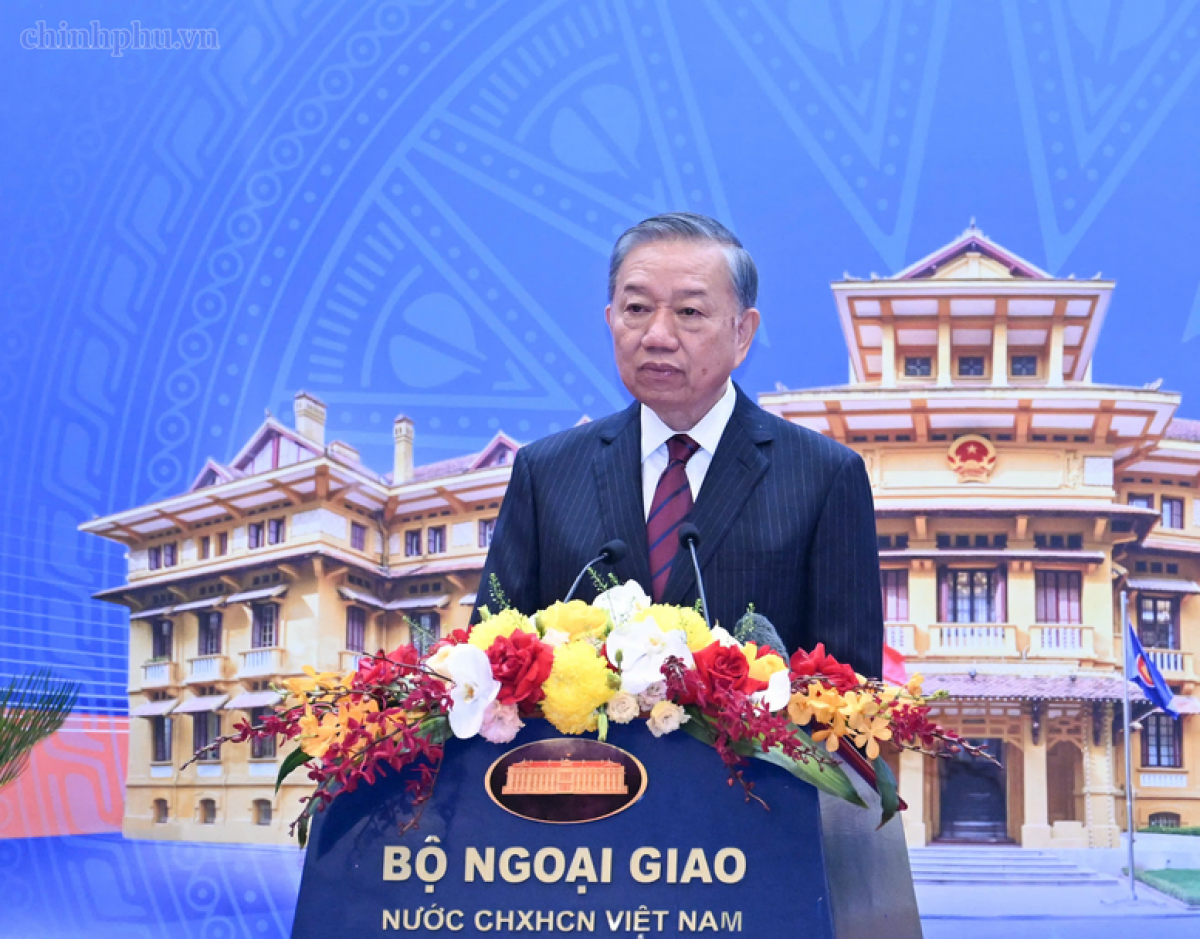
Party General Secretary and State President To Lam called for a renewal of diplomatic thinking. "We must view the world accurately, understand our country clearly, and correctly identify our interests and capabilities. We must recognise opportunities at an early stage and turn them into results. We cannot just wait for favourable conditions, nor act after situations arise. We must expand cooperation and strengthen strategic autonomy, internal strength, and resilience. Foreign affairs must play a pioneering role in identifying developments early, providing sound advice, and taking timely action, contributing to safeguarding the nation from an early stage; paving the way, building connections, and mobilising resources for development."
Ambassador and former Deputy Foreign Minister Pham Quang Vinh said Vietnam has advantages to turn this new mindset into reality. "Vietnam is in a favourable position to seize opportunities and respond to challenges. We have adopted a number of resolutions on national development, with a vision to 2030 and 2045. We have established relations with many key countries, including our leading partners and neighbouring countries. After more than four decades of global integration, Vietnam has become deeply connected to global supply chains that support its development. We have built a strong position through our participation in numerous international agreements."
These strengths can drive growth if foreign affairs create tangible value for localities and businesses through investment promotion, innovation, resource mobilization, and high-value international cooperation.
Nguyen Dong Trung, Deputy Director of the Department of Foreign Affairs and Cultural Diplomacy under the Ministry of Foreign Affairs, said: "Our guiding principles are to put results at the centre, use tangible outcomes to measure success, place localities at the center of our service, and make innovation our action mode. We are implementing investment promotion and connectivity activities focused on technology and knowledge-based sectors, mobilising high-quality capital, developing innovation centres, and participating in high value-added global cooperation networks based on the needs of localities and the strengths of each partner."
Development outcomes is the measure
In the past, diplomatic success was largely measured by the establishment or upgrading of cooperation frameworks. Today, the benchmark must be their concrete contribution to national development. Party General Secretary and State President To Lam said: "We integrate deeply without becoming dependent, open up while preserving strategic autonomy, and absorb the best of the world to enrich Vietnam's identity and strength. Every established or upgraded partnership must be translated into action programmes with measurable outcomes. In every relationship, we must value trust, sincerity, and long-term interests and properly manage differences so that a single issue cannot undermine the overall relationship. The effectiveness of a partnership should be measured by sustainable peace, safeguarded national interests, expanded markets, new projects, and upgraded technology and human resources, and people benefit."
In an increasingly volatile world, the advantage will belong to those countries that can identify opportunities early and act promptly. For Vietnam, renewing foreign affairs thinking means generating new resources for national development. Every cooperation framework should be translated into projects, technologies, investment flows, market expansion, and tangible benefits for the people. Foreign affairs should become a pioneering force, helping realise the national goal of rapid and sustainable growth in the new era.