




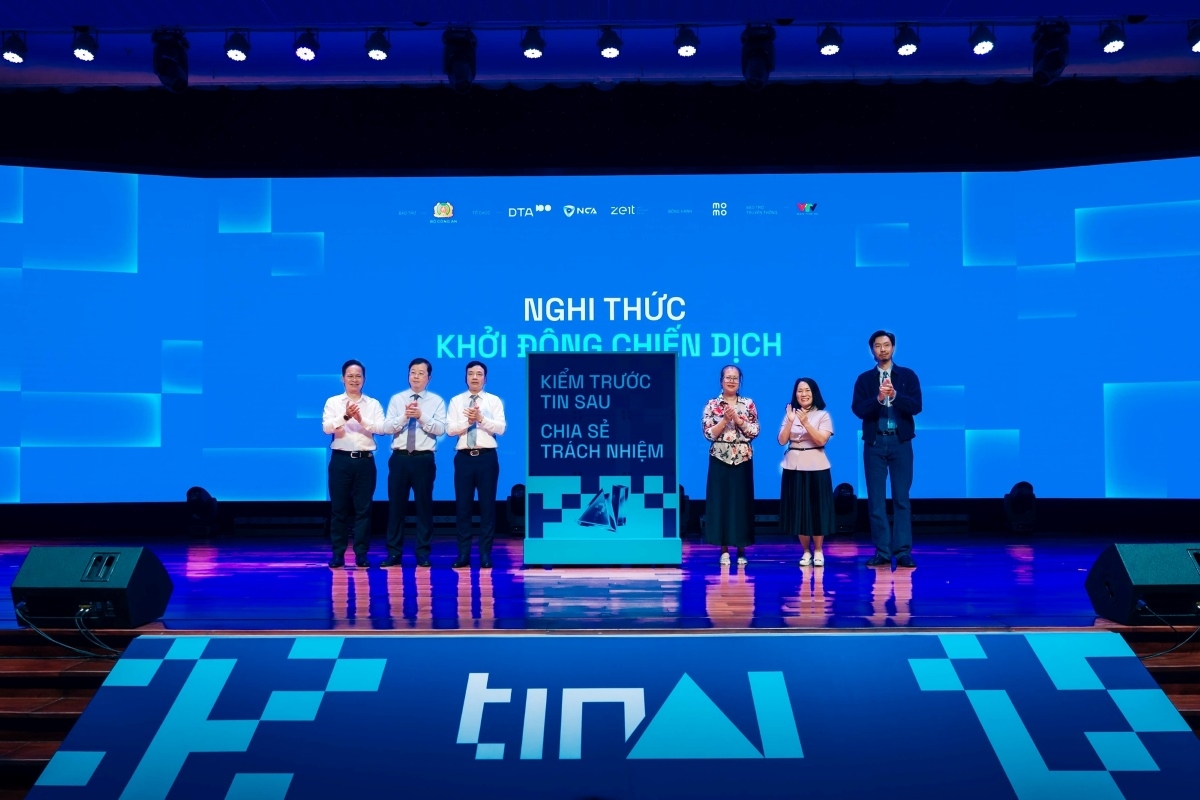
Artificial Intelligent is transforming the way people create, access, and share information. While AI presents significant opportunities for socio-economic development, it also makes it easier to create sophisticated fake images, videos, voices, and other fabricated content. Cybersecurity is no longer limited to safeguarding information systems, data, and digital infrastructure. It now includes preserving cognitive security, human security, and public trust in the reliability of information.
The "Trust AI?" campaign carries the message "Verify before you trust", fostering a new habit of taking the time to verify the source, context, and authenticity of online content before believing, sharing, or making decisions based on its information.
Lieutenant General Le Xuan Minh, Director of the Department of Cyber Security and High-Tech Crime Prevention of the Ministry of Public Security, said: "No matter how advanced technology may become, it can never completely replace human judgement. No tool can verify every piece of information on our behalf, and no authority can keep pace with the millions of new pieces of content generated and shared every second."
"The most fundamental solution is to build a habit of verification throughout society. Whenever people encounter information, they must actively check the source, compare data, and think carefully before believing it and sharing it. This is an essential civic skill in the digital age."
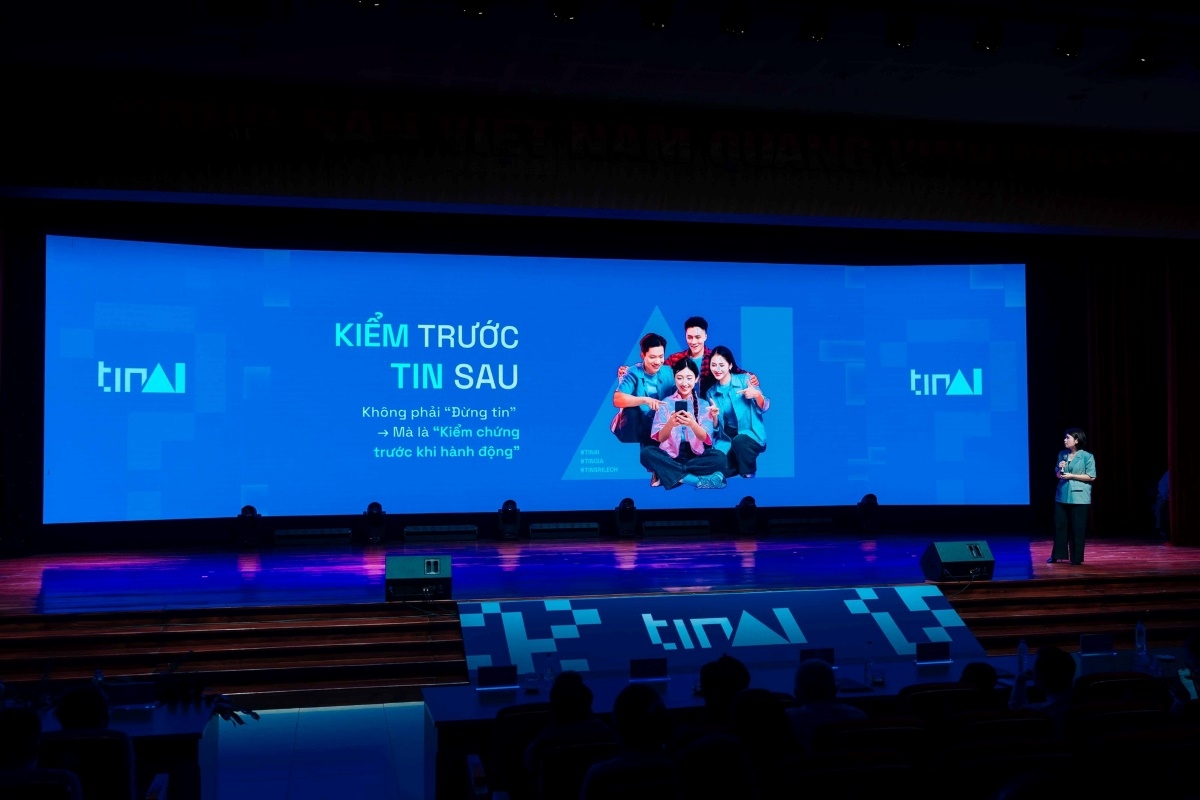
The "Trust AI?" campaign calls on all of society to work together to create a transparent, safe, and trustworthy information environment. Assoc. Prof. Dr. Le Anh Son, Director of Innovation at Phenikaa University, said: "AI is never 100% accurate. Every answer should be supported by cited sources. And there must always be human beings taking ultimate responsibility for verifying the information."
The campaign will roll out a wide range of content, including videos, infographics, and fact-checking bulletins, across traditional media, social media, and digital platforms. It will also work with local authorities, educational institutions, tech companies, digital platforms, and social organisations to encourage everyone to jointly build a healthier, safer, and more trustworthy cyberspace.