


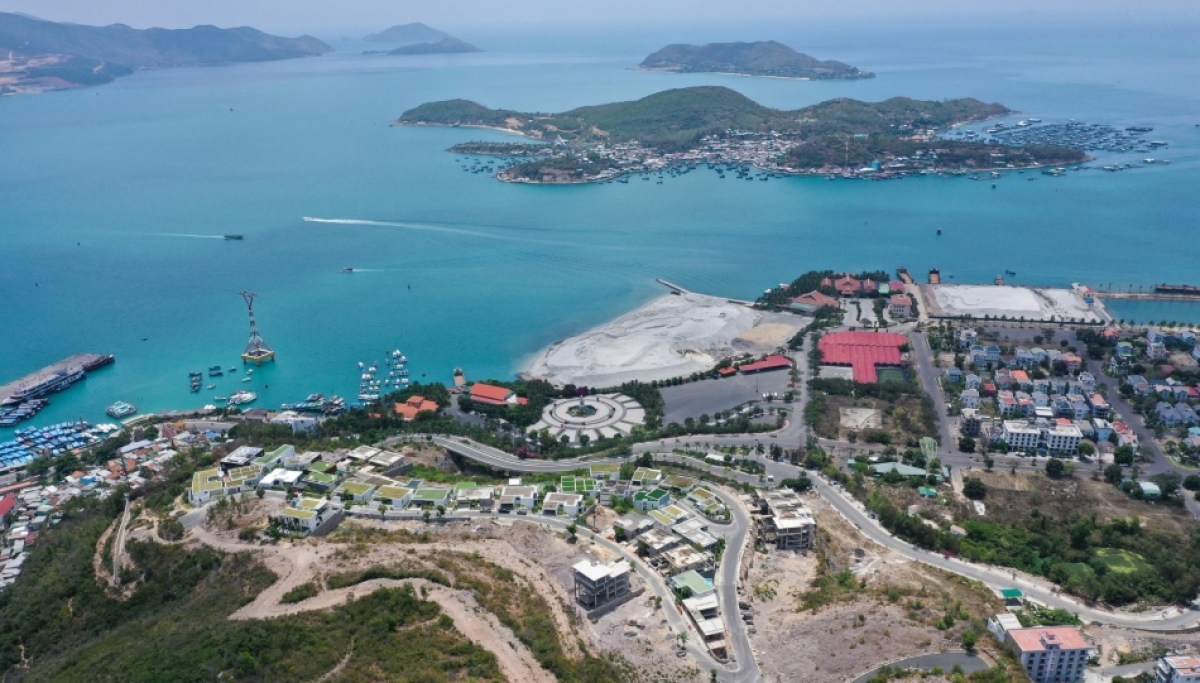
The Resolution regards the sea not just as a resource, but a space for national survival, economic growth, innovation, defence and security, and international cooperation.
A shift in mindset to unlock new development opportunities
The most significant feature of the Resolution is its shift from developing the marine economy to building a maritime nation. While Resolution No. 36, adopted in 2018, focused on the sustainable development of marine economic sectors, the new Resolution broadens the approach to the national strategic level. Maritime space is viewed as an integrated whole, with every development policy serving national development, protecting national sovereignty, and enhancing Vietnam's international standing.
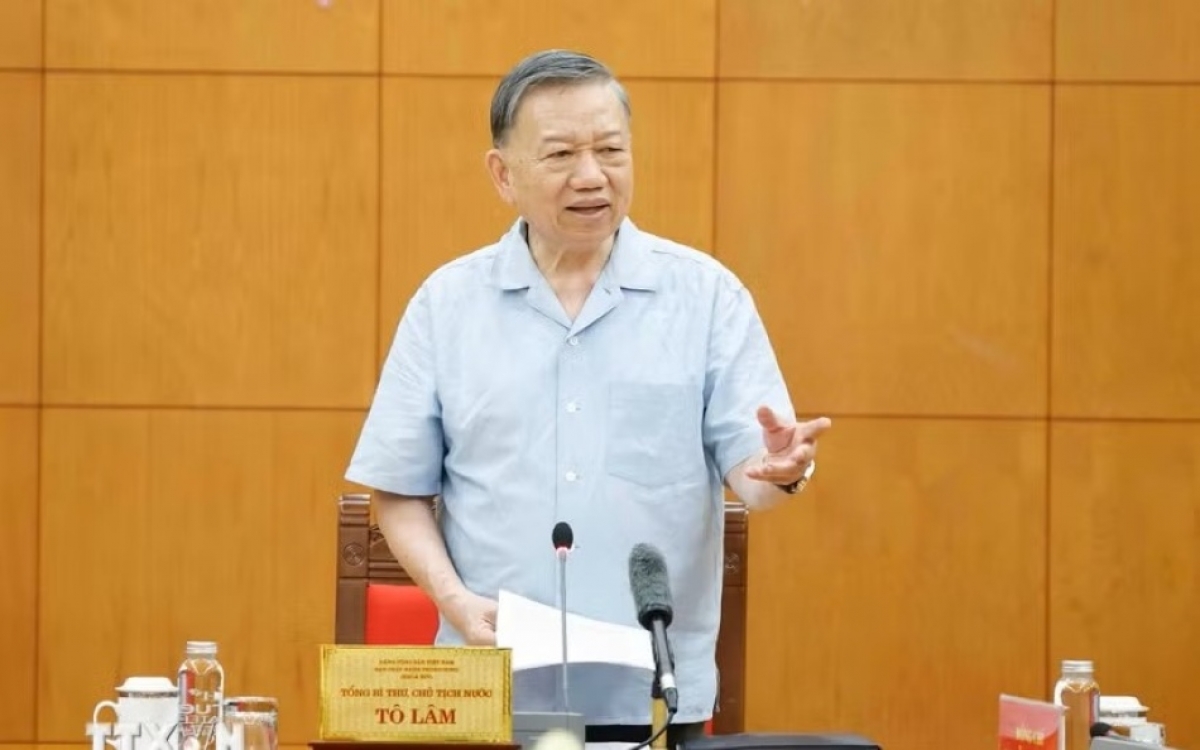
Party General Secretary and State President To Lam said: “The new Resolution does not merely answer the question of how to develop marine economic sectors. It addresses the broader question of how Vietnam will utilise, govern, and maximize the full potential of its maritime space to serve national development in the coming decades. Every strategic planning and marine development program must contribute to safeguarding national sovereignty, sovereign rights, and jurisdiction; maintaining a peaceful and stable environment; strengthening defense capabilities; and protecting national interests at sea. Every economic project at sea must enhance the country's defense capacity.”
The Resolution goes beyond setting development targets for marine industries. It requires building comprehensive governance capacity for all national waters. A sea area should serve multiple purposes – seaports, logistics, renewable energy, high-tech offshore aquaculture, ecosystem conservation, and national defense and security.
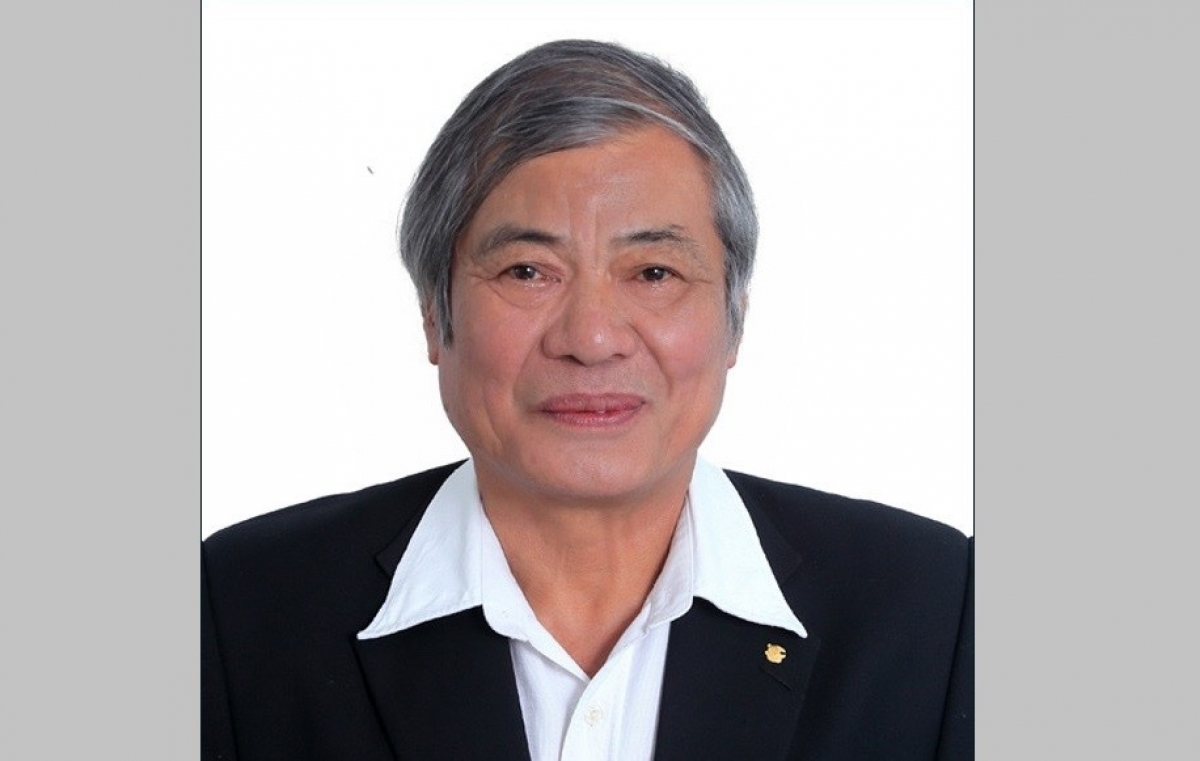
Associate Professor, Doctor Vo Si Tuan, Vice President of the Vietnam Mariculture Association and former Director of the Institute of Oceanography, said: “The Resolution mentions many aspects of developing a strong maritime nation. An overarching concept that I believe is particularly important is integrated governance and connectivity across maritime space. As we move further out to sea, we cannot continue thinking like farmers who cultivate only their own plots of land. The sea is a shared space where all sectors must work together to maximixe the interests of society as a whole. A marine area can serve multiple purposes, depending on its socio-economic and ecological characteristics.”
This approach has been adopted by many successful maritime nations, such as the Netherlands, Norway, Singapore, and the Republic of Korea. Their success has not come from possessing more natural resources, but from modern governance, science and technology, and the development of high-value marine industries.
For Vietnam, this approach opens up new opportunities for growth. International seaport hubs, free trade zones, offshore wind power, the digital economy, logistics and high-tech offshore aquaculture can generate new drivers for growth and strengthen the economy’s long-term competitiveness.
Development strengthens national power
The Resolution views national development and national defense as mutually reinforcing. Every economic project at sea should contribute to strengthening national defense capabilities. In return, a peaceful, stable and secure maritime environment is essential for attracting investment, promoting trade, and achieving sustainable development. Vietnam seeks to become a strong maritime nation, not through rivalry or confrontation, but through effective governance, scientific and technological advancement, green economic development and international cooperation.
This message is especially significant at a time when trans-border challenges like climate change, marine pollution, declining fish stocks, and maritime security can’t be addressed by an individual country.
“International cooperation is indispensable in managing maritime issues. Transborder challenges require international solutions. Vietnam should actively and confidently contribute to international initiatives and share resources and information with other countries. Vietnam will work with other countries to address economic challenges, climate change issues, and use East Sea resources sustainably and effectively,” Dr. Tuan said.
The Resolution on "Building and developing Vietnam into a strong maritime nation" affirms Vietnam's strategic vision to develop a modern marine economy, safeguard national sovereignty, promote sustainable governance, and strengthen international cooperation for peace and shared prosperity.