







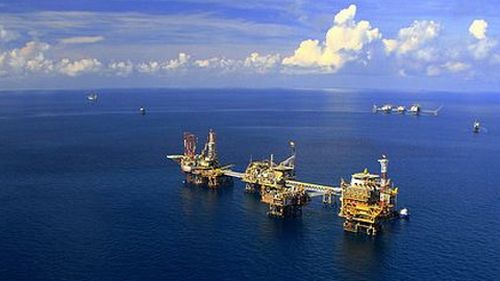
(VOVworld) - Vietnam now considers energy a spearhead economic sector in realizing its Millennium Development Goals, industrialization, and modernization, and Latin America is seen as a potential region for energy development. A seminar on the Vietnam-Latin America Partnership in Agriculture and Energy, part of the ongoing Vietnam-Latin America Trade and Investment Forum is a chance for strategists to work out plans for energy development to match their potentials. VOV’s reporter Le Phuong reports:
 |
Beyond oil and gas exploitation, Latin American countries are investing heavily in renewable energies. In the past few years, Latin America’s achievements in renewable energies have increased the region’s impact on global financial institutions and mechanisms. Brazil is now a leader in hydropower production, while Argentina, Mexico, and Costa Rica are engaged in projects of great development potential. With favorable geographical and terrain conditions, Vietnam is seen to have a great potential for developing renewable energies like wind and solar power, so it is an attractive investment place for Latin American enterprises in the renewable energy sector. Juan Jose Aguero is the Regional Manager of Argentina’s IMPSA group, one of Latin America’s biggest investors in renewable energy: "We want to duplicate the model that we’ve succeeded in Brazil, the wind farm in this country. The reason why we chose Vietnam is for its economic growth and demand for electricity. But more importantly, Vietnam has the most potential for wind power development in Southeast Asia".
Vietnam’s Deputy Minister of Industry and Trade, Tran Tuan Anh, has pointed out some recent measures to promote cooperation with Latin America in the energy sector: "Vietnam’s Ministry of Industry and Trade is committed to supporting and creating the best possible conditions for Vietnam-Latin America cooperation in oil and gas, in line with Vietnam’s laws and international economic integration policies. With Government support and the dynamism of our enterprises, this cooperation will continue to develop in the 21st century".


