



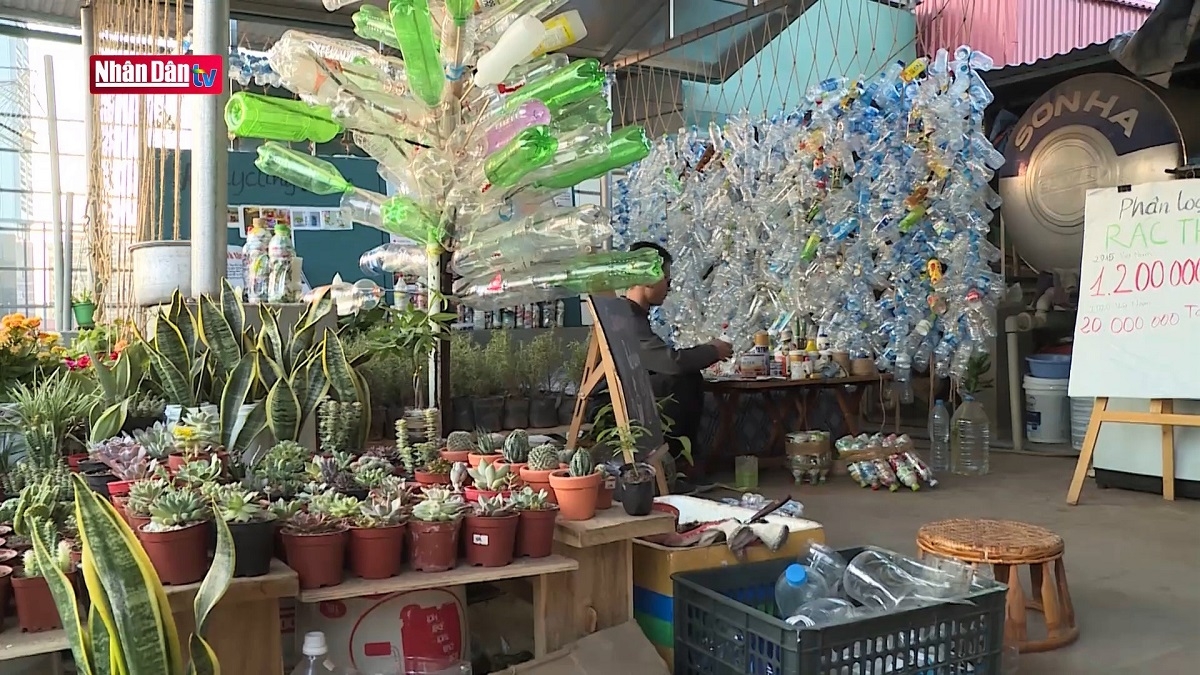
What do you do with single-use plastic: throw it away or turn it into something useful?
"I try to sort what can be reused, but when I’m in a hurry, I just throw everything away," said a Hanoi resident.
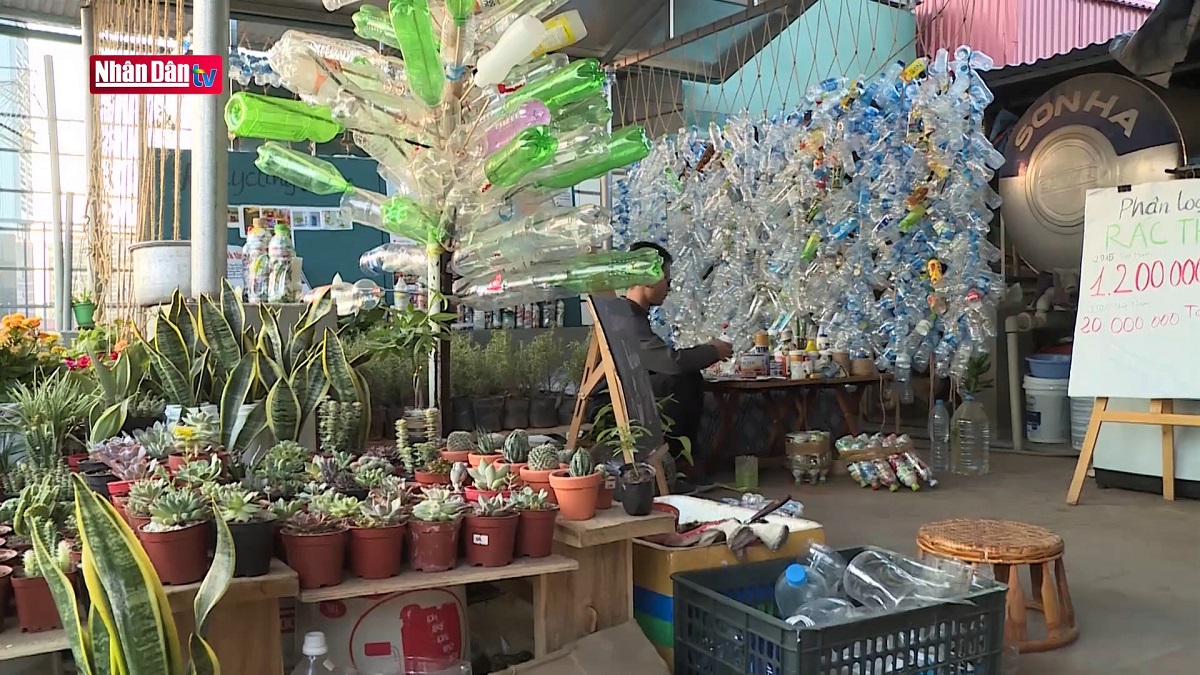
Instead of throwing away plastic and other recyclables, people are encouraged to exchange them for plants or eco-friendly gifts. The idea comes from the Ecohouse Recycling Station in Hanoi, founded by Tuong Anh, who hopes that small actions can be multiplied, helping to build green habits.
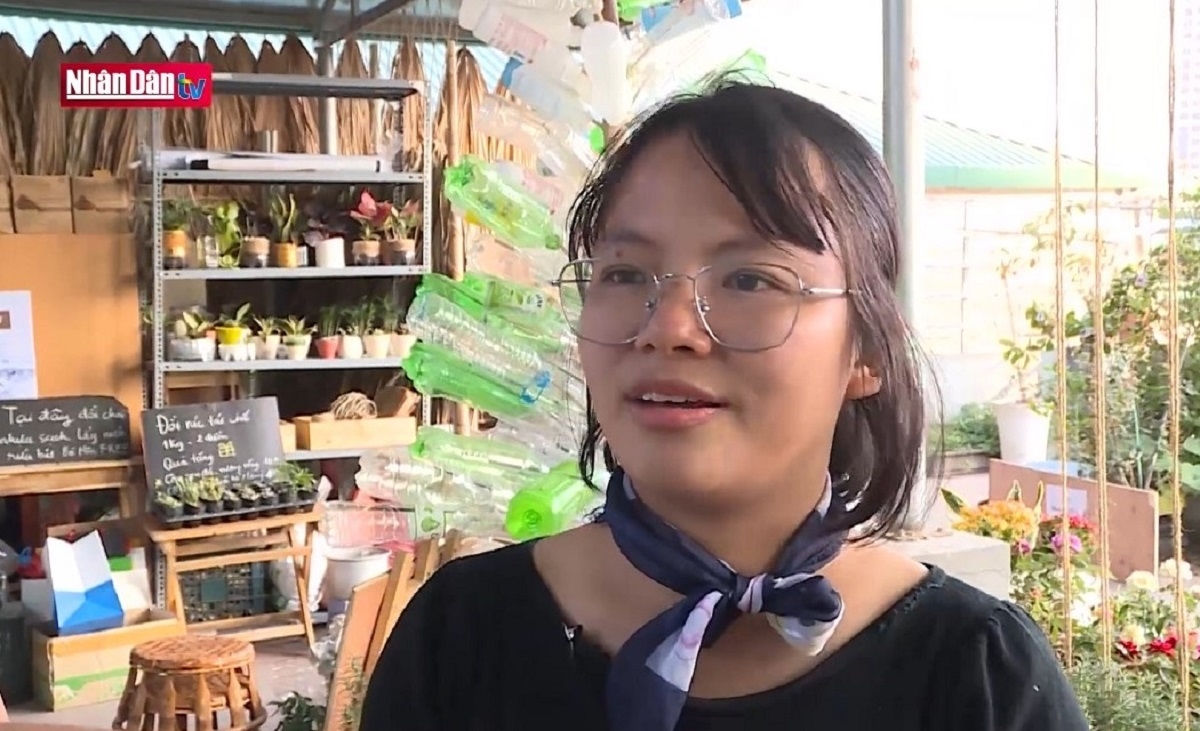
Tuong Anh said she wanted to create a place to promote a greener lifestyle and reduce plastic waste. That’s how the ‘Recycling Station’ started. It’s rewarding to collect items that might be thrown away and exchange them for useful gifts like herbs or seedlings, she said.
Since the waste-for-plants and gift exchange program began, Hang Nga has changed her habits. Instead of throwing everything away, she now sorts and keeps items that can be exchanged for plants. Plastic waste takes a long time to break down, Nga said, adding that she looked online for solutions and learned about recycling and reuse, making reusable items from waste. That’s why she came here.
The Green Da Nang Station, on the other hand, attracts many residents by encouraging waste contributors to earn “green points” based on how much they bring. These points can be exchanged for plants, seeds, or recycled items. Over six years, the station has collected and processed more than five tons of household waste.
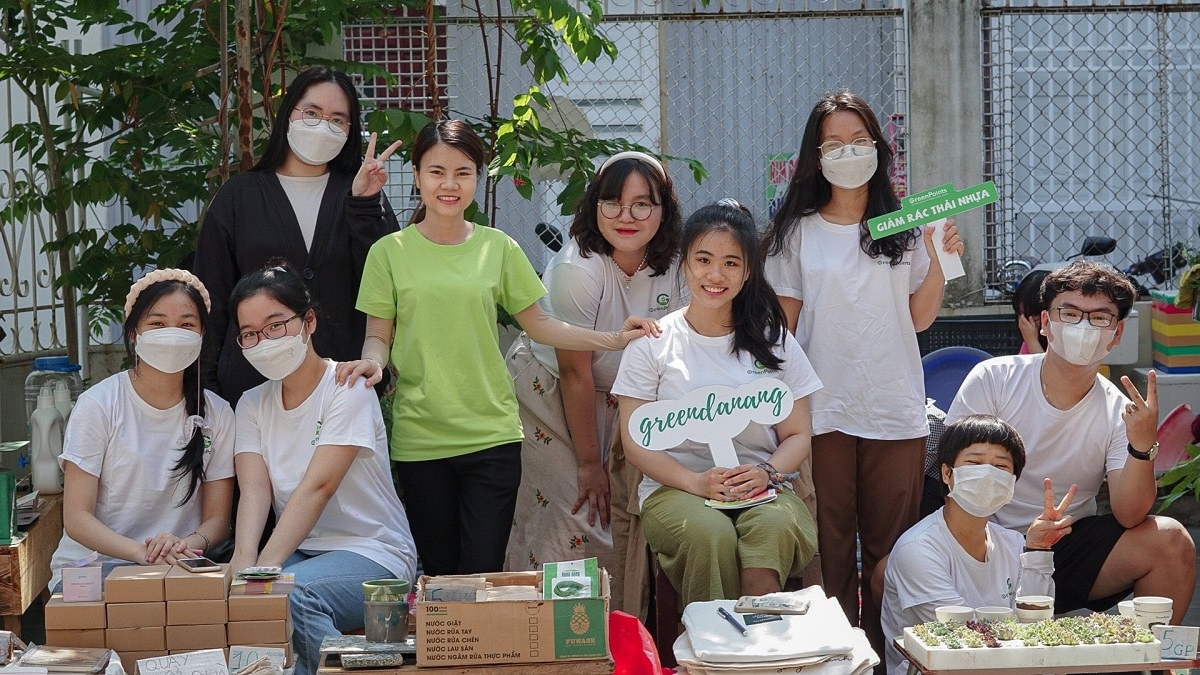
Green Da Nang was founded by Le Thi Phuong Thao to raise awareness and protect the environment. It has grown from a small group to 26 active volunteers. They use the Greenpoint app, Thao said. People coming to Green Da Nang can bring waste, earn points, and exchange them for gifts.
Nguyen Ha, a local, said she exchanged 700 marbles for plants, adding it helps reduce pollution and protect the environment.
If they don’t want gifts, participants can use their points to support community projects, such as building free bookcases for schools. Many young people are also involved in recycling and environmental protection through research and study.
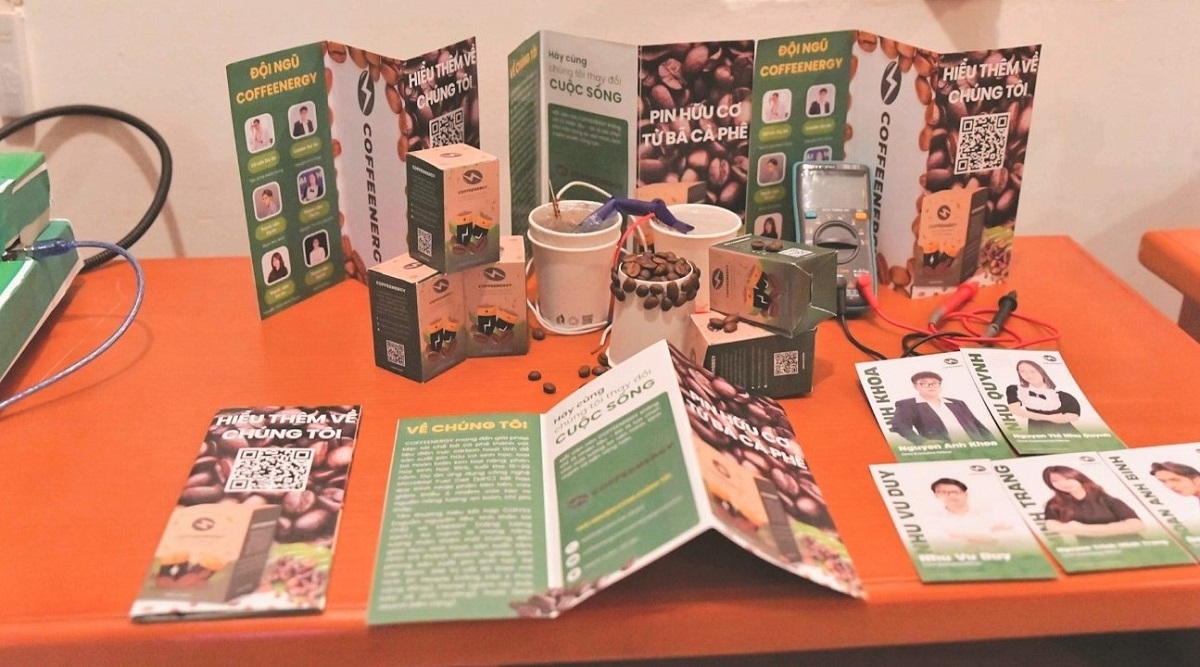
A group of students from the International School at Vietnam National University Hanoi, is collecting coffee grounds to develop bio-organic batteries. Project member Nguyen Minh Trang said researchers in Japan are actively working to turn the waste generated from matcha production into green energy, so the group said thought they could develop batteries.
The students used microorganisms to break down coffee grounds and generate electricity for bio-batteries. The process produces no toxic waste, and the batteries are up to 95% biodegradable.
The project won first prize at Startup 2025. The team also teaches students how to sort coffee grounds and to attempt generating electricity, helping raise environmental awareness and creativity among young people.