



During Vietnam's renewal period, capital, natural resources, and low-cost labor were the main engines of economic growth, contributing significantly to national achievements. Now amid intensifying global competition, a development model based on productivity, knowledge, technology, and people should be adopted to enhance competitiveness and sustain long-term growth.
New growth drivers
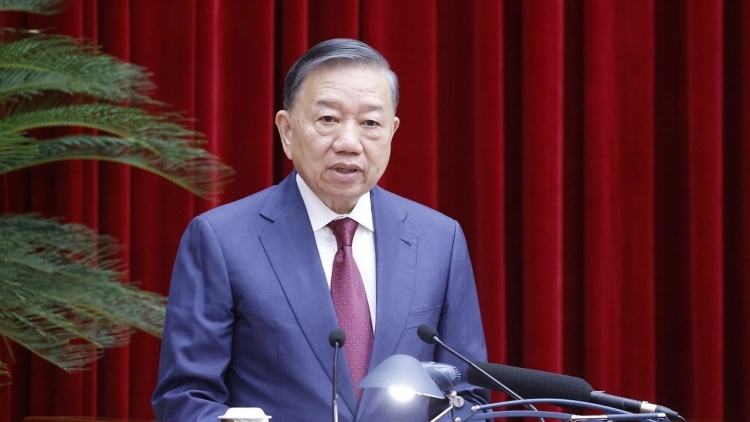
"How can Vietnam create wealth and strengthen its competitiveness in the long run?" Addressing this question, top leader To Lam stressed the need to move away from a growth model that relies heavily on capital, natural resources, processing, assembly, and low-cost labor. Instead, Vietnam should pursue a development model based on productivity, knowledge, data, technology, innovation, high-quality human resources, and modern governance to build an independent, self-reliant economy while continuing global integration.
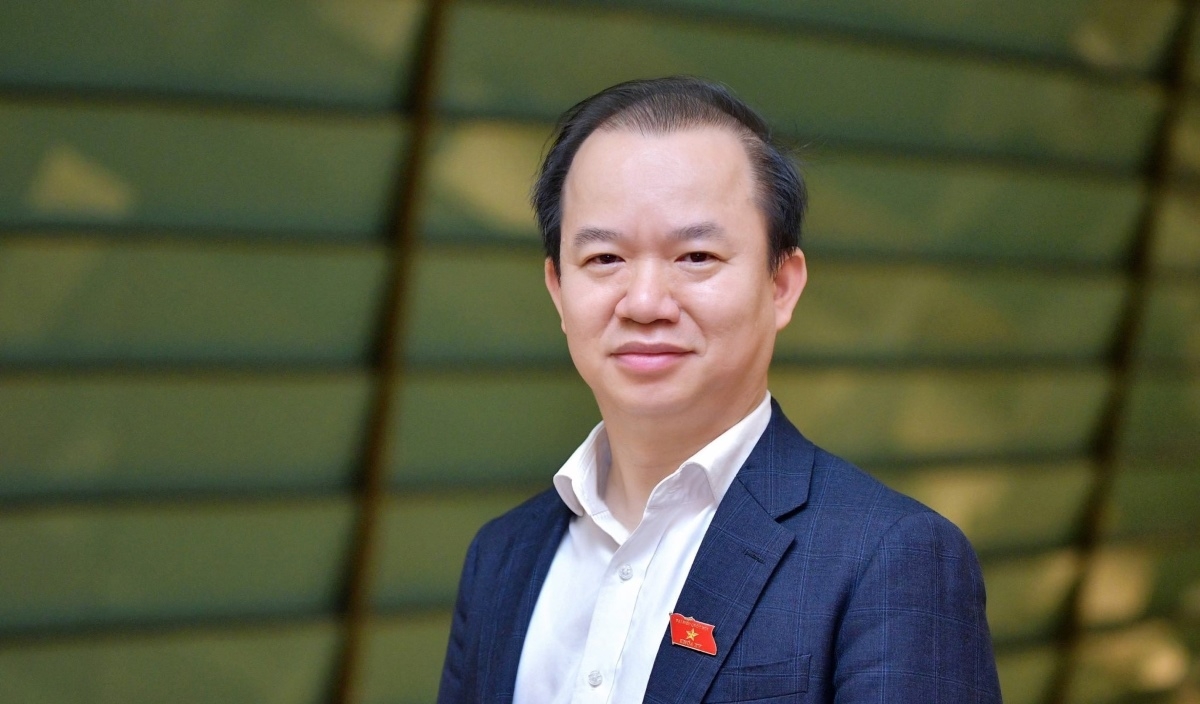
This shift comes at a time when the advantages that once sustained Vietnam's rapid growth are diminishing. Dr Bui Hoai Son, a permanent member of the National Assembly's Committee for Culture and Social Affairs, said: "This is a fundamental transformation. Vietnam can no longer compete primarily on the basis of low costs. It must compete through productivity, knowledge, data, technology, innovation, high-quality human resources, and governance capacity. Science and technology, digital transformation, and artificial intelligence must be translated into products, added value, and genuine competitive strength for the economy. Strategically, this shift will enable Vietnam to move beyond the low-value stages of global production chains, strengthen its self-reliance, and lay a foundation for rapid, sustainable growth."
Party leader and President Lam says people plus productivity, knowledge, and technology will be the pillars of the new development model. Dr. Son said: "As global competition becomes increasingly intense, the countries that master knowledge, technology, and high-quality human resources will be better positioned in the higher value-added segments of the global economy. Above all, placing people at the center means that, while creating more wealth, development also improves people's quality of life, opportunities for advancement, and overall well-being."
The people-centered development model aims to achieve faster, more sustainable economic growth. However, for productivity, knowledge, technology, and people to become genuine drivers of national wealth and competitiveness, necessary conditions must be created to translate the model into practice.
Realization of development drivers
To translate science and technology, innovation, digital transformation, and artificial intelligence into higher productivity, better quality, greater added value, and stronger competitiveness, Vietnam must simultaneously develop supportive institutions, mobilize resources, and foster an innovation-friendly environment.
Mr. Lam underlined the importance of strengthening the State's governance and facilitating role, while allowing the market to play its role in mobilizing and allocating resources. He said the State should continue to play the leading role, with the private sector serving as the economy's most important growth engine. Foreign investment should be linked to technology transfer and support stronger domestic capabilities.
Dr. Son said: "First, Vietnam needs breakthrough institutional reforms that shift from a model of administration and control to one that enables and encourages innovation. Laws must keep pace with emerging technologies through regulatory sandbox mechanisms and stronger protection of intellectual property, data, and research outcomes, while removing procedures that hinder investment and technology commercialization. Second, more policies are needed to attract and retain talents, particularly scientists, technology experts, and capable managers. Third, businesses must become the center of the national innovation ecosystem. Finally, we should develop an integrated, interoperable, and secure national digital infrastructure and data system, and ensure that digital transformation and artificial intelligence are effectively applied in governance, production, and services. For the new development model to succeed, institutions must pave the way, people must remain at the center, technology must drive progress, and businesses must serve as the main implementers."
Economist Dr Le Duy Binh said: "This new growth model requires the right foundation, including high-quality human resources, effective institutions, and strong science and technology capabilities. We should build better institutions, create a more favourable investment environment, and support the transition to this new growth model."
The shift to a development model based on productivity, knowledge, technology, and humans involves more than a change in growth drivers. It strengthens Vietnam's endogenous capacity, enhances national competitiveness, and achieves Vietnam’s goal of rapid, sustainable development in the new era.