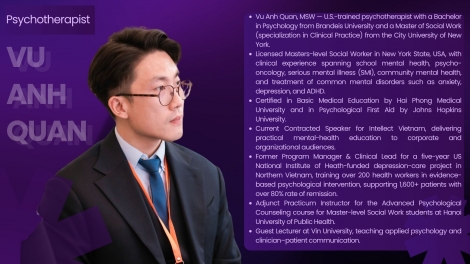




In this edition of Doctor at Home, he explains why sleep is so quietly powerful and shares practical, science-backed habits to help you rest better and feel better.
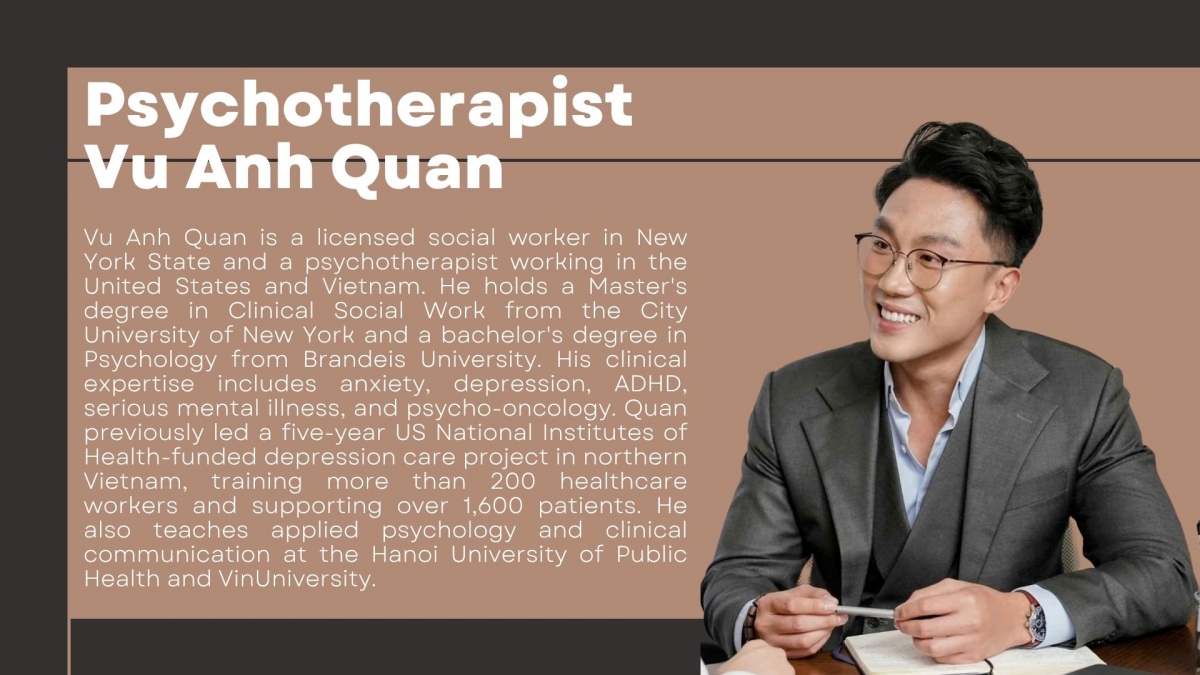
Reporter: Welcome back to Doctor at Home, Mr. Anh Quan. Sleep is often the first thing people sacrifice when life gets busy. Why do you believe it's so important to our mental well-being?
Mr. Anh Quan: So the way I think about it is sleep is basically overnight maintenance for the emotional brain. There's this region deep inside your brain called the amygdala. Just think of it as your inner alarm system. In studies, after just one bad night, that alarm became about 60% more reactive to negative stuff. And at the same time, here's the kicker: the prefrontal cortex, which is the calm, rational manager that's supposed to keep the alarm in check, partly goes offline. And that is exactly why everything feels harder and more personal when you're tired. A comment from a coworker that you would totally shrug off on a good day suddenly stings. Little problems start looking huge. And willpower is part of that exact same system. That prefrontal cortex - the thing that helps you skip the second cookie, hold your temper, stick to the plan - that's the very part that poor sleep knocks out first. So a bad night doesn't just make you tired. It makes you more reactive, more impulsive, and overall less like the person you actually want to be. Honestly, a huge chunk of what we call stress or "having no willpower" may just be sleep debt.
Reporter: What are the common signs that poor sleep is contributing to emotional and cognitive struggles?
Mr. Anh Quan: So the tricky thing is, the signs almost never show up labeled as sleep problems. The most common one is just being emotionally all over the place - having a short fuse, feeling teary, getting overwhelmed by stuff that normally wouldn't faze you. And people go straight to blaming their jobs or their relationships when really the thing underneath it is four nights of lousy sleep. Then, on the thinking side, watch for the fog. Reading the same sentence three times without understanding a thing, losing a word halfway through a thought, not being able to concentrate, not being able to make a simple decision. Your memory gets kind of slippery because sleep is literally when your brain files away the day. You'll probably notice the cravings kick in too, like sugar, caffeine, nicotine, because your tired body is just hunting around for quick energy. Oh, and here's a sneaky one: needing coffee just to feel normal, and then needing it later and later in the day. Sometimes exhaustion even flips into feeling totally wired. When you can't switch off at night, your body is so stressed that it forgets how to power down. So if you're sitting here feeling irritable, foggy, craving sugar, and running on coffee, before you decide something's wrong with your mood or your character, I'd just gently ask: have you actually been sleeping? Fix that first, and you'd be amazed how much sorts itself out.
Reporter: What simple steps can people take to sleep better and wake up more refreshed?
Mr. Anh Quan: Yeah, so let me give you a few tips that are simple and generally backed by evidence. The most powerful one is almost laughably boring: keep the same wake-up time seven days a week. Your body has this internal clock, and a steady wake-up time helps keep it set, which can make it easier to fall asleep at night. The second thing is to get bright light in your eyes early. Ideally, real daylight within an hour of waking up. That morning light tells your internal clock that the day has started, and it sets a timer for sleepiness about fifteen hours later. Be smart about caffeine too, because it hangs around way longer than people think. Try to have your last cup at least six hours before bed. That innocent little afternoon coffee while catching up with friends can quietly wreck your whole night. Then, in the evening, dim things down - lights, screens, everything during the last hour before bed. Bright light at night basically tells your brain, "Oh, it's daytime," and pushes the sleep signal back. And finally, give yourself a little wind-down routine. Do the same few calming things every night so your body starts to think, "Ah, okay. Sleep is coming."
Reporter: What are some of the everyday habits that can quietly undermine our sleep quality?
Mr. Anh Quan: The biggest by far is an all-over-the-place sleep schedule - going to bed at wildly different times, staying up late, sleeping in on weekends. There's actually a term for it: social jet lag. You know jet lag happens when you move between time zones and it messes up your internal clock. Social jet lag keeps your internal clock permanently confused. It's one of the most overlooked reasons people sleep badly. The next one - and this is a big one - is using your phone in bed. And it's not even mainly the light. It's the stimulation: the news, the messages, the endless scrolling, the anticipation that something is coming. It keeps your brain switched on at exactly the moment it's trying to switch off. So I usually tell people: charge your phone in another room and get yourself a cheap little alarm clock. Another thing is alcohol. And yes, it does make you drowsy. But alcohol disrupts the deep, restorative stages of sleep. So you can sleep all night and still wake up feeling like garbage. Then there are the usual suspects: eating a big heavy meal late at night, drinking caffeine too late in the day, and lying awake in bed for ages scrolling or worrying before you sleep. That basically trains your brain to associate bedtime with being wide awake. So here's a good rule of thumb: the bed is for sleep, not for living in. Protect that one association, keep your schedule steady, and you'll handle most of what wrecks sleep quality.
Reporter: What if someone has tried these basic steps but still struggles to sleep? When is it time to seek professional help?
Mr. Anh Quan: So for the long term, I'd say treat sleep like a skill and a priority, not an afterthought you get to after everything else is done. Anchor everything to one consistent wake-up time. That's the keystone. Build a simple wind-down routine that you can actually repeat, so your body gets that nightly nudge - the reminder that the day is closing. And if you try all the basics and you still can't sleep - if you're lying awake night after night or waking up exhausted for weeks - please know that there's a really effective non-medication treatment called CBT for insomnia, or Cognitive Behavioral Therapy for Insomnia. It's actually the first-line treatment for chronic insomnia. It can be more effective than sleeping pills for chronic insomnia, without medication side effects, and the benefits tend to last because you learn skills to help yourself sleep better. So ongoing insomnia is generally treatable. You don't just have to put up with it. So in closing, if there's one thing to take from all of this, it's that a better night's sleep quietly fixes a surprising amount of your day. Sleep isn't lazy. It's the foundation that makes your mood, your focus, and your willpower even possible. So tonight, be kind to your future self and protect your rest. Thanks so much for listening. I'm Anh Quan. Take a breath, take a pause, and take good care, everyone.
Reporter: Our thanks to psychotherapist Vu Anh Quan for sharing his expertise with us. We hope his practical, science-backed advice inspires you to make sleep a priority and enjoy the benefits of better mental and emotional wellbeing. Mr. Anh Quan will devote a future show to a closer look at Cognitive Behavioral Therapy for Insomnia. If you have any questions or topics you’d like us to cover in future editions of Doctor at Home, email us at englishsection@vov.vn or leave a comment on our Facebook page, VOV5 English Service. For more evidence-based mental health information and resources from Vu Anh Quan, you can also visit quantamly.github.io. That's all for this edition of Doctor at Home.