



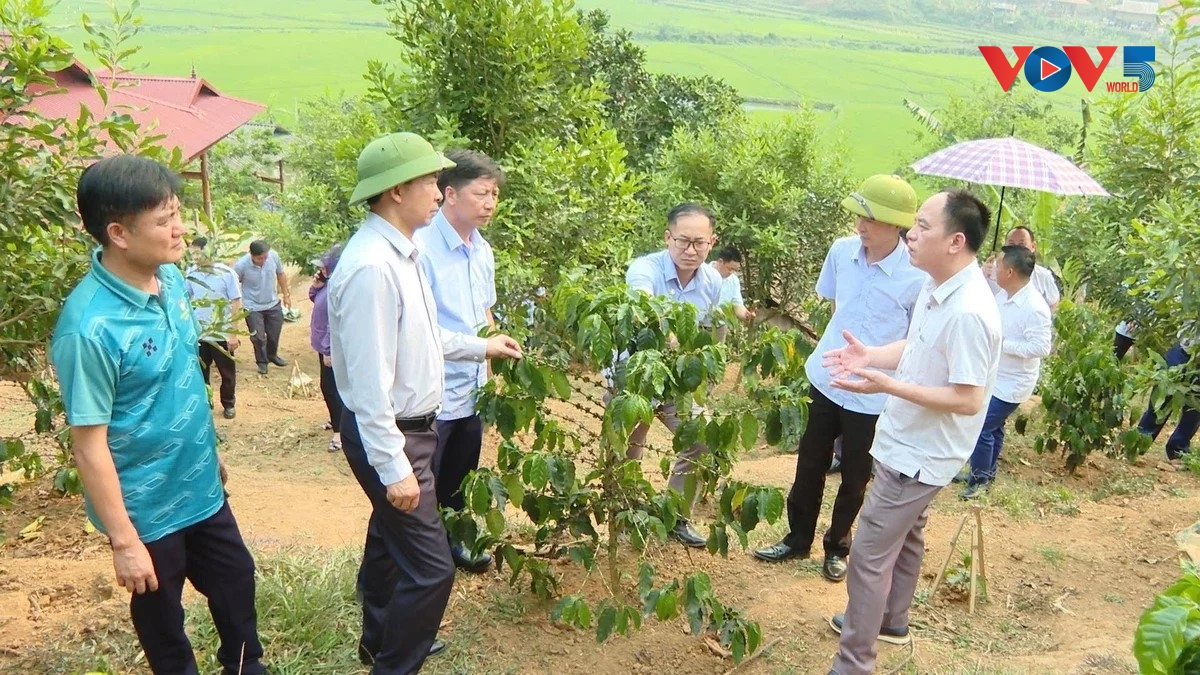
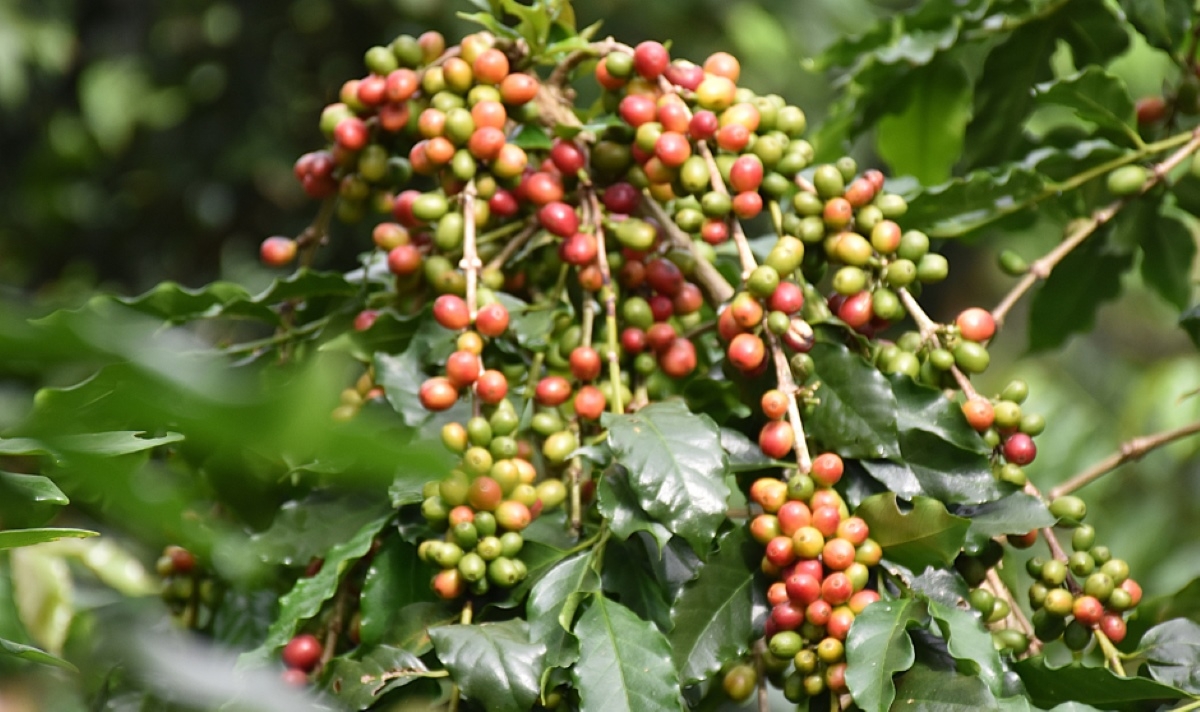
Blessed with favorable climate and soil conditions, Dien Bien has ideal conditions for cultivating Arabica coffee, also known as tea coffee, which has become a key driver of the local agricultural economy and a major source of income for ethnic minority farmers.
According to provincial statistics, coffee generated an average revenue of nearly 11,500 USD per hectare last year. One member of the Pha Din Cooperative in Tuan Giao commune earns more than 190,000 USD annually from 7 hectares of coffee. Dien Bien currently has 8,900 hectares of coffee producing 6,000 tons of coffee beans each year.
Nguyen Anh Viet, Chairman of the Hong Ky International Coffee Company, told VOV that Mong ethnic people are growing mainly coffee, and Thai communities in the lower-lying areas are also expanding cultivation. “Our company focuses on Arabica specialty coffee as our core product. Dien Bien's coffee has a distinctive purity and flavor that sets it apart from coffee grown elsewhere. We want Tuan Giao coffee to establish its own identity among Vietnam's coffee-growing regions," Viet noted.
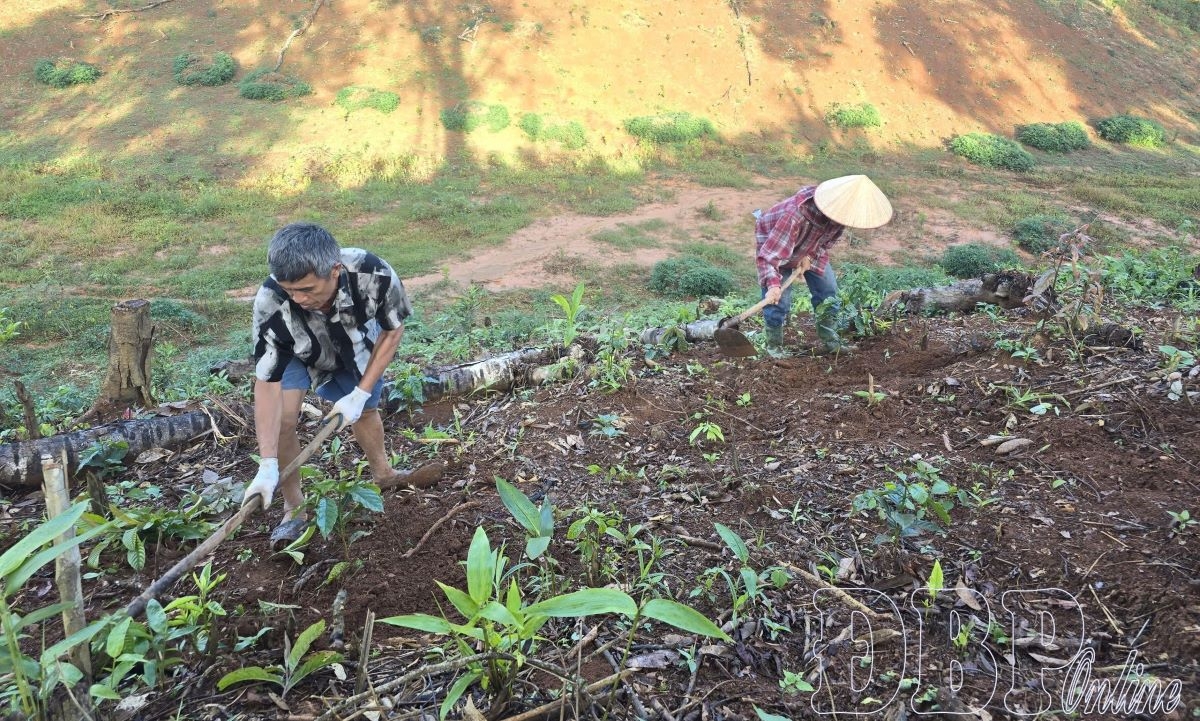
Arabica cultivation is expanding in areas with suitable climate and soil conditions, including Muong Ang, Quai To, and Tuan Giao. Muong Ang has been granted a geographical indication for Dien Bien specialty coffee.
Previously, most of Dien Bien’s coffee was sold as semi-processed beans to exporters outside the province. Today, local businesses are shifting toward deep processing, developing a wider range of value-added products, and investing in branding to improve the value of Dien Bien coffee.
To date, Dien Bien has 5 coffee products recognized under Vietnam's One Commune One Product (OCOP) program. Tran Thi Thu Hai of the Hai An Company, whose salted coffee has earned a 3-star OCOP rating, said that Arabica coffee has a distinctive flavor profile, with bright acidity and natural sweetness.
“Our products include whole beans for espresso machines, ground coffee for traditional Vietnamese filters, and ready-to-drink beverages such as salted coffee, allowing customers to enjoy them on-site or buy them as gifts. We currently sell mainly within the locality, and in Hanoi, Da Nang, Quang Ngai, Ho Chi Minh City, and Phu Quoc," said Hai.
Following the Central Highlands and Son La, Dien Bien is steadily making coffee one of its strategic crops. Since the beginning of the year, it has planted an additional 607 hectares of coffee and aims to expand the cultivation area to 20,000 hectares by 2030, positioning itself as one of Vietnam's leading coffee-producing provinces.
Dien Bien has also introduced investor-friendly policies, including a "green lane" mechanism that fast-tracks administrative procedures for major investment projects. Dao Ngoc Anh, Chairwoman of the Detech Coffee Company, which supplies coffee to both domestic and international markets, recalled, "I began working in Son La in 2018, and now we're expanding our Arabica coffee-growing area into Dien Bien. That makes me incredibly excited. Dien Bien's coffee has an excellent flavor that’s slightly different from Son La's.”
“Each region has its own characteristics, but the differences are subtle. What impressed us most was the warm welcome and strong support we received from Dien Bien when we showed a desire to invest here," Ngoc Anh added.
Dien Bien is pursuing a green, smart, sustainable agricultural strategy to strengthen its position in international coffee markets. Coffee production is being managed from seedling selection to QR-code assignment for growing areas to ensure transparency in promotion and global sales.
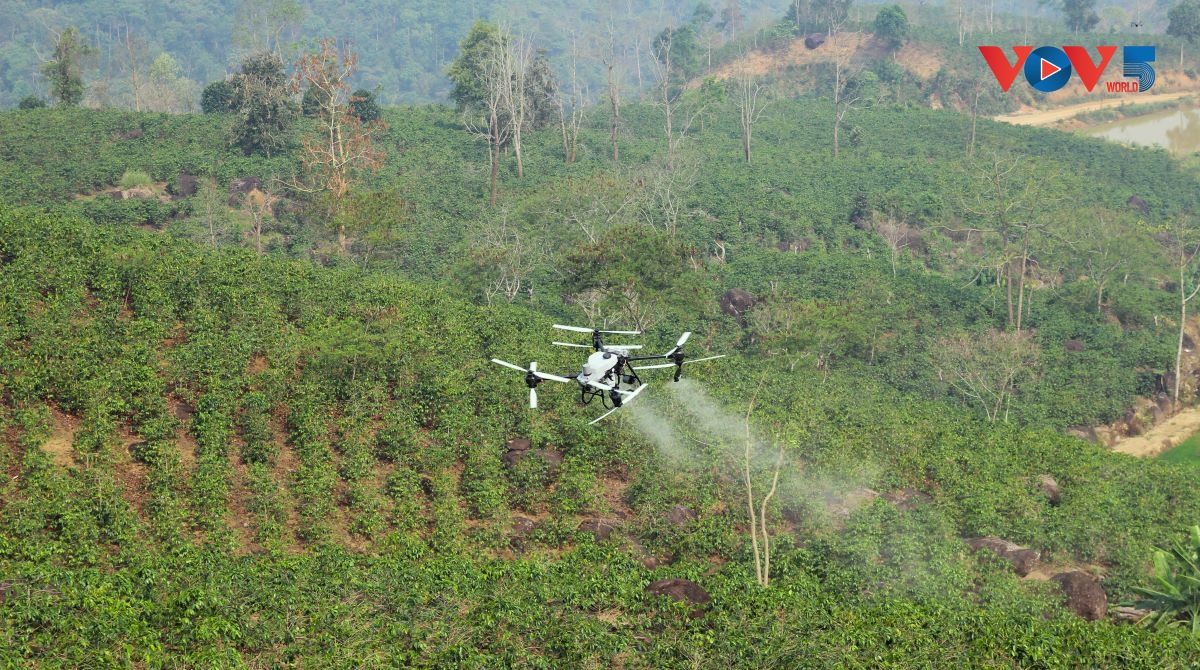
The province is deploying unmanned aerial vehicles (UAVs) for crop management, data collection, and GIS mapping, and developing production models that comply with the European Union Deforestation Regulation (EUDR).
According to Lo Hai Dinh, Deputy Director of the provincial Division of Agriculture and Environment, Dien Bien is strengthening supply chain linkages among farmers, cooperatives, and businesses.
“We’re expanding the application of sustainable production standards and improving traceability systems to meet the requirements of export markets, particularly the EU's Deforestation Regulation. At the same time, we’ll continue attracting investment in deep processing, building integrated value chains from production to consumption, and promoting the Dien Bien coffee brand through its geographical indication at home and abroad," said Dinh.
The right direction and a clear development strategy will help Dien Bien increase the value of its signature crop and position the Dien Bien coffee brand on the coffee map of Vietnam and the world.