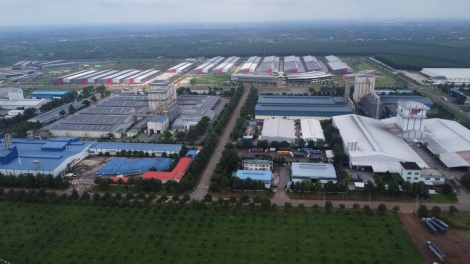




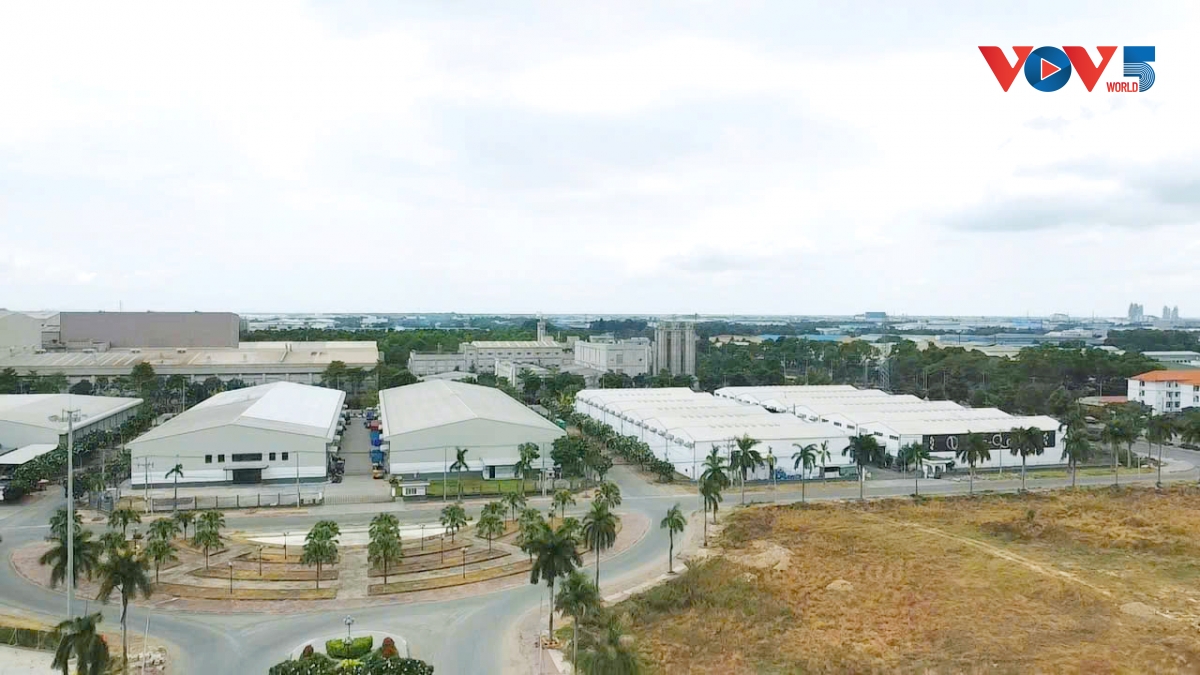
Dong Nai now has 72 industrial parks (IPs). It aims to have at least 2 certified eco-industrial parks by 2030. However, as of June 2026, 6 IPs (AMATA, Long Duc, Bien Hoa 1, Dau Giay, Dinh Quan, and Tan Phu) have already registered to transition from traditional IP to next-generation IP.
Pham Viet Phuong, Deputy Head of the Dong Nai Industrial and Economic Zones Management Board, says that enterprises operating in those IPs must meet green production and sustainable development criteria. That means both infrastructure developers and secondary enterprises must allocate sufficient financial resources to implement the transition.
“Secondary enterprises in industrial parks must bear the costs of compliance with conversion requirements. But numerous support policies are being applied to enable these businesses to access financial sources for the transition,” said Phuong.
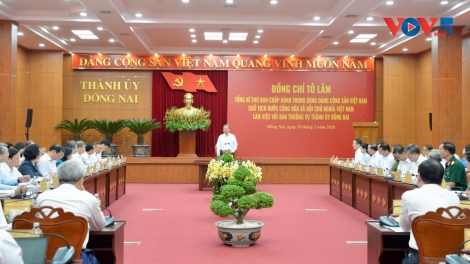
According to provincial People's Committee Chairman Nguyen Van Ut, developing industrial zones based on eco-friendly, green, and clean models—while applying modern technology—will enhance the quality of growth and competitiveness in attracting investment.
“Dong Nai can’t maintain multi-industry, multi-sector IPs. We must convert traditional IPs to eco-industrial parks. Only if IPs are green, clean, and smart can we sustain Dong Nai’s growth rate. If Dong Nai grows, it will drive national economic growth,” Ut noted.
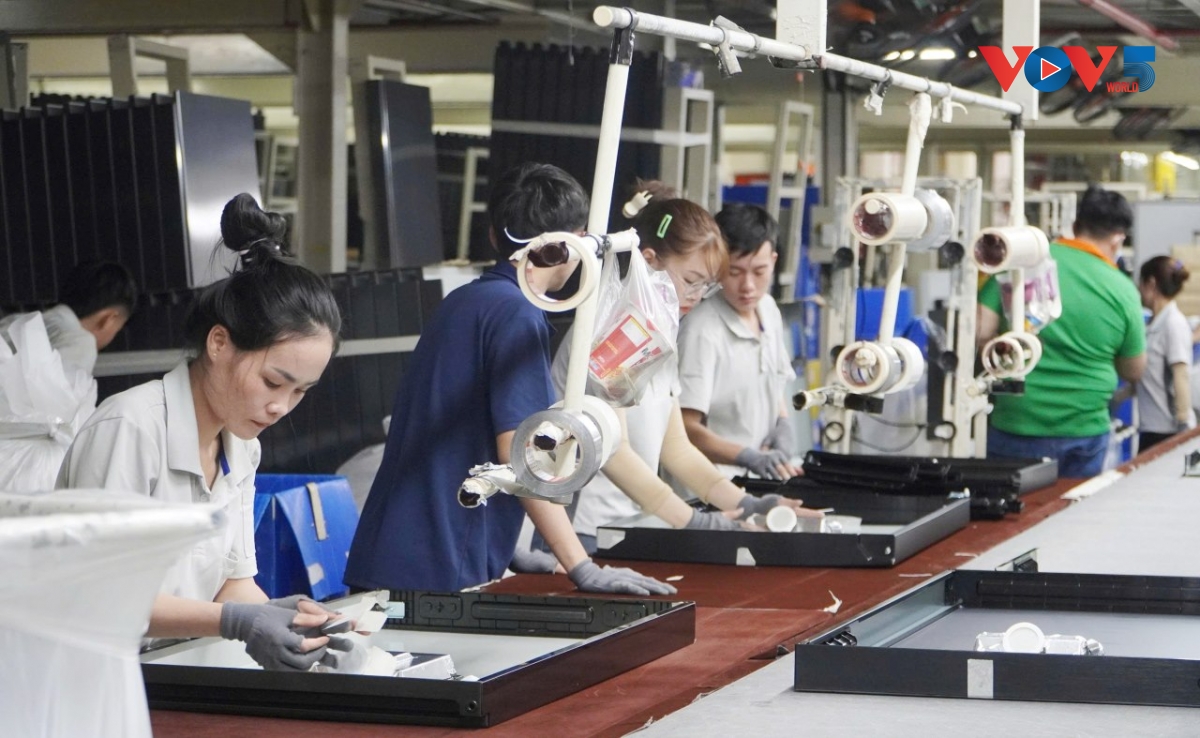
Nguyen Tuan Anh, Deputy Director General of KN Holdings Group, said that developing green, smart IPs is no longer optional. The key issue is how to execute the transition to draw high-quality FDI flows. The goal extends beyond expanding green space. Enterprises must optimize resource, water, and energy use. The transition will increase productivity and added value by using renewable energy, environmental technologies, and modern management methods.
Tuan Anh said that, to achieve this, Dong Nai needs a mindset shift, from merely building infrastructure to creating an industrial ecosystem where technical infrastructure, energy, and digital transformation go hand-in-hand, with people at the center. He underscored the need to create an industrial space for research and innovation with people at its core.
“There will be worker housing and expert residential areas with full amenities and services to encourage the workforce to stay with the IP for 5 years, 20 years, or even longer. This ensures that when FDI enterprises invest in the industrial park, they’re in for the long haul,” Tuan Anh added.
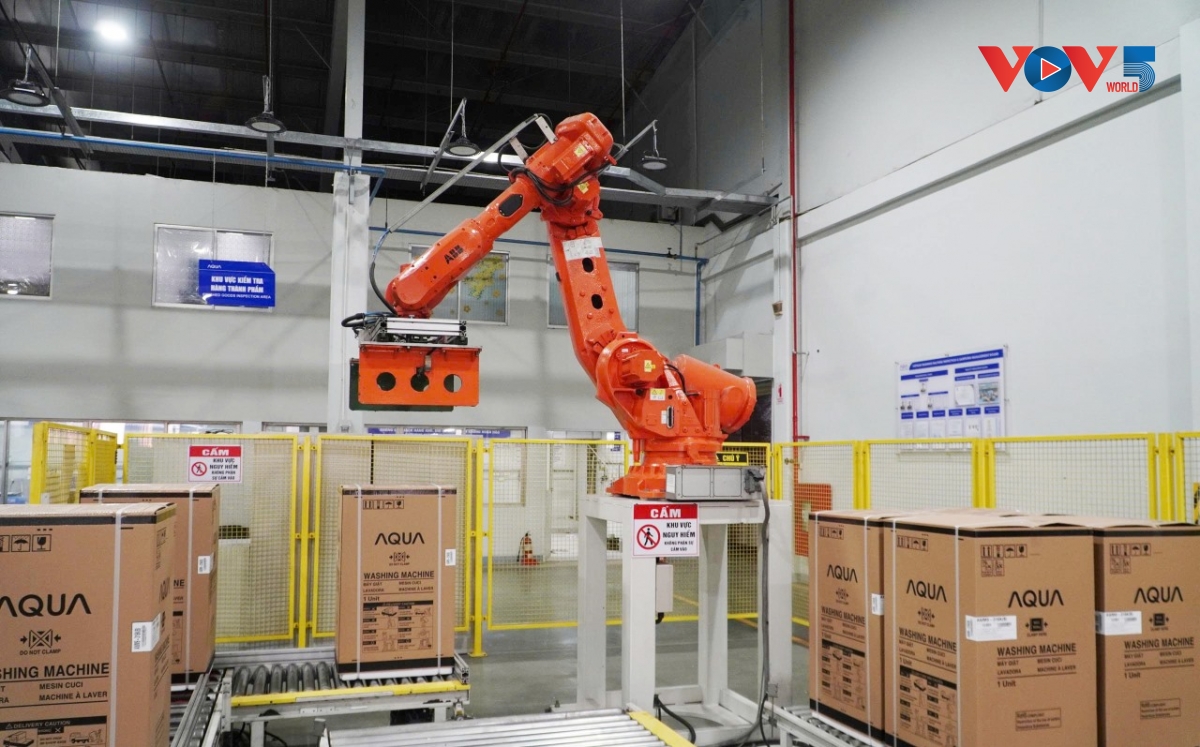
Tran Dai Nghia, Managing Director of the FII Vietnam Investment and Consulting Company, said that many investors are hesitant to implement green, smart IP projects in Vietnam. The local government, therefore, needs to build a comprehensive legal system and financial mobilization mechanism to help enterprises in project implementation and the balancing of investment costs.
“When investing in eco-industrial park infrastructure now, the biggest hurdle for businesses is capital, as it represents a massive cost. With the current high interest rates in Vietnam, if an investor building eco-industrial park infrastructure could get loans from local banks or other sources at half the market interest rate, they could balance their IP investment costs,” Nghia said.
In the race to attract high-quality FDI, early movers can lure investors and solidify their position in global manufacturing value chains. For Dong Nai, developing green, smart industrial parks is an imperative for sustainable development and to be an industrial powerhouse in the Southeast region.