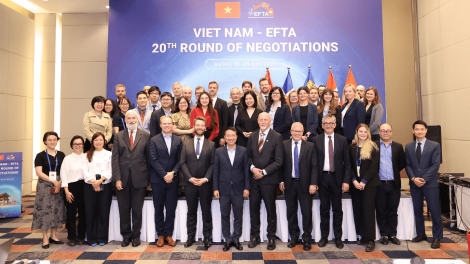




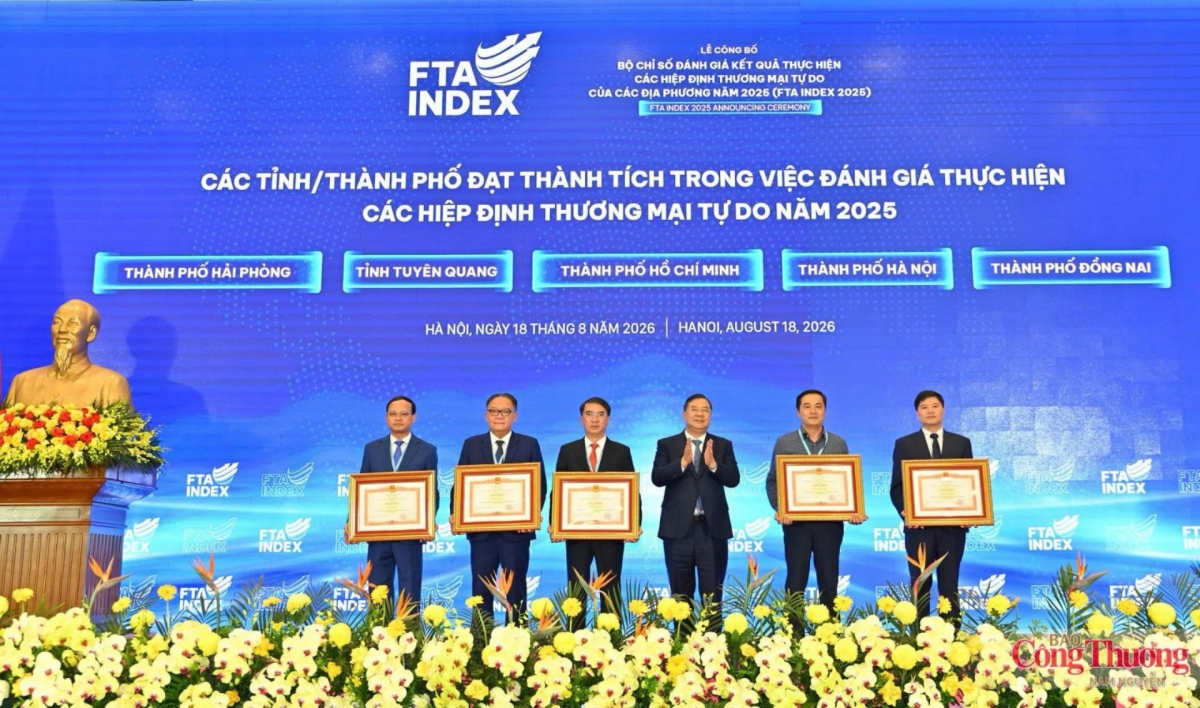
Vietnam currently has 17 active Free Trade Agreements expanding market access for domestic goods and enterprises. Turning these agreements into tangible results requires close coordination between central and local authorities in applying tariffs, rules of origin, technical standards, and market requirements, and enabling businesses to make the most of available incentives.
Hai Phong achieved GRDP growth of 11.8% last year at the same time it was streamlining its administrative apparatus, adopting a two-tier local governance model, and navigating global trade fluctuations. Import-export turnover totaled 91.7 billion USD, including 50 billion USD in exports.
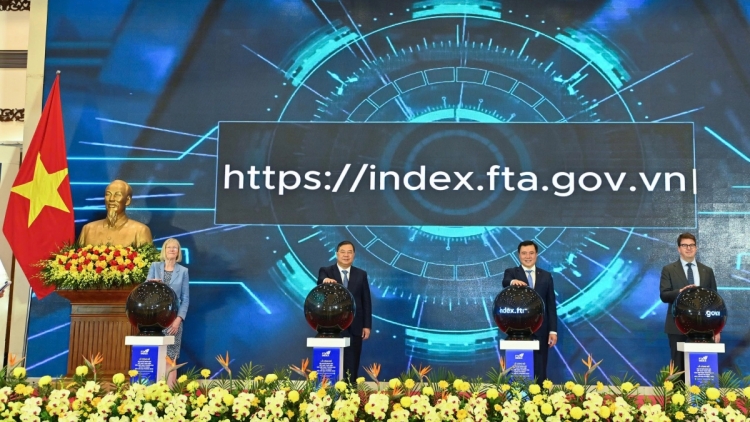
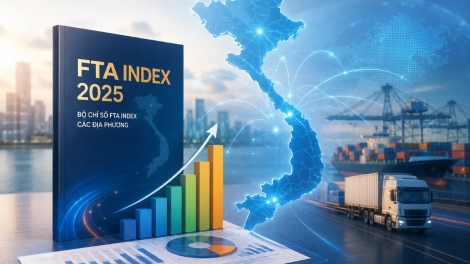
According to the FTA Index 2025, Hai Phong ranked first nationwide in FTA implementation. The city, placing businesses at the center of its approach, provided information by sector and market and swiftly resolved import-export bottlenecks.
Hoang Minh Cuong, Deputy Chairman of the Hai Phong People's Committee, said that Hai Phong has made businesses the core focus and their experience the key benchmark. “Hai Phong is shifting from awareness campaigns to delivering targeted information by sector and market, boosting dialogue, and promptly addressing complaints concerning import-export, certificates of origin, and logistics. Policies only have value when businesses can access them, understand them, and convert them into orders, markets, and jobs,” Cuong noted.
In addition to expanding markets, Hai Phong is focused on increasing production capacity and meeting ever tighter standards, he said. “Hai Phong has combined market expansion with improving internal capacity and sustainable development. We prioritize high-tech and clean technologies, green manufacturing, and energy efficiency, and help enterprises comply with rules of origin, environmental and labor standards, and traceability requirements. Tariff preferences open doors, but product quality, digital capabilities, and supply chain management ultimately determine how far businesses can go.”
In Thanh Hoa, FTA commitments are integrated into business support policies, with a focus on market expansion, logistics development, technological upgrades, and supply chain transparency. Thanh Hoa ranked 3rd nationwide in the FTA Index 2025.
Doan Trong Thanh, Deputy Head of the Import-Export Management Section of the provincial Department of Industry and Trade, said, “Based on the signed agreements, Thanh Hoa immediately issues implementation plans so local organizations and businesses could make full use of trade advantages. Next, we enact policies to boost integration and help enterprises enter new markets and export new products, along with enterprise development schemes and incentive policies for international shipping lines and exporters operating through Nghi Son Port.”
“In addition, provincial departments and agencies have supported businesses in shifting the production mindset to focus on origin traceability, investment in technology, and strict compliance with rules of origin to avoid trade defense measures and demonstrate transparent, compliant manufacturing,” Thanh noted.
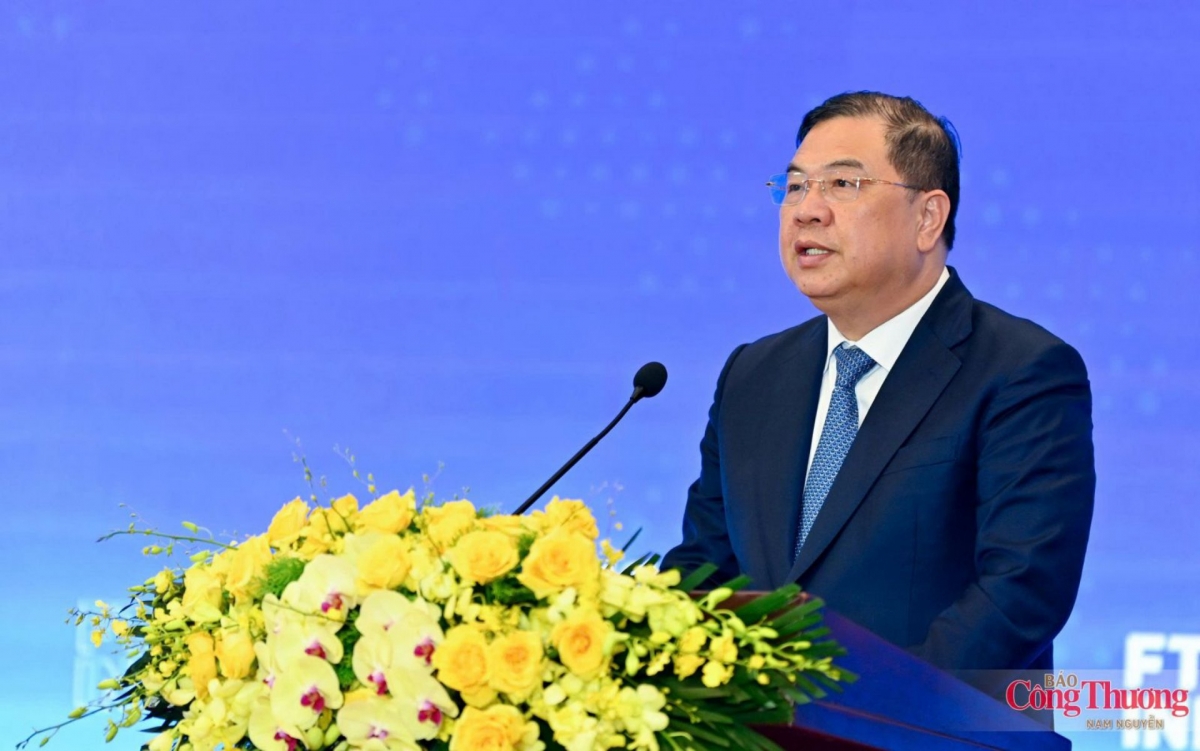
FTA implementation has become an integral part of economic governance at the local level. According to Standing Deputy Prime Minister Pham Gia Tuc, “FTA implementation should be seen as an organic component of the socio-economic development strategy and a crucial benchmark for evaluating the governance capacity and integration readiness of local authorities, rather than the sole responsibility of the industry and trade or foreign affairs sector.”
“Every locality must embed FTA implementation into its socio-economic management agenda, directly tied to leadership accountability,” said Tuc.
Executing FTAs goes beyond voicing commitments, it requires concrete action at the local level. When governments closely support enterprises, and businesses take the initiative to improve their quality, technology, and compliance standards, trade commitments can be successfully translated into markets, orders, and sustainable competitiveness.