



B: We have an email from Chinmoy Mahato, President of the Guide International Radio Listeners Club in India. He shares some wonderful news with us. On July 23, India observed National Broadcasting Day, celebrating the start of organized radio broadcasting by the India Broadcasting Company in 1927.
A: To mark the occasion, Mr. Mahato and the members of his club organized a large Radio Exhibition at their club premises.
B: The exhibition attracted many students and teachers. 1,000 radio sets were put on display, and Mahato introduced visitors to the significance of National Broadcasting Day and the history of radio broadcasting. That's a great way to inspire young people to learn more about the fascinating world of radio, said Mahato.
A: The event received extensive coverage from the press and local media. Looking at the newspaper clippings that Mahato sent us, we can see the enthusiasm and dedication of his club in promoting radio listening.
B: Thank you very much, Mahato, for sharing that with us. We appreciate the effort you and your fellow club members make to keep the spirit of radio alive.
A: We'd be happy to send you some promotional materials from the Voice of Vietnam, so you can distribute them to radio enthusiasts in your area. We hope these materials will introduce more people to the Voice of Vietnam and strengthen the friendship we have with our listeners in India.
B: Now we have a reception report from Francis Lawlor in Ireland. He listened to our English broadcast on July 10 from 19:00 to 19:25 UTC on 11885 kHz using a Sony tabletop radio with an extendable antenna. He rated SINPO 44444.
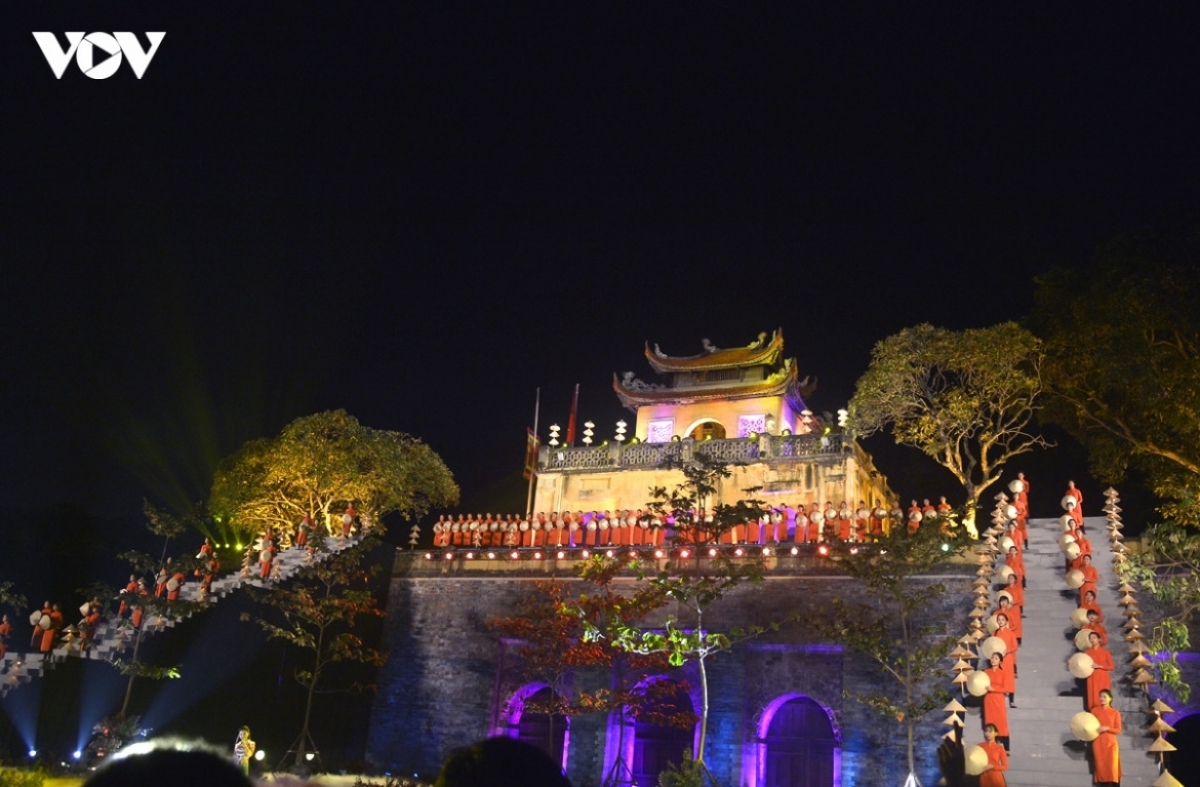
A: We're delighted to hear that our signal reached Ireland with a good reception. Mr. Lawlor listened to news stories about the recovery and identification of fallen soldiers, economic developments in Vietnam, higher education in Vietnam, and current world events. He said he enjoyed our stories on growing organic tea and using virtual reality to promote Vietnam's heritage sites.
A: Thank you, Francis, for listening to our broadcast and taking the time to send us a careful report. Your QSL card is on its way.
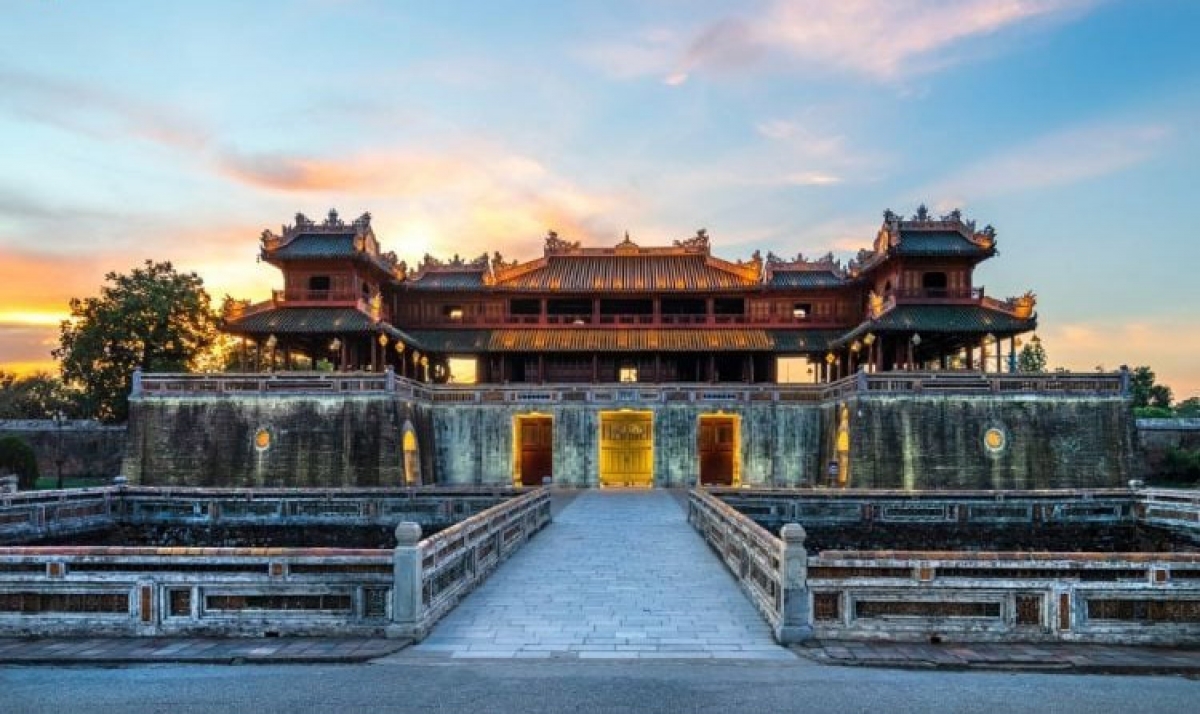
B: This email is from Volker Willschrey of Dillingen, Germany, who often writes to us with questions about Vietnam. This time, he wants to know about Vietnam’s UNESCO-recognized heritages.
A: As of 2026, Vietnam has 37 UNESCO-recognized heritage items, divided into 9 World Heritage Sites (6 cultural, 2 natural, 1 mixed), 17 intangible cultural heritages, and 11 documentary heritages.
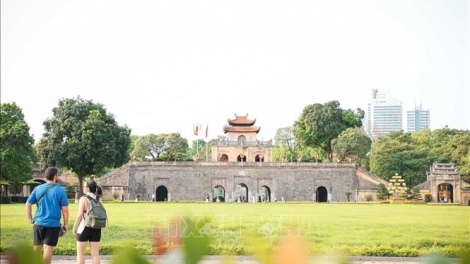
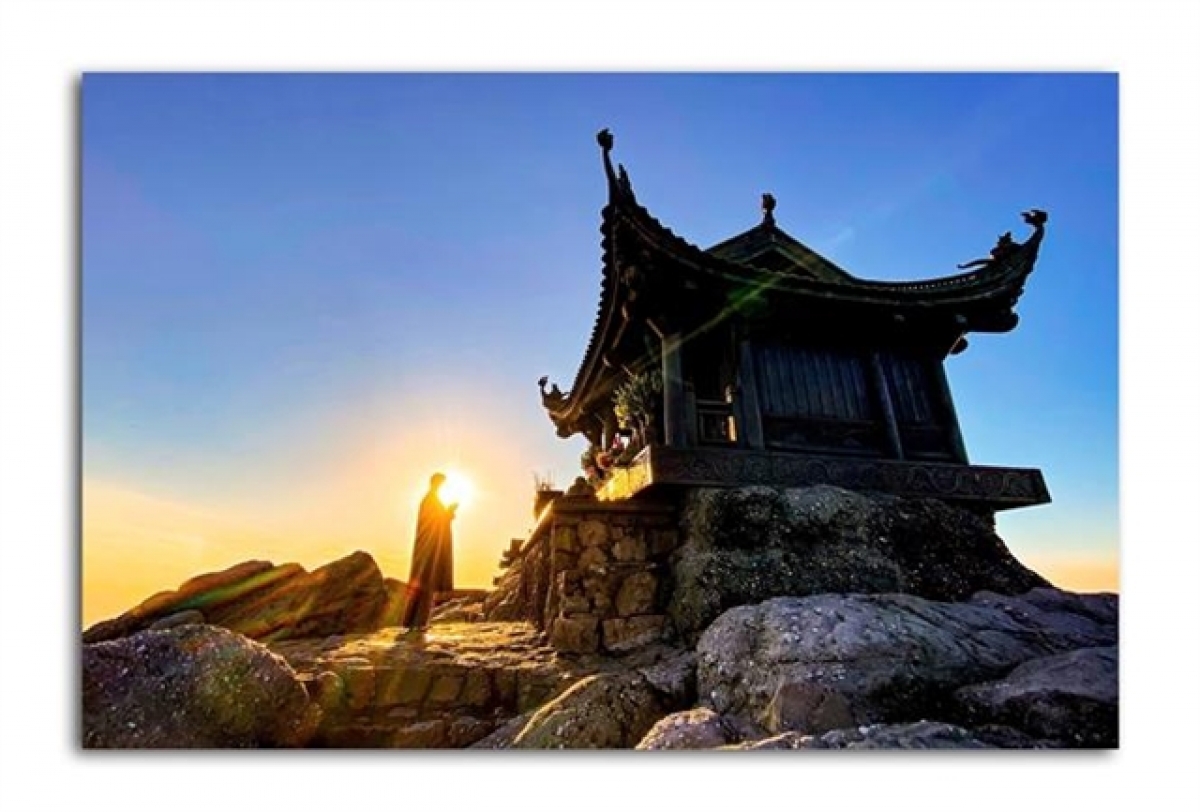
B: The 6 World Cultural Heritage sites are the Hue Monuments Complex, Hoi An Ancient Town, My Son Sanctuary, the Thang Long Imperial Citadel, the Citadel of the Ho Dynasty, and the recently inscribed Yen Tu-Vinh Nghiem-Con Son-Kiep Bac Complex.
A: The Yen Tu-Vinh Nghiem-Con Son-Kiep Bac Complex. Vietnam's newest UNESCO World Heritage site, was inscribed last year. Jonathan Baker, UNESCO Representative in Vietnam, spoke at a ceremony in Quang Ninh province to celebrate the inscription last December. "This recognition is not only a tribute to the exceptional cultural and spiritual values of this property, but also a testament to Vietnam's unwavering commitment to heritage preservation and sustainable development. This complex tells a remarkable story: the birth and enduring legacy of Truc Lam Zen Buddhism, a uniquely Vietnamese tradition. Founded in the 13th century by King Buddha Tran Nhan Tong and nurtured for generations, Truc Lam Buddhism harmonizes Mahayana Buddhist, Confucian, Taoist, and local Vietnamese beliefs, creating a harmonious vision of life that promotes peace, compassion, and personal integrity. These ideals shaped Vietnamese identity and continue to inspire communities today, both in Vietnam and around the world."
A: The Mixed World Heritage site is the Trang An Landscape Complex in Ninh Binh province. Recognized in 2014, it is Southeast Asia's first mixed heritage site, celebrated for both its spectacular natural landscape and its archaeological and cultural significance.
B: Vietnam is very proud of its 17 UNESCO-listed Intangible Cultural Heritages. They include the royal court music of Nha nhac, the space of Central Highlands gong culture, Quan ho folk songs, Ca tru ceremonial singing, Xoan singing, the worship of the Hung Kings, Vi and Giam folk songs, the practice of Then by the Tay, Nung and Thai ethnic groups, and other living traditions that continue to be passed down from generation to generation.
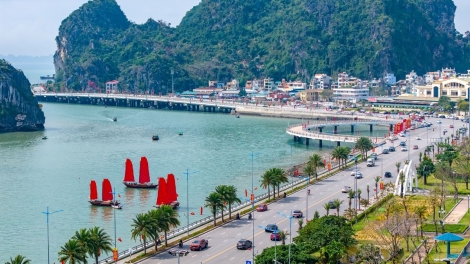
A: In addition to its cultural heritage, Vietnam is also home to three UNESCO-recognized Natural World Heritage sites: Ha Long Bay, Phong Nha-Ke Bang National Park, and the Ha Long Bay-Cat Ba Archipelago. These sites are recognized for their outstanding landscapes, geological values, and rich biodiversity.
B: We hope that answers your question, Mr. Willschrey. For more information about Vietnam’s UNESCO-recognized heritages, please visit our website at vovworld.vn. Thank you for your continued support and your interest in Vietnam’s rich culture and heritage.
A: We received a letter from listener Dino Manfredi of Oberalm, Austria, who tuned in to our English program on 11885 kHz on July 26 and gave it a SINPO rating of 33333. Later that evening, he listened to our French program on the same frequency, rating SINPO 43334.
B: Manfredi writes, "Finally I could listen to you again. A little bit of propagation made it possible."
A: We're delighted that better propagation allowed you to tune in to our broadcasts again. Shortwave listening depends on changeable atmospheric conditions, so a successful reception is rewarding. We hope the propagation continues to improve and that you'll be able to enjoy our programs regularly in the coming weeks.
B: Here’s a reception report from Victor Guzhov of Russia, who tuned in to our English program on July 27 on 9835 kHz using an XHDATA D-808 receiver with a five-meter external wire antenna. He rated SINPO 44444 and sent us an audio recording of the program to confirm his reception.
A: Thank you for your detailed report and for taking the extra step of sending an audio file. We enjoy receiving recordings from our listeners. They give us a better sense of how our broadcasts are being received around the world.
B: Once again, we'd like to thank all our listeners who wrote to us this week. Your letters inspire us to keep improving our programs, whether through traditional shortwave broadcasts, our website, social media, or our new podcasts.
A: That's a wrap for this week's program. Goodbye until next time!