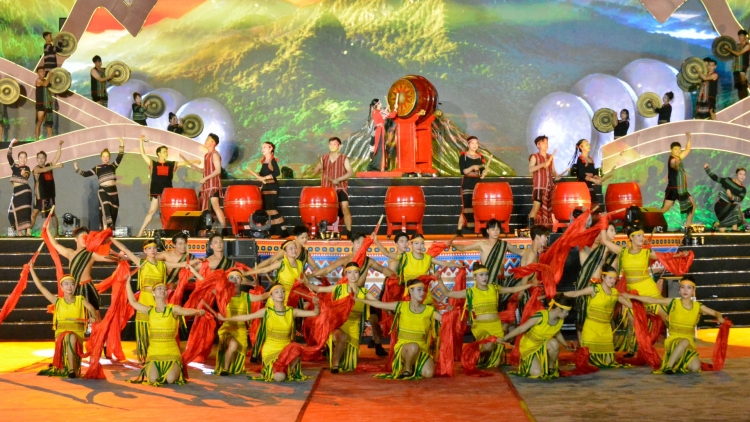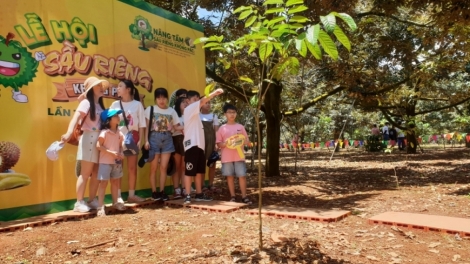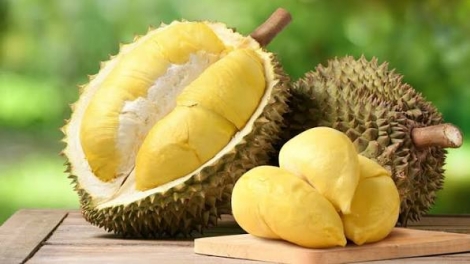




Participants focused on clarifying market requirements, standards, and regulations—both domestic and international—applicable to the durian sector. Discussions also covered the establishment and management of growing area codes and packing facility codes, quality inspection, food safety, and traceability, alongside proposals to enhance the quality, added value, and economic efficiency of the industry.
Vo Van Hung, Deputy Minister of Agriculture and Rural Development, emphasized the urgent task for Dak Lak and industry stakeholders, which is the management of durian growing area codes. This entails shifting from pre-inspection to post-inspection and decentralizing authority coupled with accountability.
“The guiding principle is to support residents, businesses, and organizations. Key measures include cutting pre-market inspections while increasing post-market oversight. Efforts should be made to tighten management and implement traceability to ensure quality and efficiency, thereby delivering products to the market that meet requirements,” Hung said.
The forum organizers facilitated the signing of nine memoranda of understanding (MOUs) regarding cooperation, investment, and the development of a sustainable durian value chain in Dak Lak province, with a total value of over 344 million USD.
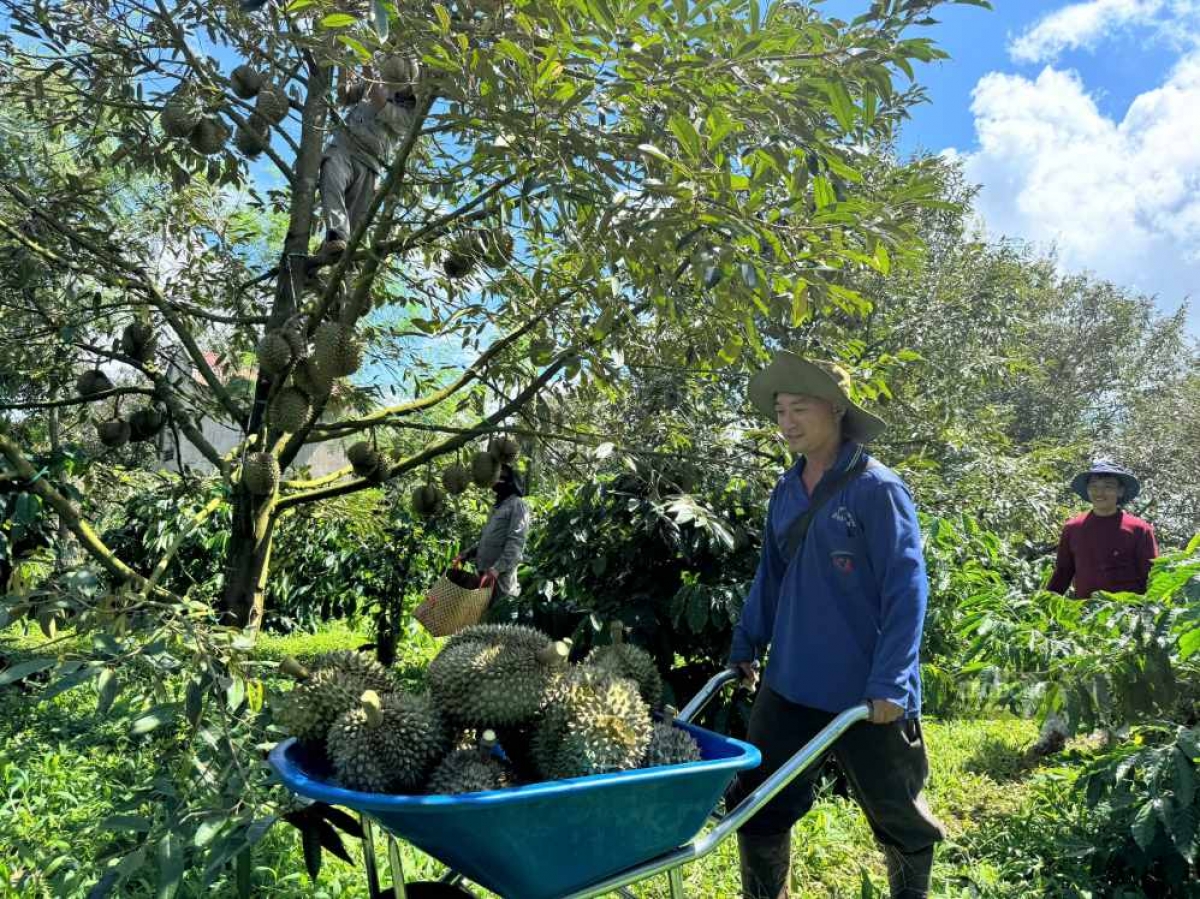
Dak Lak is currently a key durian-producing region in Vietnam. It has 44,000 hectares of durian cultivation, with a projected output of around half a million tons in 2026. To date, 280 growing area codes have been approved, covering 7,500 hectares.
The province has 41 approved packing facilities for fresh fruit exports and 16 facilities for packing frozen durian. China is the primary export market for Dak Lak durian, accounting for roughly 70% of the province's projected total output.