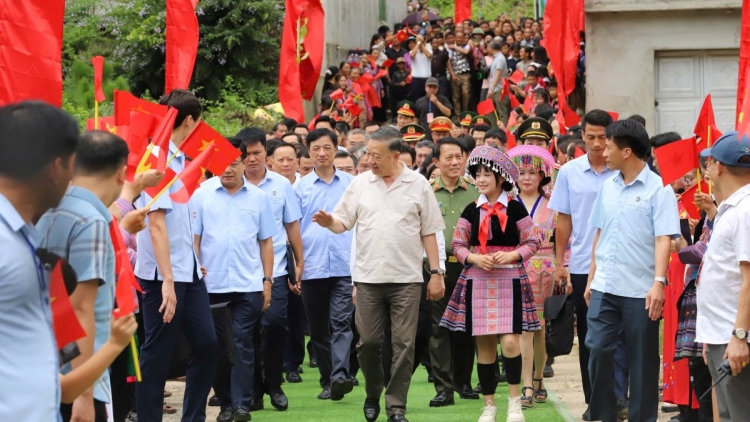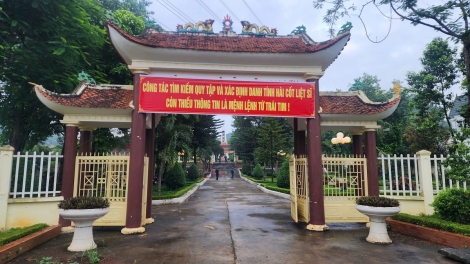




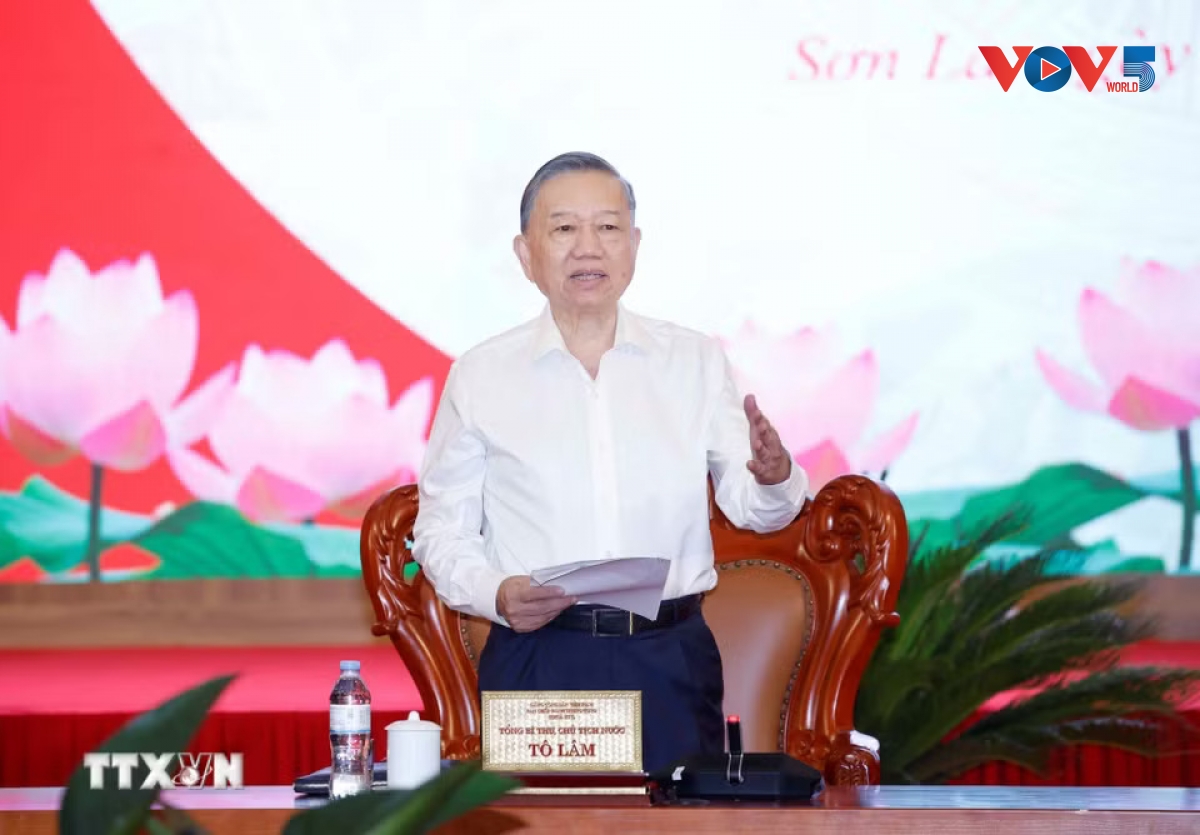
The Vietnamese top leader was speaking at a working session with the Son La provincial Party Committee in Moc Chau on Thursday, reviewing the province's implementation of the 14th National Party Congress Resolution, the 16th Provincial Party Congress Resolution for the 2025–2030 term, major Party and Central Government policies during the first half of 2026, and key tasks for the remainder of the year.
He urged Son La to strengthen governance under the two-tier local government model, build a professional, modern, and service-oriented administration, accelerate digital transformation and technological innovation, safeguard national defense, security and border stability, and reinforce national unity.
Mr. Lam asked provincial leaders to focus on eight strategic priorities, particularly those defining Son La's long-term development model and strategic role in Vietnam's Northwest region.
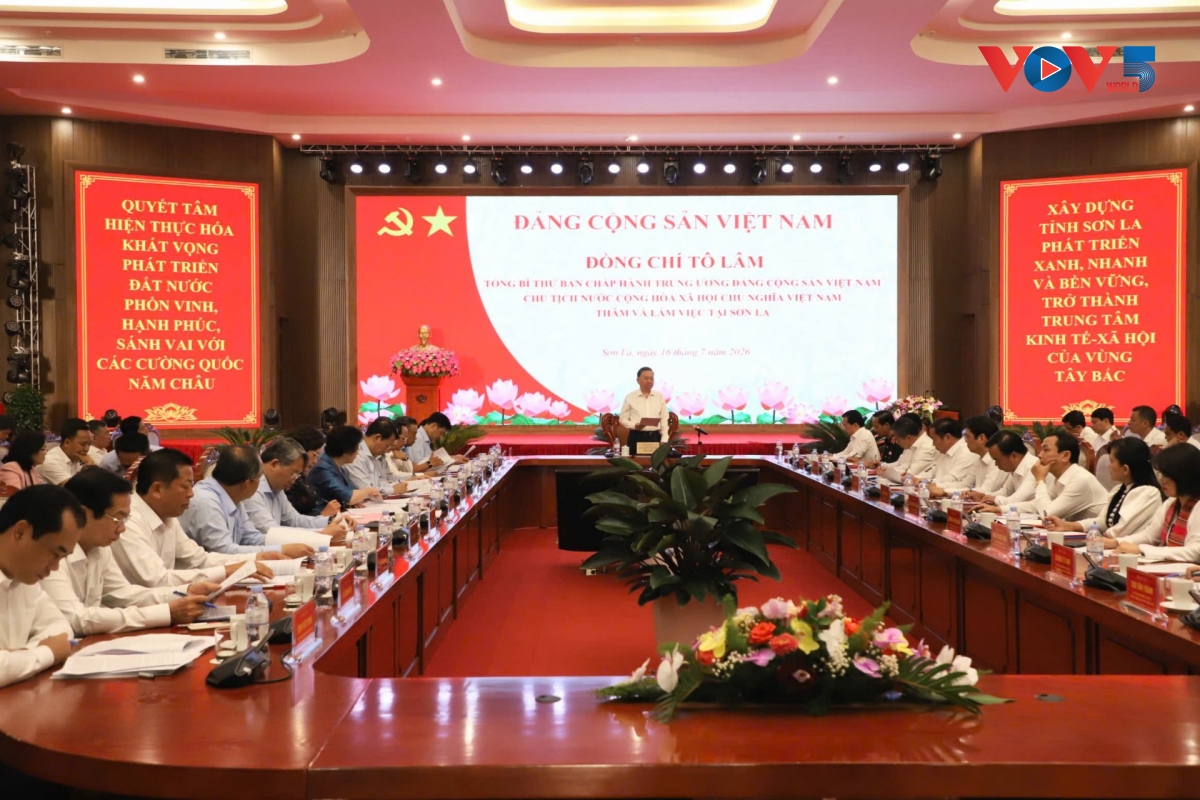
"Economic growth must not come at the expense of the environment, social welfare, or administrative discipline. Resources should be concentrated on projects capable of creating real breakthroughs. Son La should develop into a regional hub for ecological agriculture, agricultural processing, and distinctive tourism while maximizing its strengths in renewable energy, reservoir-based economic activities, and cross-border trade with northern Laos," said Mr. Lam.
"The plan for four economic zones, two growth poles, and seven development corridors must be translated into specific projects, land-use plans, financing mechanisms, implementation schedules, and clear accountability. Sustainable growth should be built on responsible resource use, comparative advantages, workforce development, and technological innovation," added the Vietnamese top leader.
Emphasizing that people-centered development must remain the guiding principle of the province, Mr. Lam stressed the importance of improving education, ensuring stable livelihoods, and sustainably reducing poverty.
He stressed the need to provide free annual health check-ups for every citizen and establish electronic health records; continue the search, recovery, and identification of fallen soldiers' remains; complete the construction of 13 multi-level boarding schools in time for the new academic year and ensure they operate effectively to improve education quality and opportunities for students in border areas.
"It’s also important to address long-term livelihood challenges in hydropower resettlement areas by securing farmland, clean water, employment, and sustainable income; reform vocational training to better meet labor market demand, support production restructuring and market access for local products, complete digital databases on poor households, and replicate successful poverty reduction models," said Mr. Lam.