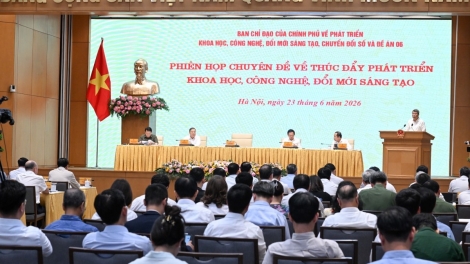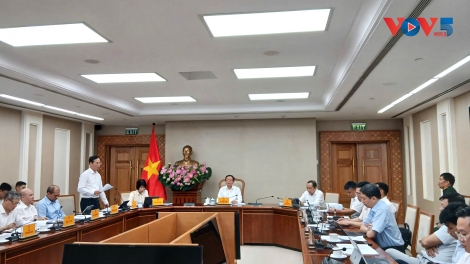




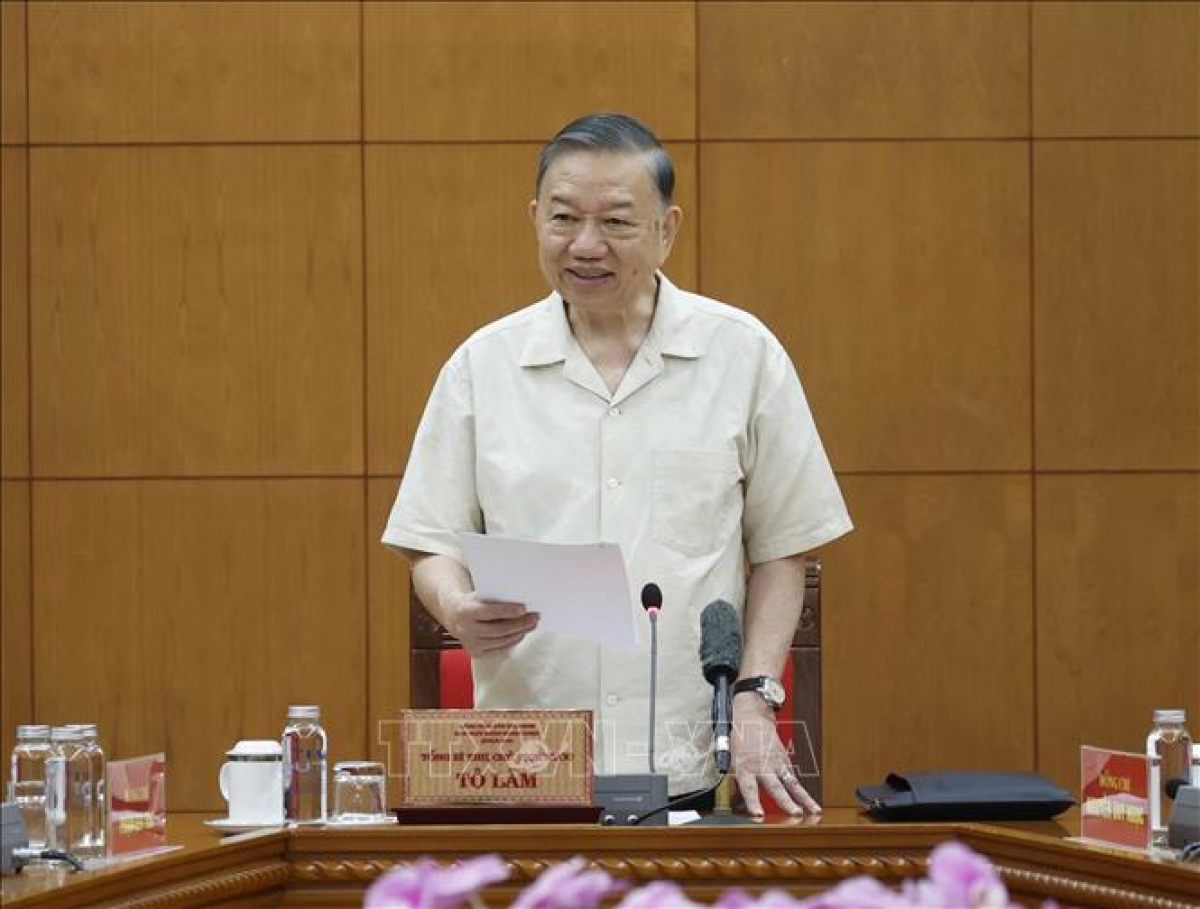
Chairing a meeting with the Government Party Committee and relevant agencies, the Vietnamese top leader reviewed the implementation of Party resolutions on building a coordinated national infrastructure system to support Vietnam's ambition of becoming a modern industrialized country.
He said infrastructure should no longer be viewed simply as a means of supporting production and daily life, but as a strategic asset that determines national competitiveness. Its success, he said, must be measured by the benefits it delivers to citizens, businesses and the broader economy.
The Vietnamese leader called for reforms in infrastructure planning and governance, urging greater accountability among government agencies accompanied by the creation of a unified national database covering infrastructure planning, projects and public assets. He also stressed the need to accelerate the use of digital technologies and artificial intelligence in the planning, operation and maintenance of national infrastructure.
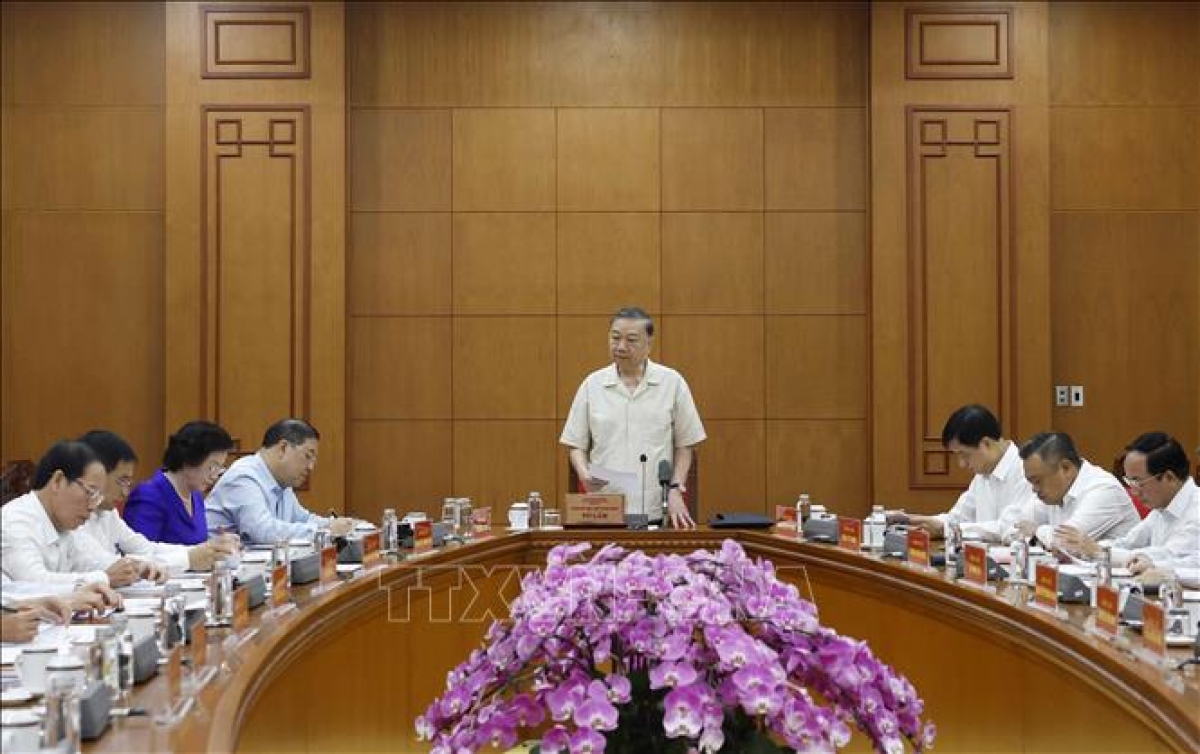
Mr. Lam urged authorities to prioritize investment in strategic transport and logistics corridors, while expanding inland waterways, national railways and urban transit systems alongside technology transfer and domestic industrial development. He also emphasized the need to strengthen climate resilience, improve water security and enhance the safety of reservoirs and dams, particularly in industrial zones, seaports, coastal cities and the Mekong Delta.
He said public investment should play a leading role in attracting broader capital, with priority given to nationally significant projects, regional connectivity, essential public infrastructure and facilities supporting national defense and security.
Looking ahead, Mr. Lam said Vietnam aims by 2045 to build a smart, green, resilient and fully interconnected infrastructure network capable of linking the country internally, integrating its economy with global markets and ensuring universal access to essential public services.