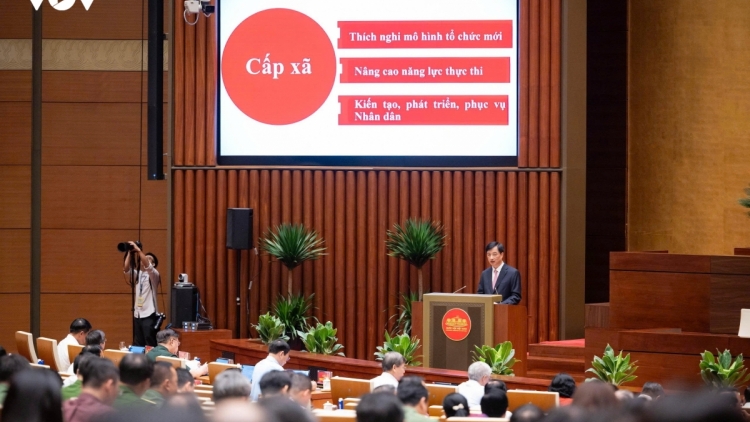




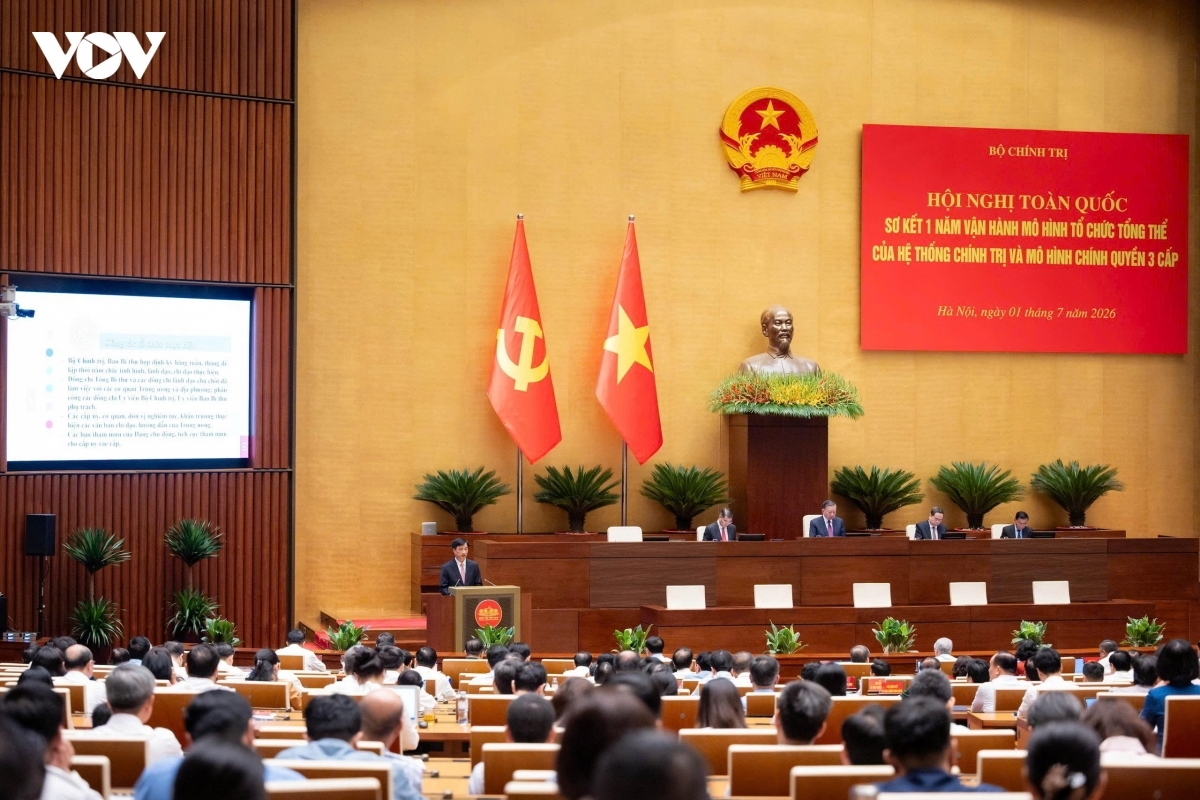
Speaking at the conference, the Vietnamese top leader reaffirmed the soundness of the Party's policy to reform and restructure the political system. He stressed that the next stage is to shift the focus toward improving operational quality, public service delivery, and the development-oriented capacity of the new administrative apparatus.
Mr. Lam said: "We need to continue to comprehensively improve the legal and institutional framework governing the political system. Legislative amendments must be driven by practical bottlenecks. It’s important to continue reforming the Party's leadership methods over the political system and society; further refine the organizational model and operational mechanism of the two-tier local government system."

"Provincial governments should concentrate on strategic planning, development planning, resource allocation, regional coordination, inspection and supervision, and regional linkages. Commune-level governments must function as the frontline of public administration, promptly receiving, processing and responding to the needs of citizens and businesses,' said the top leader.
Mr. Lam also called for stronger decentralization accompanied by adequate resources and effective oversight; building a contingent of officials capable of meeting the requirements of the new governance model; and accelerating digital transformation throughout the entire political system.
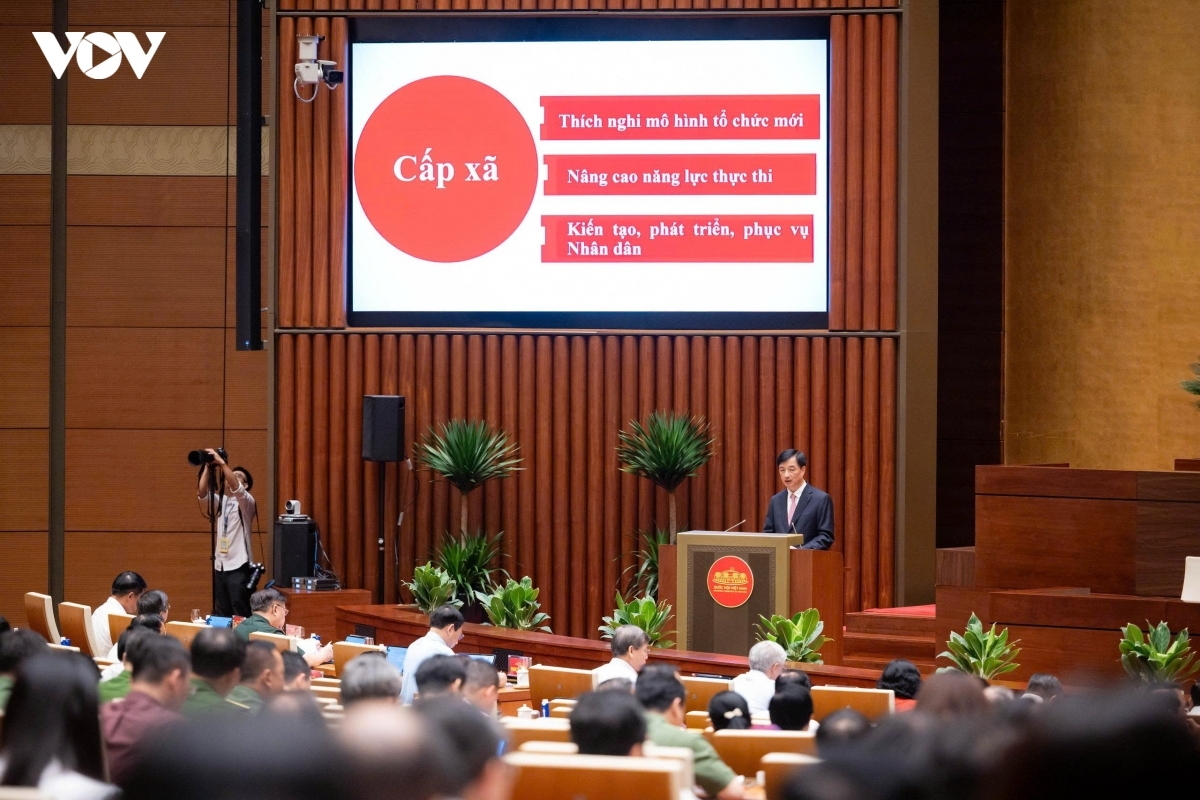
Addressing the conference, Head of the Party Central Committee's Organization Commission Nguyen Duy Ngoc said the sweeping restructuring of the political system had delivered breakthrough results and received strong support from Party members, officials and the public, while earning positive recognition from the international community.
The political system, including Party organizations, the National Assembly and the Government, has been reorganized in a coordinated and streamlined manner, strengthening grassroots governance, and significantly improving implementation capacity at the commune level.
Mr. Ngoc said: "The current task is no longer simply to "complete the restructuring," but to move into a phase of fine-tuning so that the new system operates more efficiently and seamlessly, with clearly defined authority and responsibilities, while providing better services to citizens and businesses. We will focus on improving decentralization under the three-tier governance model: the central government will focus on institution-building, digital platforms and oversight; provincial governments will be responsible for administration, resource coordination and regional connectivity; while commune-level authorities will directly implement policies, manage data and serve citizens and businesses."
Deputy Prime Minister Pham Thi Thanh Tra said the Government will continue reviewing and reorganizing commune-level administrative units that do not meet required standards.
She said that if three key factors are ensured—high-quality commune administrations, a capable team of officials and civil servants, and strong data-driven digital governance—the two-tier local government model will operate more effectively.
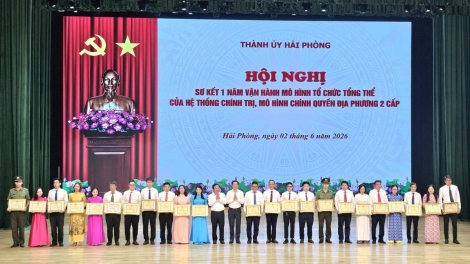
At the conference, representatives from several provinces, cities and commune-level governments presented reports on their practical experiences after one year of implementation.