




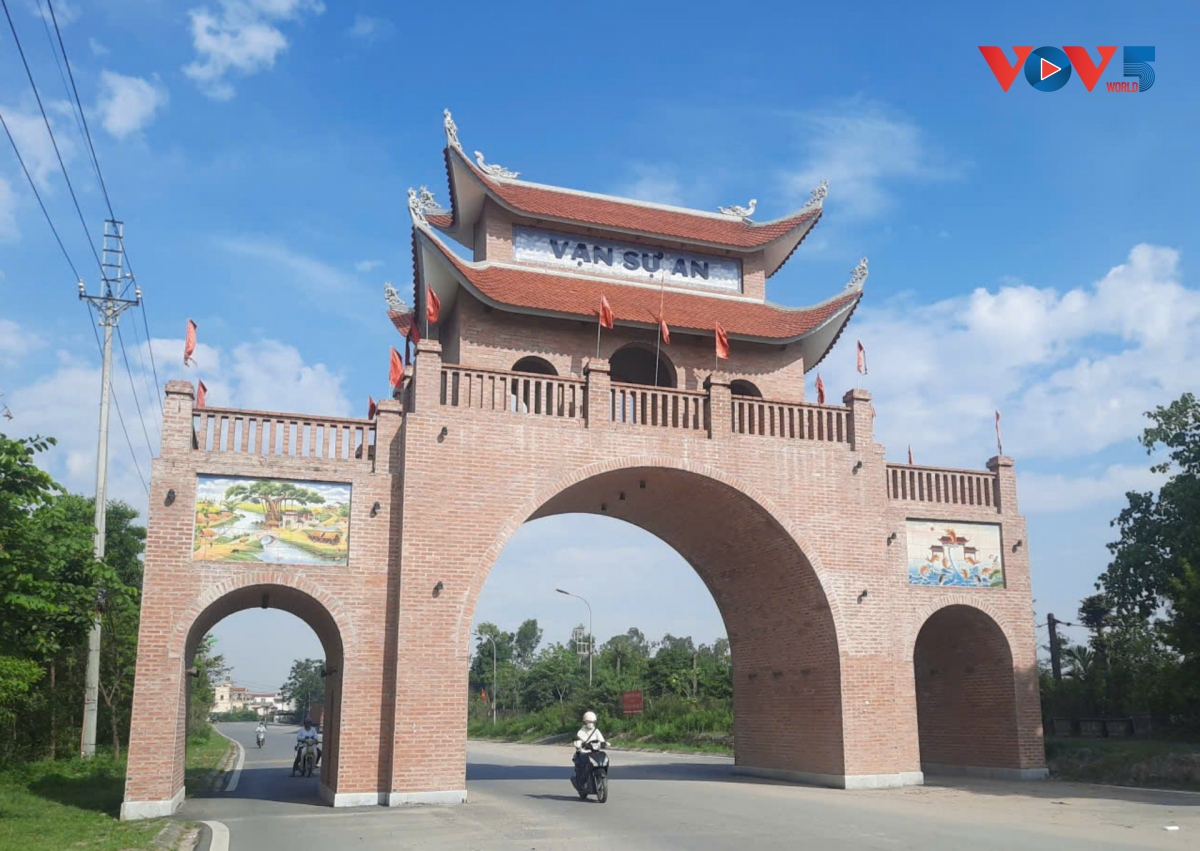
Yen My’s ancient banyan trees, communal house, and iconic village gate are a tranquil setting that reflects the cultural identity of the Red River Delta. Its notable architectural heritage includes Thanh Lan pagoda, the Yen My communal house, and the Revolutionary Tradition House.
The adjusted plan identifies Yen My as one of seven historic village clusters selected for renovation and refurbishment. Local residents support the blueprint, but hope that their riverside village that has been home to generations of families will be preserved.
Villagers Dinh Thi Phuong told VOV, "Yen My boasts an exceptional ensemble of historical and cultural relics, including a communal house, a pagoda, and a shrine. It was a wartime resistance base that sheltered revolutionary cadres. The ancient village along the Red River has customs, traditions, and historic sites that got it officially recognized as a National Relic Site in 1995. We strongly hope that authorities will preserve the village's current residential area."
Another villager named Nguyen Van Duc has this to say, "This village is our homeland, our roots, and our ancestral legacy. It has our ancestral altars, supports our livelihoods, and provides a home for our children and grandchildren to return to. We fully support the city's development goals, but we hope development will respect people's legitimate rights and aspirations. We want to preserve our current residential area."
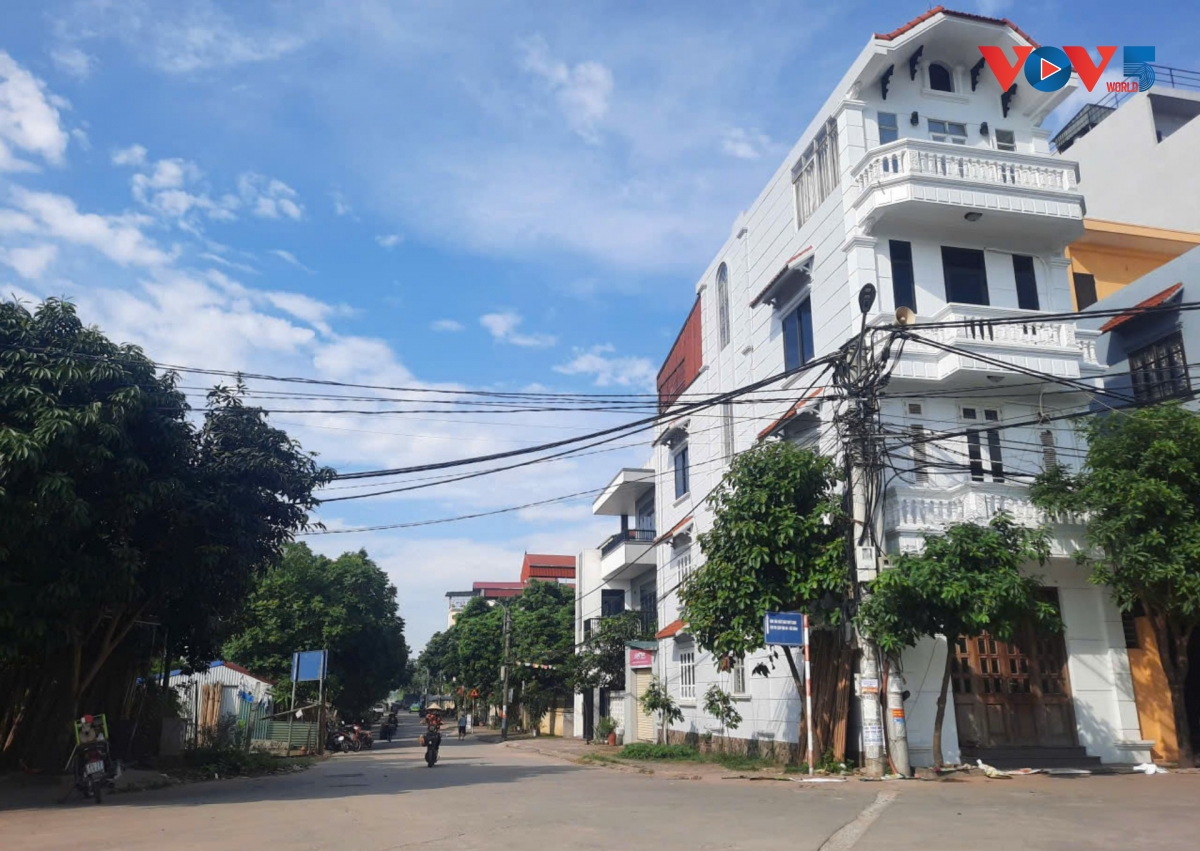
Both banks of the Red River preserve layers of Thang Long-Hanoi's cultural heritage, encompassing ancient villages, craft villages, historical sites, and communities whose lives have been intertwined with the river for generations.
As Hanoi develops a new urban profile along the Red River, a key priority is to respect history, preserve local identity, and ensure that ancient cultural values remain part of the city's future.
"The ancient craft villages along the Red River constitute a unique heritage. As we remake the Red River into a cultural creativity axis, steering Hanoi's development toward a cultured, civilized, modern capital built on its heritage, these villages will play a central role. Plans currently cover 12 clusters of ancient craft villages, including Bat Trang, Giang Cao, Kim Lan, Tu Lien, and Nhat Tan, which are poised for enhancement and expansion," said Professor Dr. Nguyen Quang Ngoc, Vice President of the Vietnam Association of Historical Sciences.
Experts say riverside spaces should be developed using models tailored to the unique characteristics of the Red River corridor.
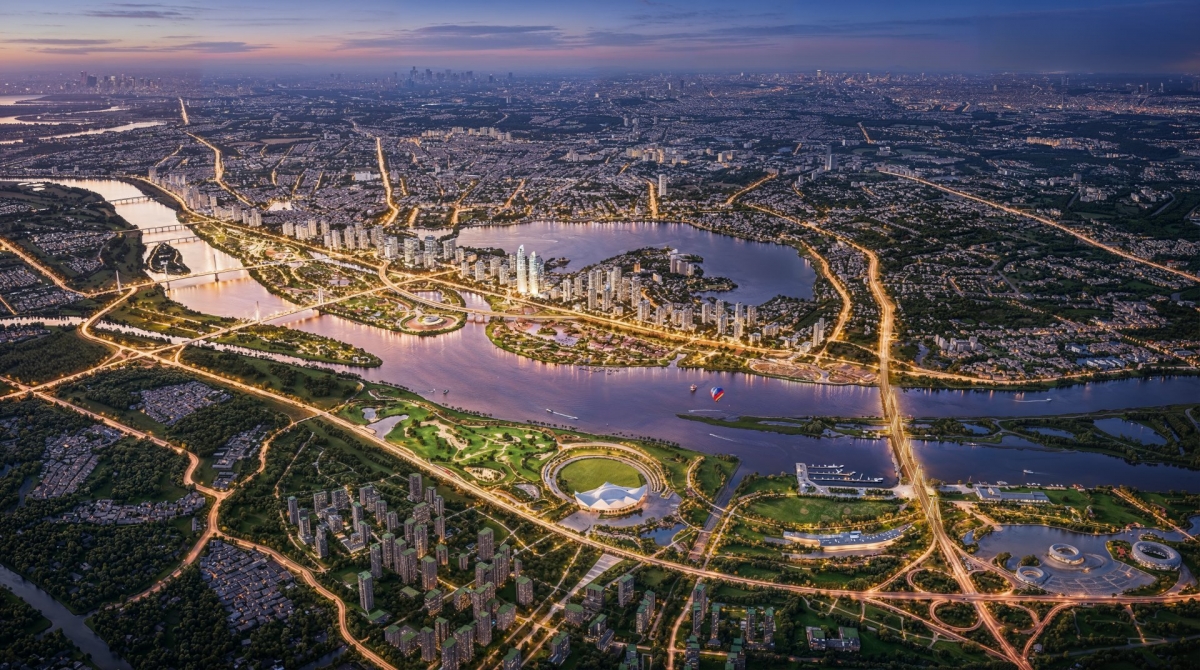
"We once focused strictly on a landscape axis, but now envision an ecological, cultural, landscape, and central urban axis that could be a symbol of the capital's evolution," said architect Dao Ngoc Nghiem, Vice President of the Vietnam Urban Planning and Development Association.
"The goal of the Red River landscape axis is to blend heritage, civilization, and innovation. That represents the culmination of more than 30 years of research on the Red River. In the future, research should focus on revitalization so residents can stabilize their lives, and clearly delineate areas requiring relocation from those that most strongly embody the soul of Thang Long-Hanoi," he added.
The master plan uses approaches tailored for different zones, renovating and stabilizing areas suitable for continued settlement and relocating communities from areas where safety is at risk. In that way, Hanoi seeks to balance urban development with the preservation of cultural legacies passed down through generations.