



According to the United Nations, climate change has negative impacts on fundamental human entitlements, directly undermining basic standards of living, health, food, clean water, housing, and a healthy environment.
Safe living environment is a fundamental human right
For a long time, environmental protection was viewed as a cost to be paid or a task accompanying economic development. Air pollution in major cities, drought and saltwater intrusion in the Mekong Delta, and landslides in mountain areas have shown that environmental, climate-related damage has a profound impact on people’s health and livelihood.
Environmental protection and climate change response are not just resource management issues. They represent the Party and State’s political commitment to protecting the civil, economic, and social rights of every citizen. Conclusion 75 affirms one guiding principle: "Place the people and their quality of life at the center of all development decisions; make ensuring a safe, clean environment and protecting the health and livelihood of all people the highest goal."
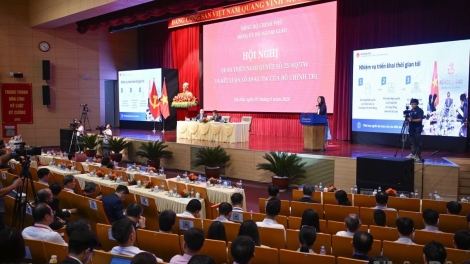
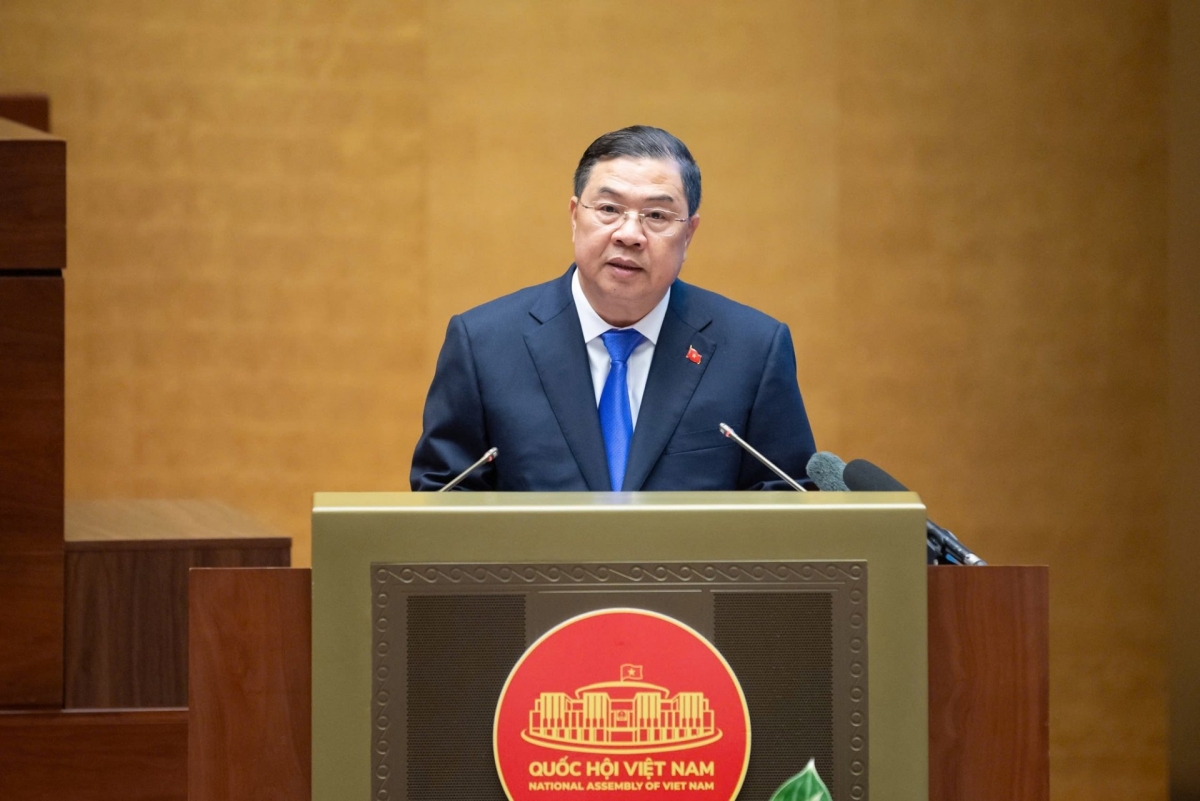
At a national conference to disseminate the Resolutions of the 3rd Plenum of the Party Central Committee, Deputy Prime Minister Pham Gia Tuc said: “Climate change response is a particularly important task directly related to people’s livelihoods and sustainable development. This is the responsibility and obligation of the entire political system, organizations, businesses, communities, and every citizen. People and their quality of life must be placed at the center of all development decisions.”
This aligns with international human rights standards and affirms Vietnam’s commitment to safeguarding human rights against severe challenges. The World Bank warns that climate change could wipe out a decade of growth and push more than a million Vietnamese back into poverty. In addition to a significant loss of life, economic losses caused by unexpected storms and floods in recent years could reach billions of dollars.
Conclusion No. 75 requires at least 2% of annual State budget expenditure to be allocated to environmental protection, tightening control over major sources of emissions, and tackling pollution in major urban areas. These measures are essential to protecting citizens’ legitimate right to health.
Livelihoods and just transition
The effects of climate change are unequal. The most vulnerable groups – ethnic minority communities in mountain areas, coastal residents, and the urban poor – are hit the hardest by storms, floods, landslides, and tidal surges.
From a human rights perspective, State policies to protect vulnerable groups are a measure of social justice. Conclusion 75 sets out an action-oriented approach – re-plan residential areas, relocate people from high-risk areas, and ensure that they have sustainable livelihoods.
In recent years, tens of thousands of households have been relocated from dangerous areas, and hundreds of thousands of hectares of rice fields have been converted to shrimp-rice farming or climate-adaptive agricultural models to safeguard food security.
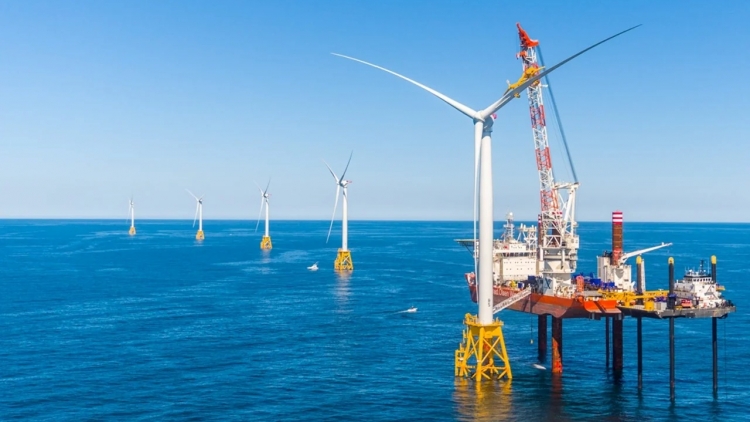
Vietnam has made a strong commitment to achieving Net Zero by 2050. It must ensure a "just transition". The shift to a green, circular economy will alter the structure of employment. The Resolution’s proposal to "organize vocational training programs and provide livelihood support during the green transition" represents the State’s commitment to ensuring people’s right to work and earn a livelihood during the transition.
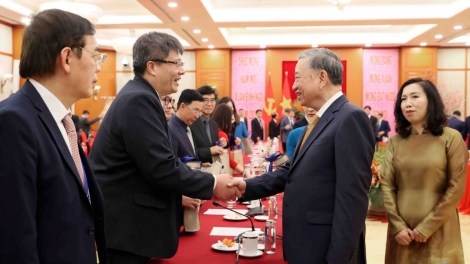
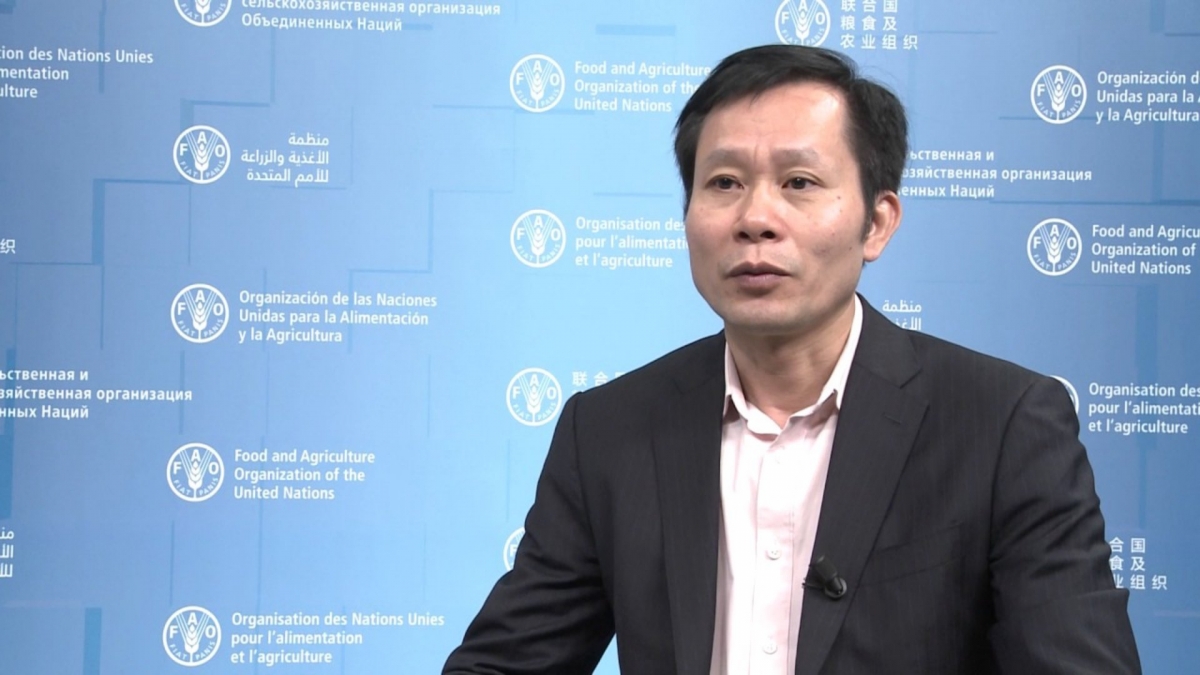
Dao Xuan Lai, an expert in sustainable development, energy transition, and environmental protection, said: “Vietnam is committed to addressing climate change-related issues. In Vietnam, environmental protection supports future sustainable economic development.”
Conclusion 75 of the 3rd Plenum of the 14th Party Central Committee has established a comprehensive policy framework with a vision to 2030 and 2045 that places the protection of human rights at the core of climate change response.