

 Vietnamese
 中文
中文
 日本語
日本語
 한국어
한국어
 Français
 Русский
 Deutsch
 Español
 Bahasa Indonesia
 ไทย
ไทย
 ພາສາລາວ
 ខ្មែរ
ខ្មែរ




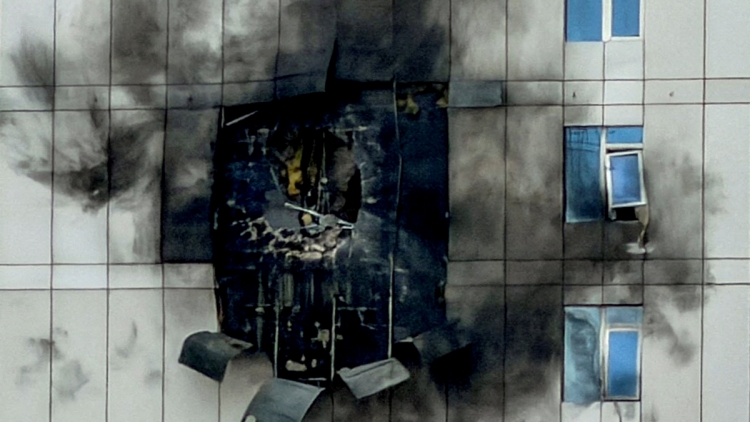
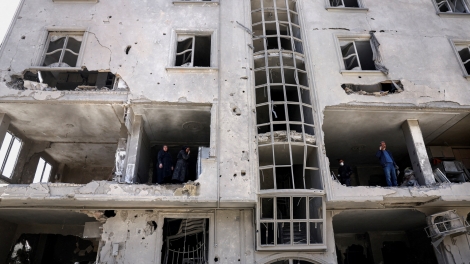
In a morning strike, Iranian cluster-munition missiles hit a parking area near the Kirya military base in Tel Aviv, which houses the headquarters of the Israel Defense Forces (IDF). A full report on casualties from the attack has yet to be released.
Alongside the strikes from Iran, Israeli media reported that Houthi forces in Yemen and the Hezbollah movement in Lebanon also launched missiles and rockets toward Israel's territory.
In retaliation, the Israeli Air Force carried out airstrikes on multiple Iranian government-linked targets, including petrochemical facilities in southern Iran. The IDF said the attacks had brought operations at a key chemical processing center to a halt.
Israeli Prime Minister Benjamin Netanyahu said on Saturday that Israel will continue to strike Iran with force. A senior official from the Israeli Ministry of Defense added that the military is awaiting a signal from the US administration regarding potential strikes on Iran’s energy infrastructure. The remarks followed a social media post by US President Donald Trump on Friday, stating that with just a little more time, the US can easily secure the Strait of Hormuz.
Public reactions to the escalating conflict were also evident across the region. On Saturday, tens of thousands of Iraqis in Baghdad and other cities took to the streets to protest and condemn the actions of the US and Israel against Iran. In Baghdad, demonstrators gathered at Tahrir Square, waving Iraqi flags and chanting slogans opposing the US and Israel.