







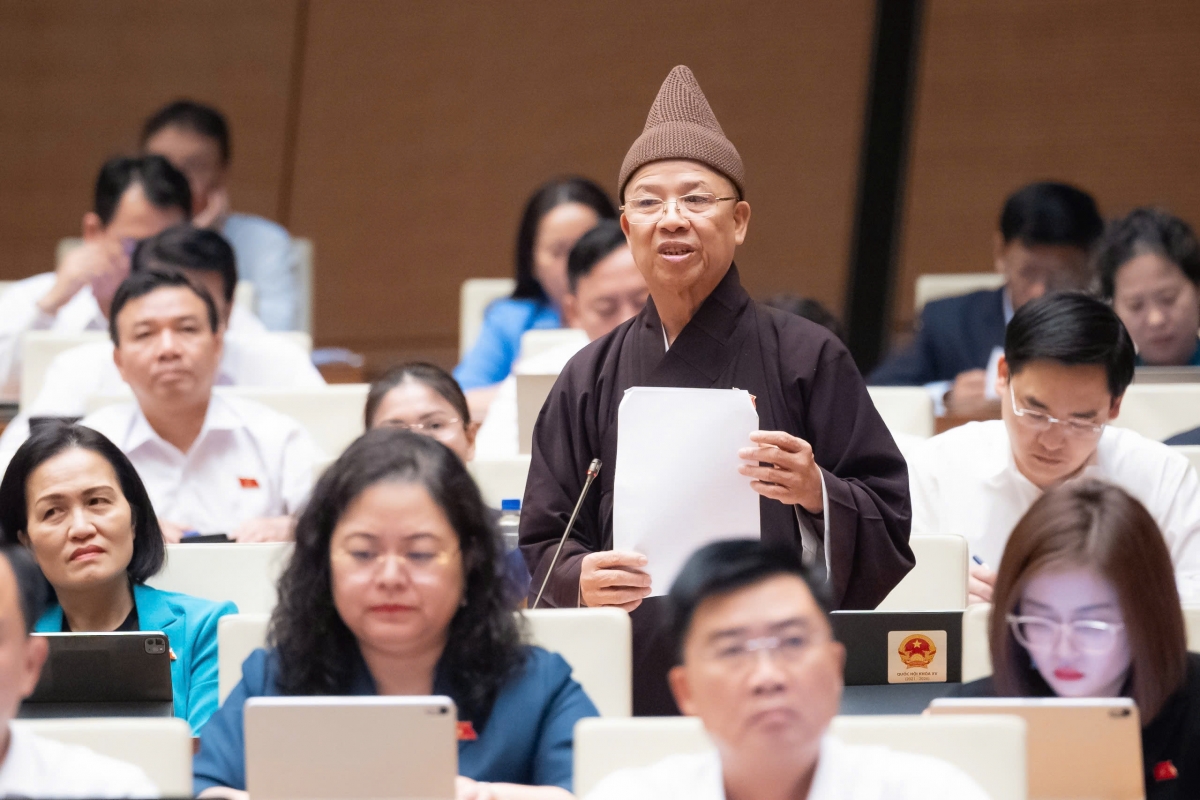
Deputies agreed that the draft Law on Beliefs and Religions regulates religious activities in cyberspace, demonstrating a response to the development of the digital society. The amendment is not intended to tighten or restrict freedom of belief, but rather to create a healthy digital environment for religious communities, they said.
“I propose further specifying the criteria for identifying violations and the coordination process between relevant entities, especially in detecting, preventing, and handling violations on cross-border digital platforms. There should be clarification between freedom of religion and the exploitation of religion to distort, incite, and divide the national unity,” said Venerable Thich Thanh Quyet, representing Quang Ninh province.
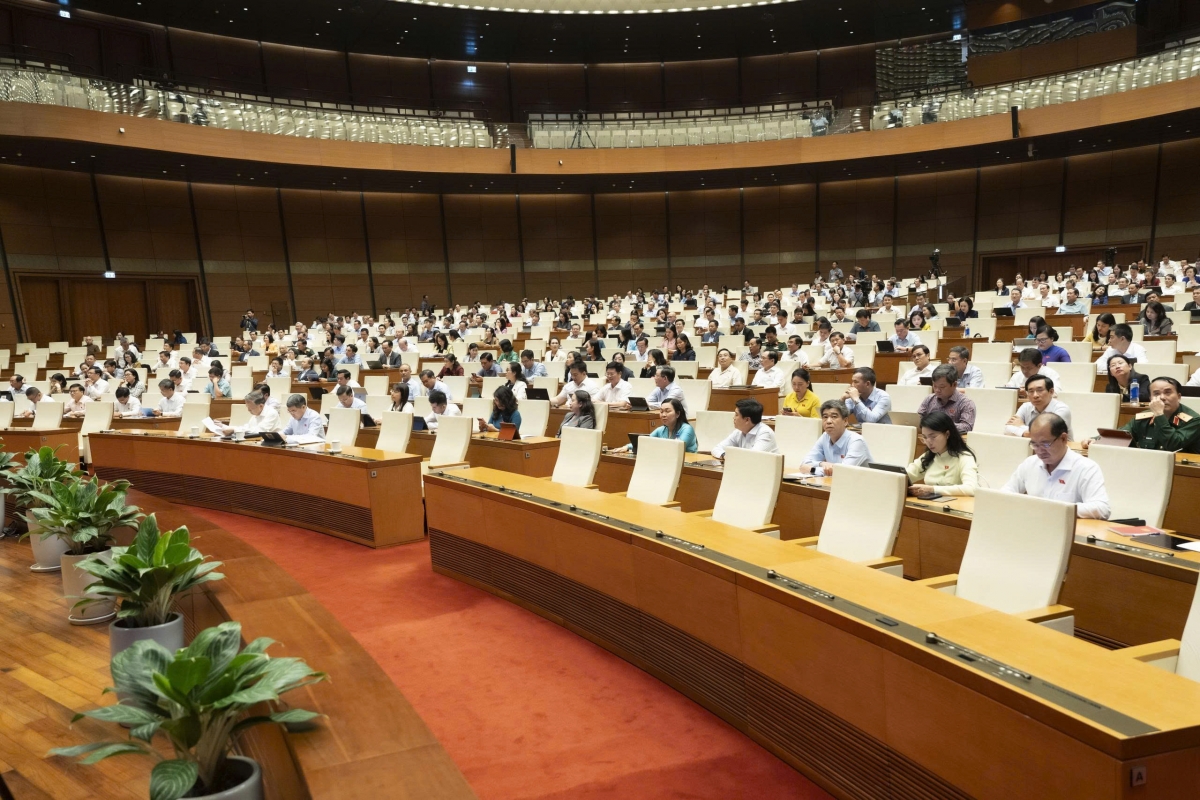
Cyberspace has now become the second base of belief and religion for millions of believers. According to a report from the Government's Religious Affairs Committee, direct preaching, teaching via social media, and online rituals are widespread.
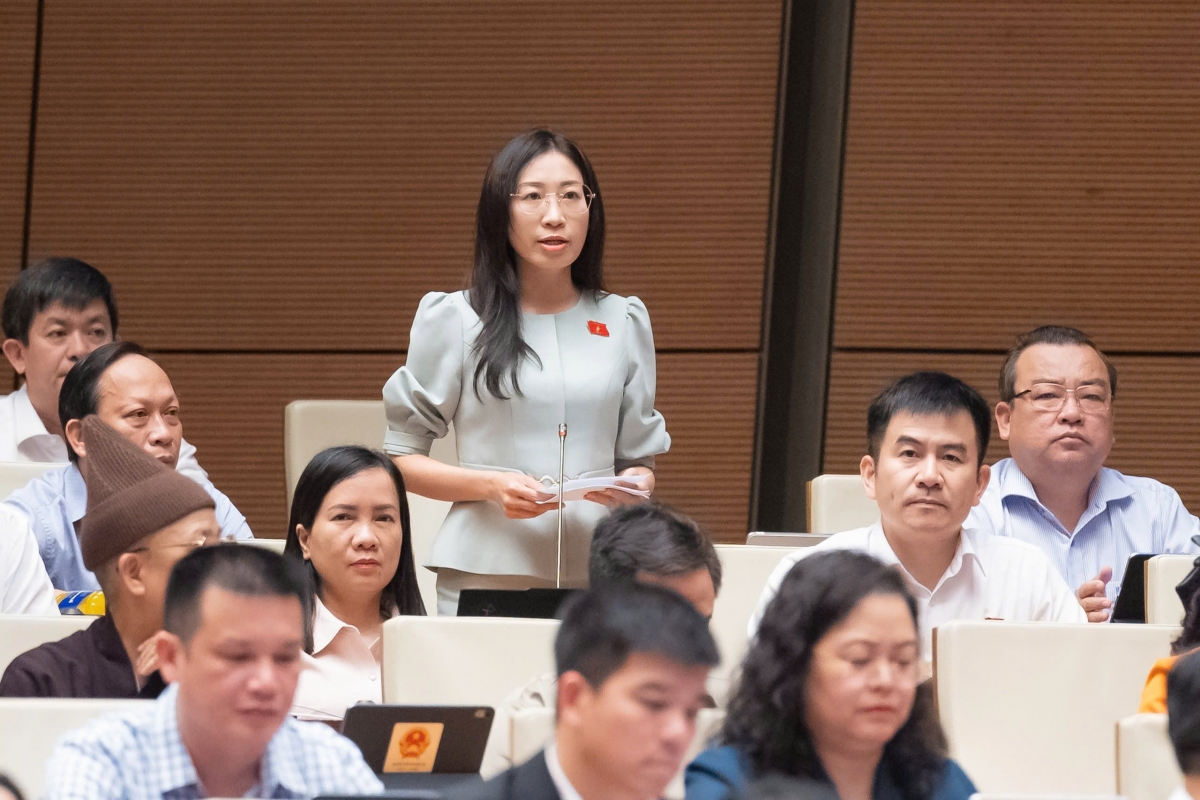
“Adding regulations on religious activities in cyberspace to the Law is a step to fill the legal gap between the law and digital life. I propose adding regulations on identifying and verifying accounts of religious organizations and individuals conducting religious activities in cyberspace. This is a measure to protect legitimacy, not only making it easier for State management but, more importantly, helping believers distinguish between legitimate and genuine sources. It will help place their faith in the right place, protect the reputation of genuine religious organizations, and also protect the cultural security of the nation,” said Hoang Thi Thanh Thuy, a deputy from Tay Ninh province.
