

 Vietnamese
 中文
中文
 日本語
日本語
 한국어
한국어
 Français
 Русский
 Deutsch
 Español
 Bahasa Indonesia
 ไทย
ไทย
 ພາສາລາວ
 ខ្មែរ
ខ្មែរ




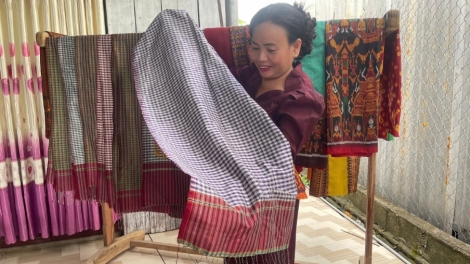
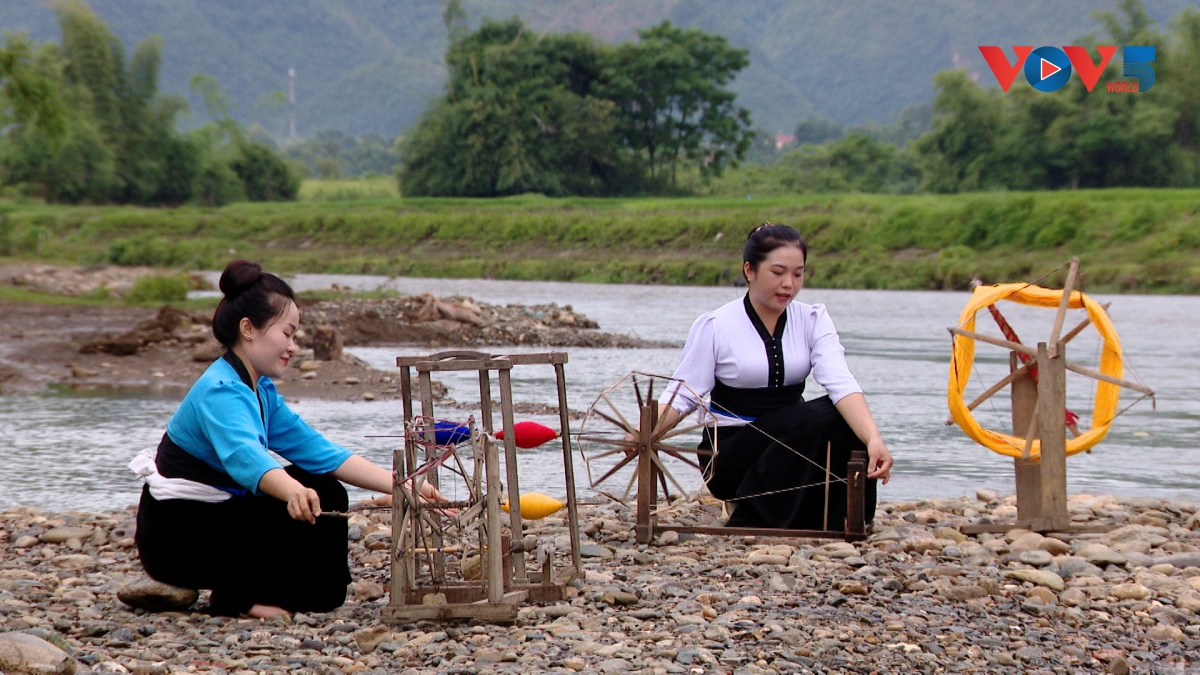
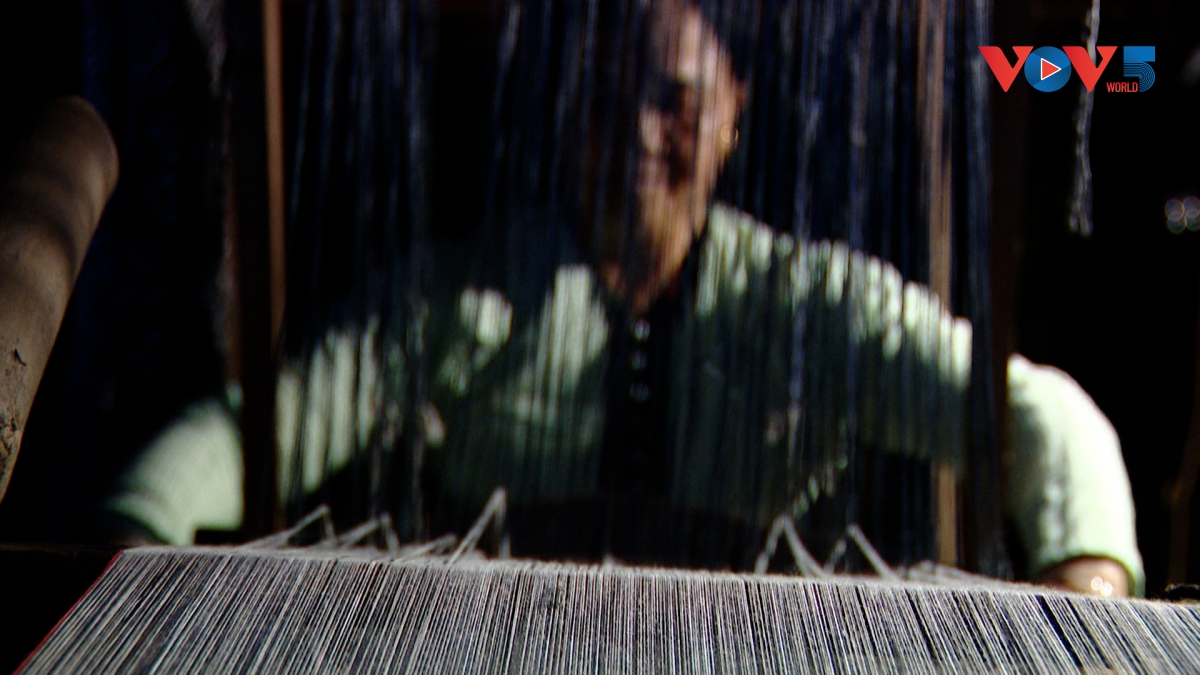
In Mrs. Dinh Thi Viet’s house, there is a small room where she keeps many traditional products of the white Thai. They are black and red blankets, pieces of green and yellow fabric, and purple scarves which she has handwoven by herself. Working by the loom every day, she diligently weaves fabrics with typical patterns of the white Thai.
Mrs. Viet said: “Whatever patterns I imagine, I can weave them that way. I try on the loom to mix color threads creatively. In the past, young people of our age were hardworking and diligent. We worked during the day, and in the evenings. We gathered to weave together under oil lamps, staying until the early morning.”
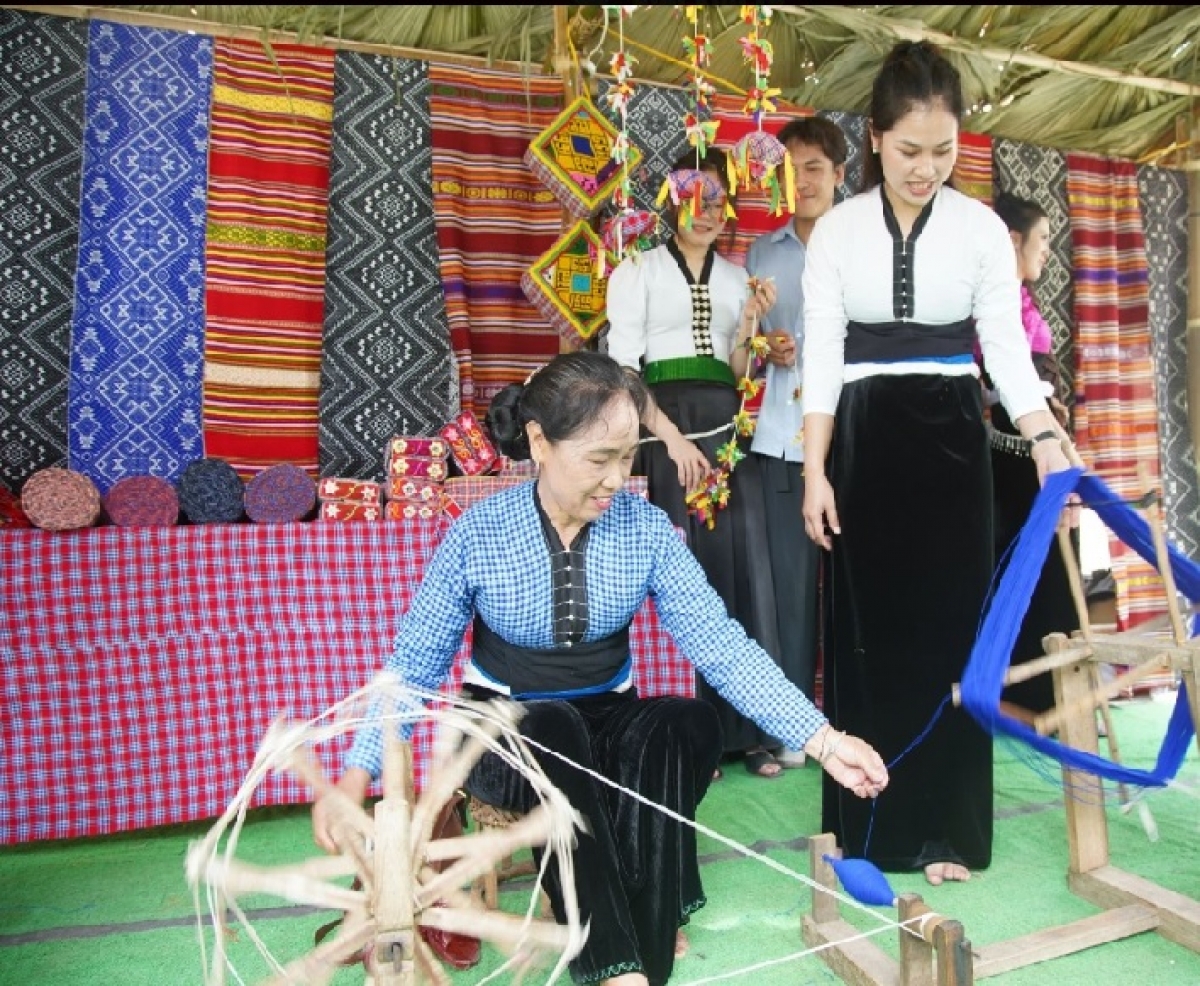
In the past, every household had a loom, and most white Thai women in Phu Yen could weave. There was a time when the craft seemed to fade. Over the past five or six years, the practice of weaving has been revived, and traditional textile products continue to play an important role in the lives of the White Thai people.
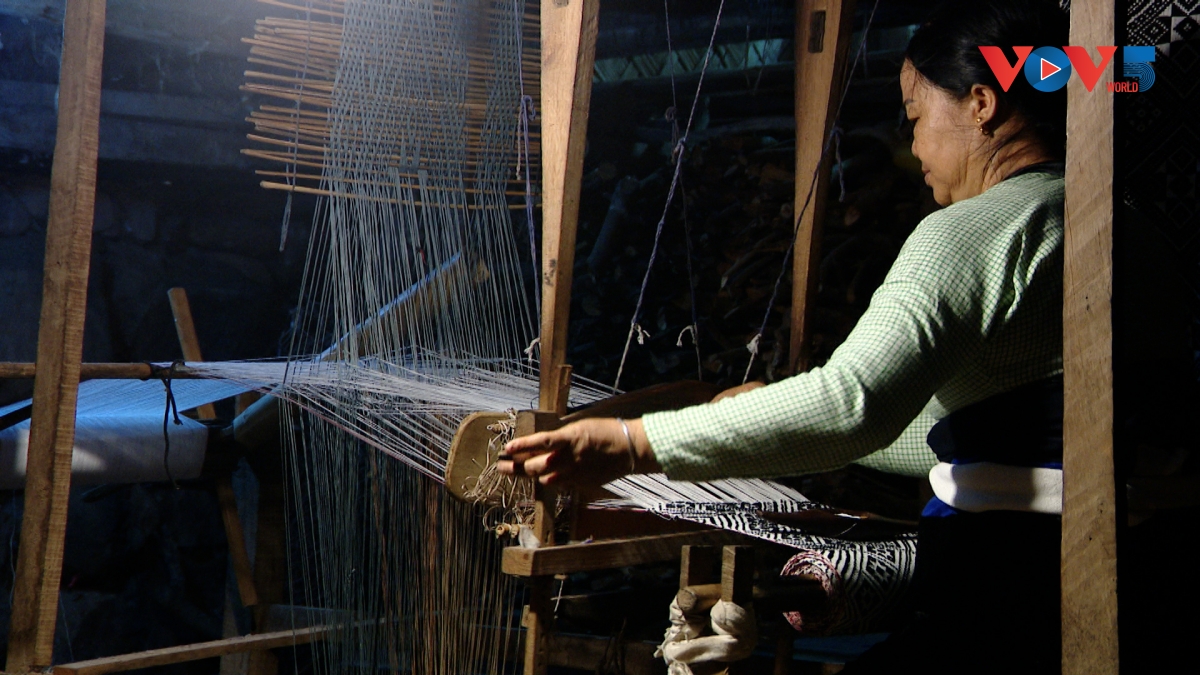
Today, White Thai women continue to weave each evening, after completing their fieldwork and household duties.
Sounds from the yard beneath Mrs Hoang Thi Hien’s stilt house, echo the intermittent sound of wooden parts striking each other. In those quiet pauses, the weaver carefully places each thread in the correct position to create the desired patterns. White Thai women say that weaving blankets requires the most complex techniques and a specialized loom with many components. Blankets come in two main colors, black and red. They also weave a white base layer beneath the main layer, said Mrs. Hoang Thi Hien.
“Weaving the blanket surface is more difficult, which requires more steps to create patterns. I learned from the elders. In the past, we had to grow cotton, spin yarns before weaving,” said Hien.
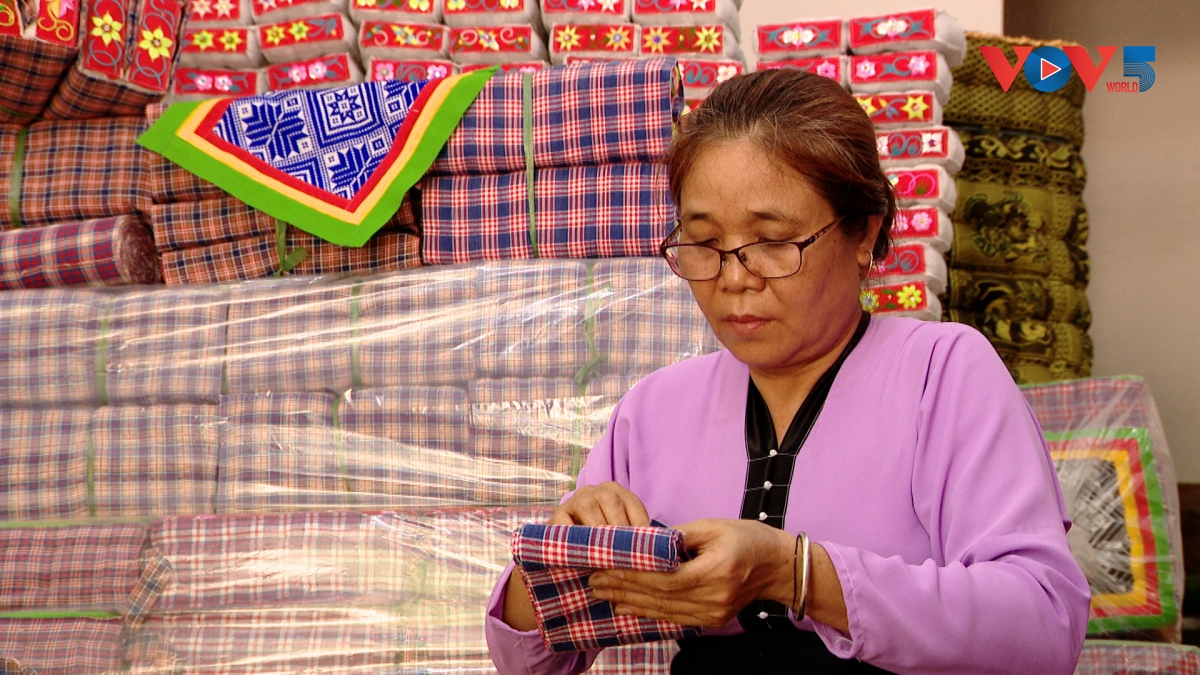
Black and red blankets are among the gifts that a daughter-in-law gives to her husband’s family when she gets married. Mrs. Le Thi Poi said: “In the past, people said a girl had to make ten blankets and ten mattresses before getting married. She prepares gifts for her husband’s family, such as two pair of pillows for the grandparents and parents, a pair of blankets, a pair of mattresses, and cushions. It’s the tradition of the white Thai.”
The cushion is a traditional item of the Thai people, which is made from fabric, about15–20 cm high.
Mrs. Lo Thi Khuong, owner of a cushion shop in Phu Yen, said that in the past, she sewed cushions entirely by hand, and it took several days to complete one piece. Now, she uses a sewing machine to make about ten per day. In the past they grew cotton and wove fabric. Then they waited until the ninth or tenth lunar month to collect reed flowers, dry them and use them as stuffing. Today, cotton is commonly used instead.
In modern life, these traditional cushions remain present of white Thai households, showing the daughters-in-law’s gratitude to their husband’s families.
Mrs. Khuong said: “I’ve loved this craft since I was young. My grandmother taught me. She told me to watch others weaving or sewing, then practice at home. Nowadays, fewer people make it. But my products are still appreciated. Seeing people happy makes me happy too.”
Thanks to the women who remain devoted to traditional crafts, a part of the white Thai identity continues to be preserved.