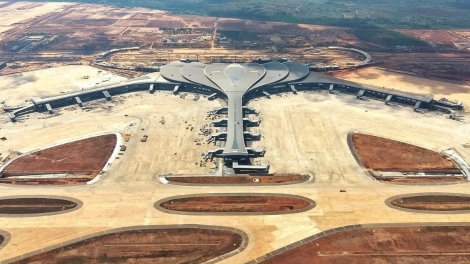



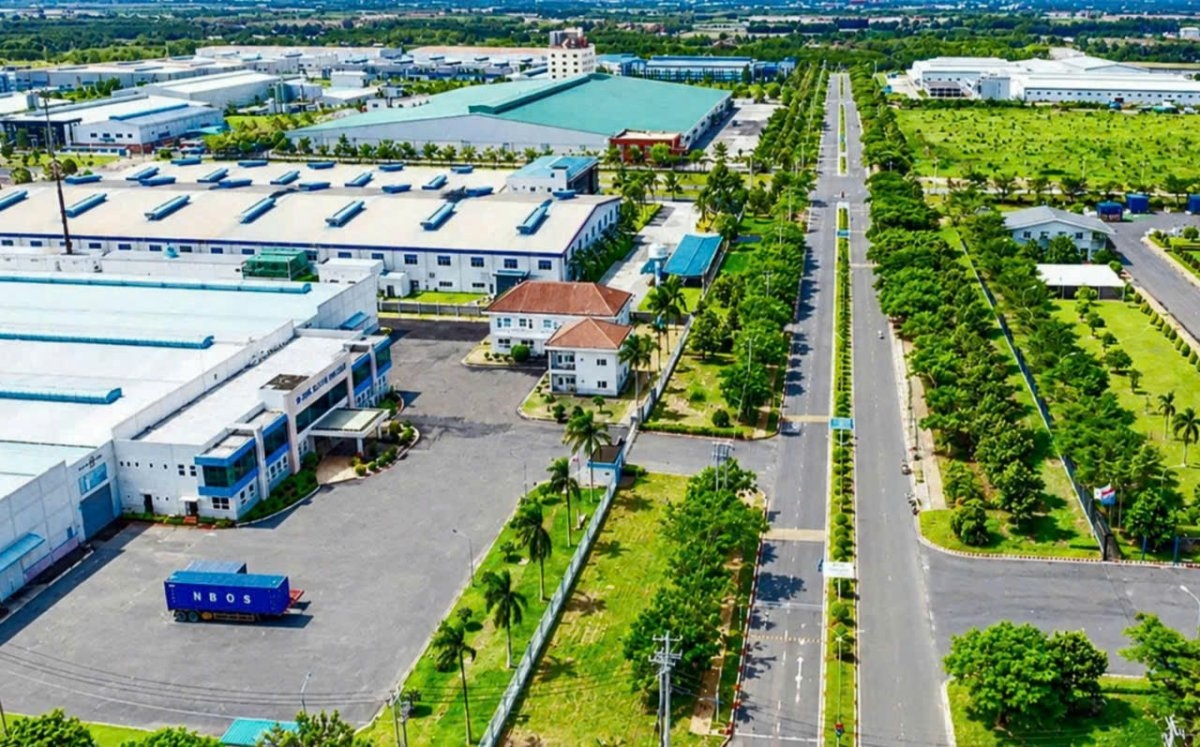
A new infrastructure network is taking shape in Dong Nai, anchored by Long Thanh International Airport, expressways, ring roads, railways, industrial parks, and transport links connecting Ho Chi Minh City with other regional hubs.
As infrastructure expands, Dong Nai’s urban landscape is changing. Formerly agricultural and outlying areas are becoming new development corridors. Major transport routes are paving the way for new urban centers, industrial clusters, logistics hubs, and commercial and service zones.
According to urban planning consultant Nguyen Bao Long, Dong Nai should organize its development zones around each area’s competitive advantages and conditions.
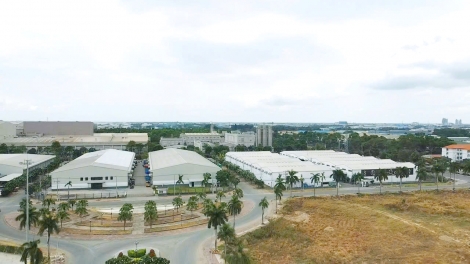
“Dong Nai will focus on modernizing and upgrading existing sectors in four key clusters,” said Long, adding, “Traditional industrial parks and clusters, for instance, will be converted into eco-industrial and green-certified parks; the border economy will be expanded, particularly at the Hoa Lu border crossing, with the development of cross-border trade zones; and clusters for agro-forestry processing, high-tech industry, and green, circular agro-forestry will be developed.”
These specialized zones could form the foundation of a modern urban landscape. Industrial expansion must go hand in hand with logistics, with efficient connections to airports, highways, and railways.
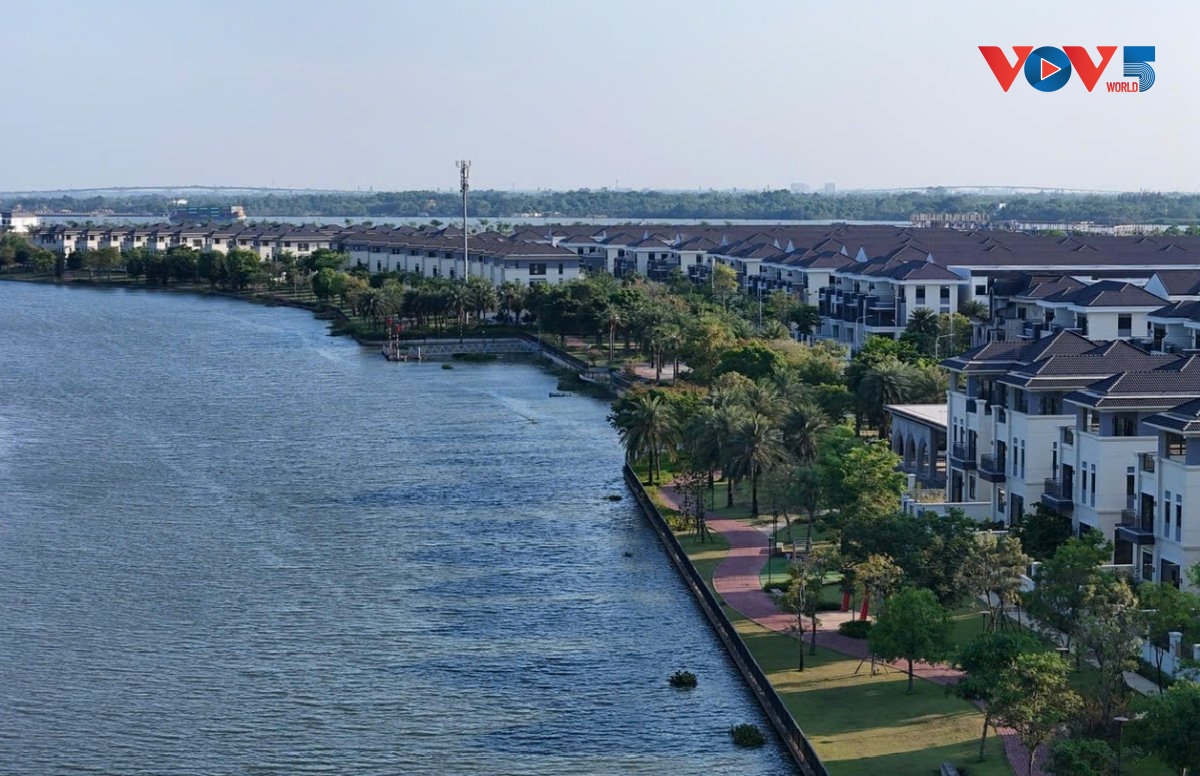
As manufacturing and service centers attract workers, urban planning must keep pace with housing, schools, healthcare, and public spaces.
Land is a critical resource in the urbanization process. Even a strategically located plot cannot reach its full potential without adequate transport links. Likewise, land earmarked for development cannot support productive industrial or residential uses if site clearance is delayed. By contrast, long-vacant land can be transformed when development projects get underway.
Nguyen Van Ba, a local resident living near the D2D Social Housing Project in Long Thanh Ward, said, “This land was fenced off for years, with no access allowed. Now we are happy that the project is underway.”
As Long Thanh Airport, transport networks, and industrial parks expand, coordinated planning is becoming increasingly urgent.
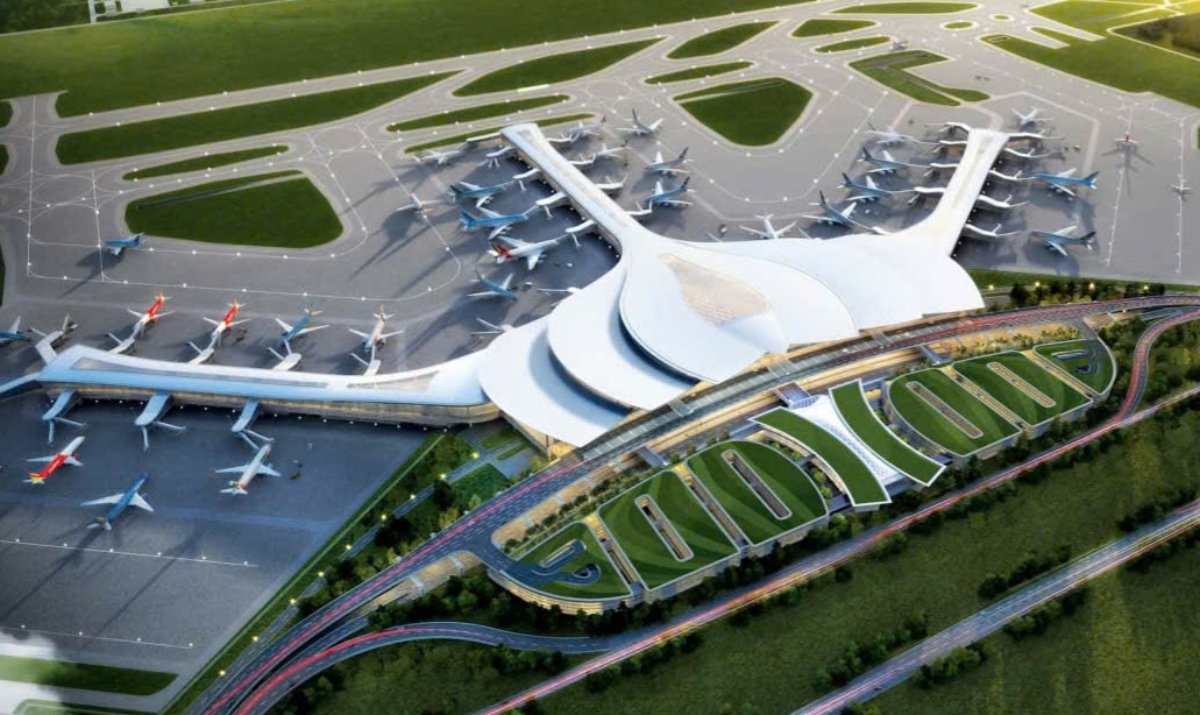
With sound planning and strong transport links, a single plot of land can be developed into an industrial park, attracting logistics operations and commercial services. These hubs, in turn, generate demand for housing, urban development, and social infrastructure. That is how land can become a lasting engine of growth.
Nguyen Van Ut, Chairman of the Dong Nai City People’s Committee, said that Dong Nai City is urgently formulating its master plan.
“We are carrying out this task with strong determination and high standards. Dong Nai will operate under a single, unified master plan, integrating all sub-zone plans into an overarching vision,” Ut added.
When airports, expressways, industrial centers, and residential communities are planned as interconnected parts of a unified system, infrastructure can truly transform urban life. Dong Nai’s goal is therefore not simply to expand its urban footprint, but to build a well-connected, highly livable urban environment that can sustain its next phase of growth.