







B: Let’s begin with a message from Romania. Vicentiu Gheorghe sent congratulations on the launch of VOV5’s newly redesigned website.
A: Yes, he wrote that the new platform is modern, user-friendly, and significantly enhances the experience for international audiences. He believes this is an important step forward in strengthening global connections.
B: Thank you, Vicentiu. Your feedback reflects what many listeners have shared this week that the new interface is not just a technical upgrade, but a bridge bringing Vietnam closer to the world.
A: From Italy, Fabrys appreciated the modern design but noted that the weekly broadcast schedule is now harder to find compared to the previous layout.
B: From Spain, Juan Diez also welcomed the redesign but experienced some initial difficulties accessing content and posting comments.
A: These are valuable observations. To our listeners, we’re continuously refining the website based on your feedback. Improvements to navigation and accessibility are already underway.
B: Now let’s see what we have from India. There’s an email from Chinmoy Mahato, President of the Guide International Radio Listeners Club.
A: “Voice of Vietnam is one of the most popular radio stations in the world… VOV always respects all kinds of listeners… That’s why all listeners like and love Voice of Vietnam,” he wrote.
B: That’s truly touching. Chinmoy also highlighted how VOV presents Vietnam’s social, political, and economic life, along with interactive features like quiz contests and additional listener engagement.
A: And he ended with a cheerful note that he’ll be back with more letters and is eagerly waiting for a registered parcel from us!
B: Chinmoy, we appreciate the enthusiasm of you and your radio club.
A: Next, we received a beautiful cultural message from Egypt. Listener Sami Mosaad introduced us to Sham El-Nessim, an ancient Egyptian spring festival.
B: He described how families go outdoors to parks and along the Nile, to celebrate nature. Traditional foods include salted fish, green onions, lettuce, and colorful eggs, symbolizing renewal and life.
A: It’s fascinating how spring festivals around the world share similar themes: renewal, family, and hope. In Vietnam, we also celebrate seasonal transitions with festivals rich in symbolism.
B: Sami, thank you for sharing this glimpse into Egyptian culture. It reminds us how traditions, though unique, often connect universally.
A: Now, let’s turn to our dedicated DXers, those who carefully monitor radio signals. From Pakistan, Abid Hussain Sajid sent us a reception report.
B: He listened via Web SDR from Tambov, Russia, on April 4, from 16:00 to 16:30 UTC, on frequency 7220 kHz. Signal quality was rated SIO 444—good signal overall.
A: He also included an audio recording. Thank you, Abid! Your detailed reports help us improve our broadcasts.
A: From Bangladesh, Sinthia Sethe sent warm wishes celebrating the Bengali New Year 1433.
B: Thank you, Sinthia! Festivals like these highlight the rich cultural diversity of our listeners.
B: From India, Shivendu Paul of the Murshidabad Betar Shrota Poribar also sent a comprehensive report. He monitored our English programs on April 1 and 4, noting moderate reception with SINPO 43333.
A: Shivendu also shared a nostalgic story: “When I was a student, in the summer we bought bamboo-stick ice cream from bicycle vendors outside school…”
B: That image is so vivid! It correlates strongly with Vietnam, where mobile ice cream vendors, often with bells, are a nostalgic and still familiar sight in some neighborhoods. Like Shivendu Paul, Eko Endri Wiyono from Indonesia asked:
How popular are cold drinks and ice cream in Vietnam?
A: In Vietnam, cold drinks and ice cream are extremely popular, especially during the hot summer months when temperatures exceed 35°C. You’ll find a wide variety, from traditional iced tea and fresh fruit juices to modern bubble tea and smoothies.
A: Ice cream is equally beloved. From street vendors selling simple popsicles to stylish cafes offering artisanal gelato, there’s something for everyone. And just like in India, cold drinks and ice cream are commonly served at birthdays, weddings, and even business meetings, though tea and coffee remain the most traditional choices.
B: Next, listener Sokunthearith from Phnom Penh asked about the Khmer New Year, Chôl Chnăm Thmây, celebrated by Khmer communities in Vietnam.
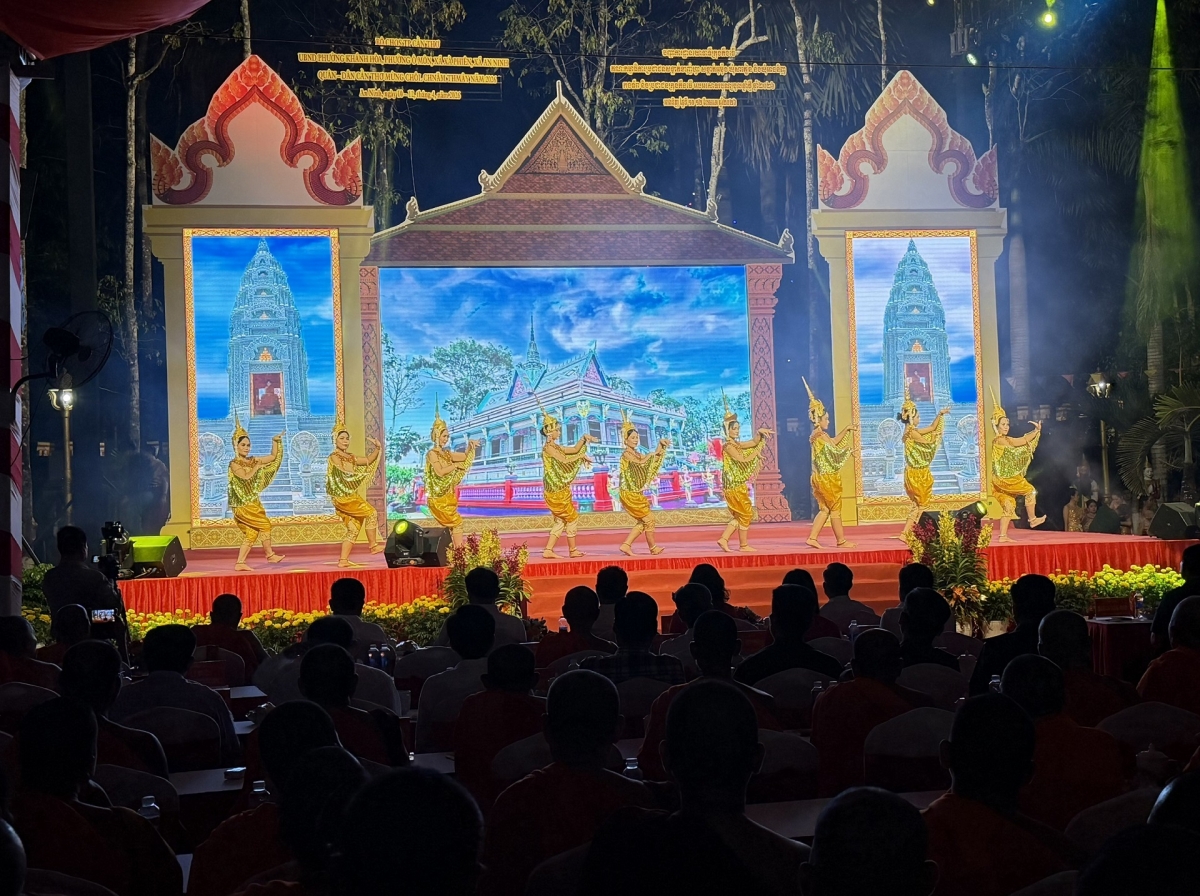
A: Chol Chnam Thmay, the traditional New Year festival of the Khmer people, often referred to as the Khmer New Year, is the most important annual celebration of the Khmer ethnic community in Vietnam. It is widely observed in provinces with large Khmer populations such as An Giang, Vinh Long, Can Tho, and Ca Mau.
B: This festival marks the beginning of a new year according to the traditional Khmer calendar. The name “Chol Chnam Thmay” literally means “entering the new year.” It also signifies the transition from the dry season to the rainy season, closely tied to the agricultural life of the Khmer people.
A: This year the festival takes place over three days, from April 14 to April 16. It is a time for families to reunite, set aside daily work, and take part in religious and cultural activities.
B: During the celebration, Khmer communities perform traditional rituals such as welcoming the New Year, bathing Buddha statues, offering food to monks, and worshipping ancestors. Alongside these spiritual practices are folk singing and dancing, traditional games, and water-splashing rituals that symbolize blessings and good fortune. These cultural activities create a joyful, festive atmosphere that strengthens community bonds.
A: Beyond celebrating the New Year, Chol Chnam Thmay wishes for favorable weather, abundant harvests, and prosperity. It is also a meaningful occasion for younger generations to honor their ancestors and preserve the rich cultural heritage of the Khmer people.
B: Khamsi from Laos asked about the Hung Kings’ Commemoration Day.
A: This is one of Vietnam’s most important national holidays, held annually on the 10th day of the third lunar month. It falls on April 26 this year. It honors the legendary Hung Kings, considered the founders of the Vietnamese nation. On that day, thousands of people gather at the Hung Temple in Phu Tho province to pay tribute, offer incense, and celebrate national identity.
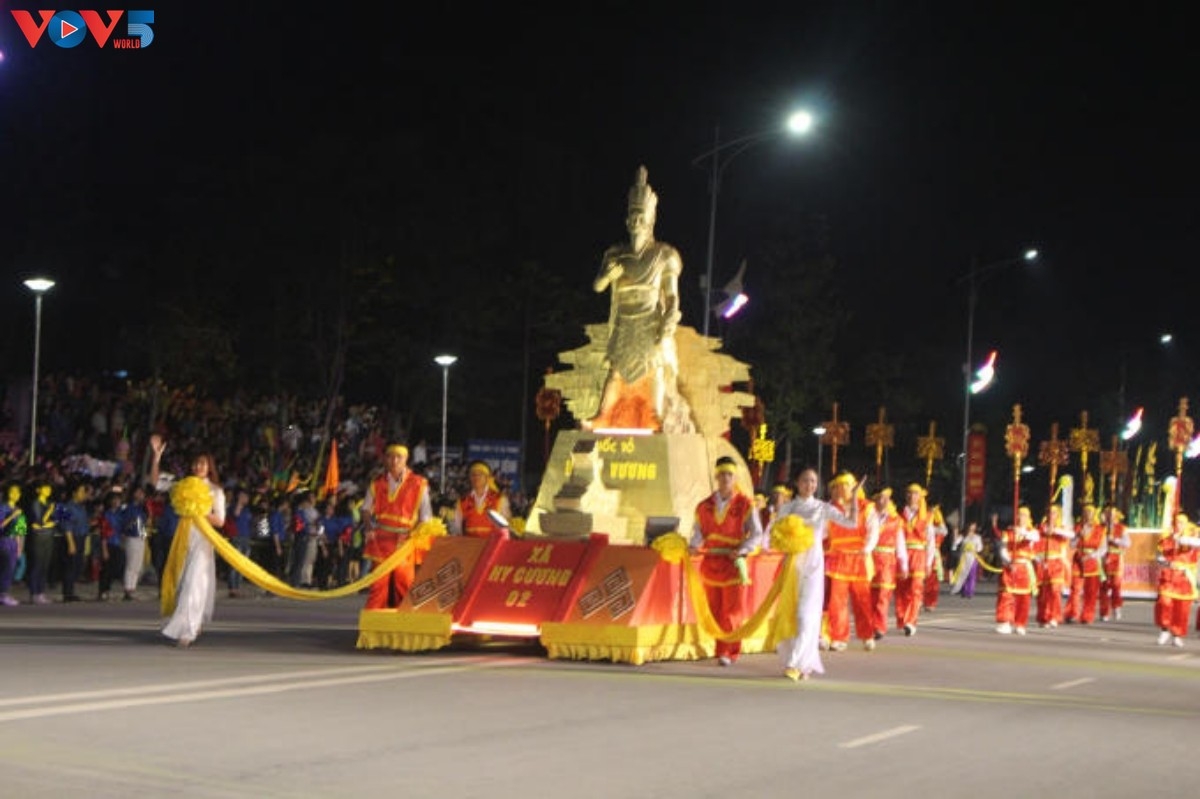
B: A lineup of events from now to April 26 will include cultural camps, local product showcases, a Phu Tho province art festival, and square and round sticky rice cake contests. A highlight will be a street folk culture festival linked with the “Colors of the Ancestral Land” tourism program and featuring exciting art performances.
A: There will also be a marathon, a golf tournament, boat racing, swimming races, and an orchid exhibition. Phu Tho province will also offer a night tour of the Hung Temple relic site.
A: Let’s head to Brazil, where José Moacir Portera de Melo shared his thoughts on Vietnamese music. He wrote: “Through music programs, I can clearly feel the harmony between modern life and the preservation of traditional values.” He also expressed his love for Asian music, Japanese, Korean, Chinese, and Vietnamese, highlighting their strong presence on international radio waves.
B: Music truly transcends borders, and we’re delighted that our programs bring Vietnam’s cultural identity closer to global audiences.
A: From India, listener Najimuddin shared how our programs have helped him learn more about Vietnam. He especially enjoys the World News and Discover Vietnam segments, praising their reliability and engaging content.
A: Thank you, Najimuddin. That’s exactly what we aim for informative and trustworthy storytelling.
A: Whether you’re listening from a city, a village, or tuning in via the internet, you are part of the Voice of Vietnam family.
B: Keep writing to us, sharing your cultures, your questions, and your listening experiences.
A: Until next time, goodbye and happy listening!


