







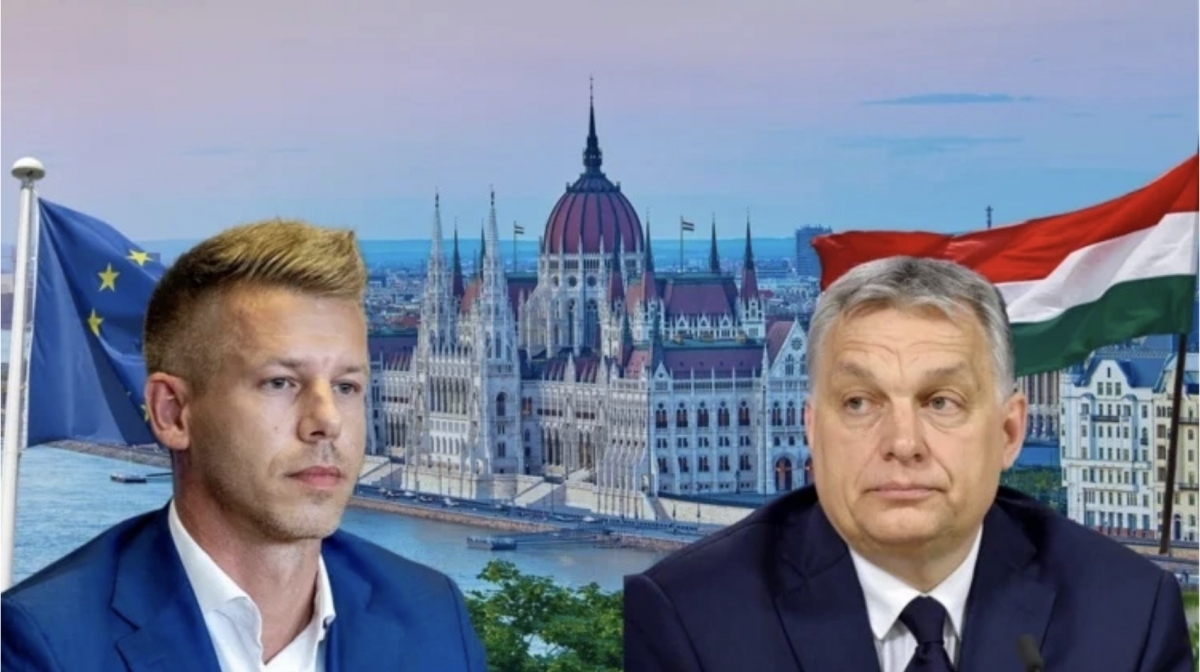
The race pits Prime Minister Viktor Orbán, who has held power since 2010 and is seeking another term, against opposition leader Péter Magyar of the Tisza Party in a fiercely contested showdown.
Opinion polls suggest the party of pro-European conservative Peter Magyar, who has promised a "system change", is running well ahead of that of Orban. Meanwhile, smaller parties such as the Homeland Movement and the Democratic Coalition are also vying for seats in parliament, with support levels hovering around the 5% threshold.
Voter turnout is expected to be higher than in previous elections, and the final outcome remains difficult to predict amid a volatile geopolitical environment and a large number of undecided voters.
Hungary’s election is drawing significant international attention. US President Donald Trump promised to give economic support to Hungary if needed by Prime Minister Viktor Orbán, reiterating his backing for the Hungarian leader just hours ahead of a crucial election in the country.
Several Eastern European leaders have expressed similar support. Observers note that the election’s outcome is likely to not only reshape Hungary’s domestic political landscape but also significantly influence its future foreign policy and its ties with the European Union, Russia, and the United States.
