





 Vietnamese
 中文
中文
 日本語
日本語
 한국어
한국어
 Français
 Русский
 Deutsch
 Español
 Bahasa Indonesia
 ไทย
ไทย
 ພາສາລາວ
 ខ្មែរ
ខ្មែរ




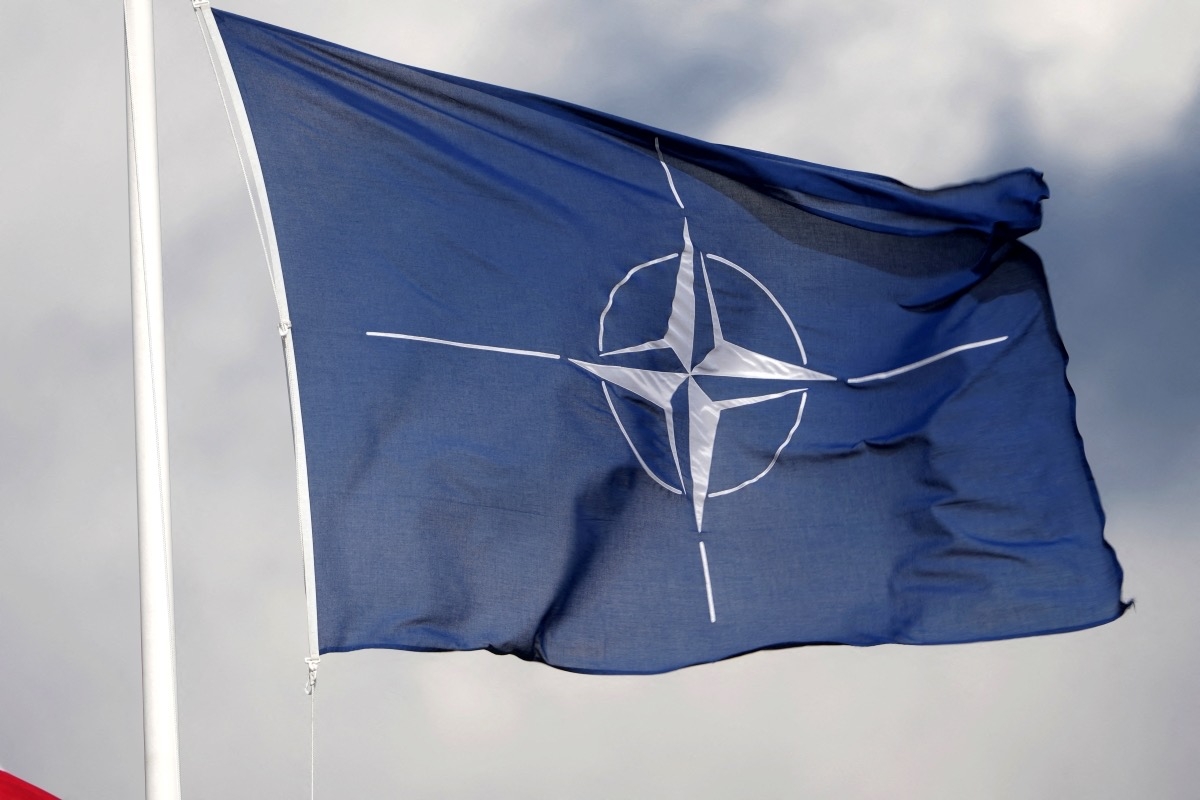
In his Address to the Nation on Wednesday, President Trump said he is seriously considering withdrawing the US from NATO, the military alliance established in 1949 in which the US has played a leading role.
From disappointment to anger
Trump’s threats to withdraw from NATO have increased in both frequency and intensity as he has grown dissatisfied with responses to the Iran conflict by the NATO allies. At the beginning of the conflict, no other NATO member publicly supported US-Israel military actions against Iran. Later, when Iran blocked the Strait of Hormuz, President Trump’s call for an international coalition to “liberate” the Strait was met with silence or cautious statements.
When Spain, Italy and France flatly rejected US requests to launch military operations in Iran from their territory, the US administration’s disappointment turned into anger. President Trump called NATO a “paper tiger” and threatened to leave the alliance. US Secretary of State Marco Rubio said the US would have to reassess the value of NATO.
“So I think there’s no doubt, unfortunately, after this conflict is concluded, we’re going to have to re-examine that relationship. We’re going to have to re-examine the value of NATO and that alliance for our country. Ultimately, that’s a decision for the President to make. We’re going to have to re-examine whether or not this alliance that has served this country well for a while is still serving that purpose, or has it now become one-way street, where America is simply in a position to defend Europe; but when we need the help of our allies, they’re gonna deny us basing rights and they’re gonna deny us over-flight,” he said.
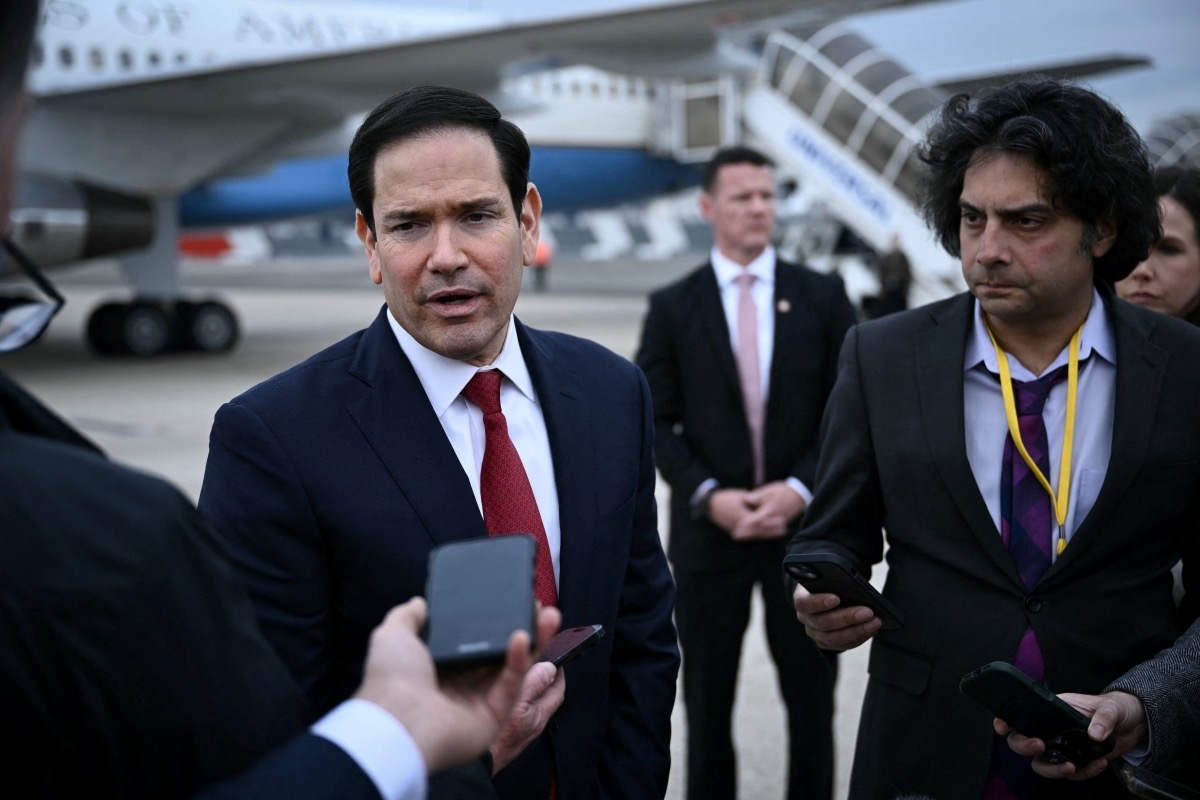
Observers say that, while Trump’s threat to withdraw from NATO in 2017 was mainly to pressure members to increase their defence spending, this time the threat is more serious, as Trump feels the allies have “abandoned” the US at a critical military juncture.
Charles Kupchan, Professor of International Relations at Georgetown University, said the current anger and recent disagreements between the US and Europe on Greenland, tariffs, and the Russia-Ukraine conflict could push the US to withdraw troops from Germany, the UK, and Poland, and reduce its security commitments to Europe.
“NATO has strong support in Congress, not just among Democrats, but among Republicans as well. NATA enjoys strong support among the US public, so there he would receive push-back. But at least, from my knowledge, there is no legal or political lever that Congress, the House, the Senate, the Pentagon could use to stop Trump from withdrawing US troops from NATO,” he said.
Europe’s response
Most European NATO members have opted for a cautious response to the US threat. Leaders of the UK, Finland, and Poland said NATO is a security pillar and a foundation for the long-term stability and prosperity of the West and the strategic interests of the US, particularly amid global geopolitical instability.
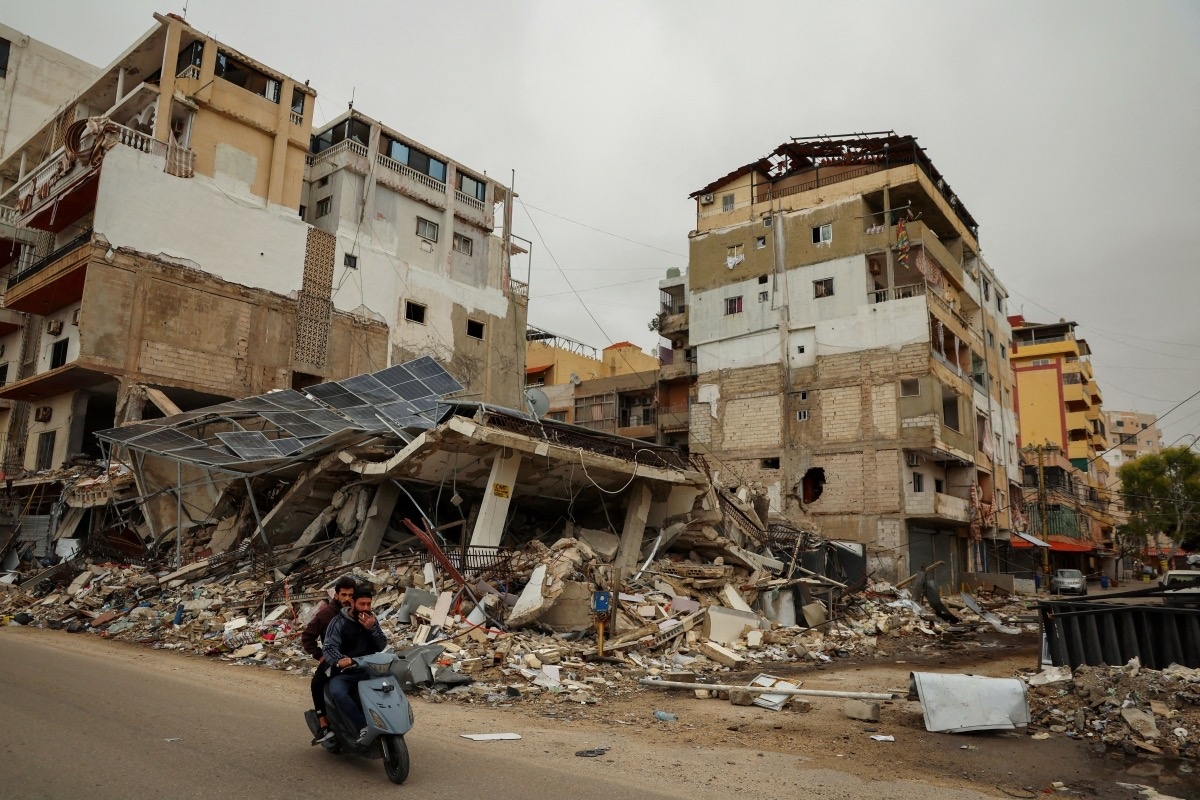
Experience in dealing with Trump’s unpredictability have helped Europe to remain calm. Prime Minister Keir Starmer said the UK continues to value NATO but is strengthening its defence and security ties with its European partners to prepare for the worst-case scenario.
Former NATO Deputy Secretary General, Camille Grand, said European NATO members remain firm in their view that NATO is a defensive military alliance. Consequently, they have no intention of supporting the US military campaign in Iran, which falls outside NATO’s geographical scope, not to mention other legal concerns. This view was echoed by Alice Rufo, Deputy Minister for the Armed Forces and Veterans of France.
“Article 5 of the NATO Treaty protects everyone. It’s not about one party protecting another. It is about collective defence and collective deterrence. NATO is a military alliance responsible for security within the Euro-Atlantic area, not for conducting operations in the Strait of Hormuz, which would not be consistent with international law.”
European countries’ refusal to support the US in the conflict with Iran also stems from Washington’s initial unilateral decision. EU High Representative for Foreign Affairs and Security Policy Kaja Kallas said Europe expected at least to be informed or consulted before the US struck Iran on February 28. Without being informed, Iran is not Europe’s war, said Kallas.
How will Europe respond if President Trump withdraws the US from NATO? Rafa Martínez, Professor of Political Science at the University of Barcelona, says that if the US withdraws its military bases from Europe, it could mark the beginning of NATO’s end. In that scenario, the US might relocate its bases to North African countries, perhaps Morocco.
Professor Martinez says this would be a costly scenario for everyone and suggests that Europe use this fact to persuade the US to reconsider.
