





 Vietnamese
 中文
中文
 日本語
日本語
 한국어
한국어
 Français
 Русский
 Deutsch
 Español
 Bahasa Indonesia
 ไทย
ไทย
 ພາສາລາວ
 ខ្មែរ
ខ្មែរ




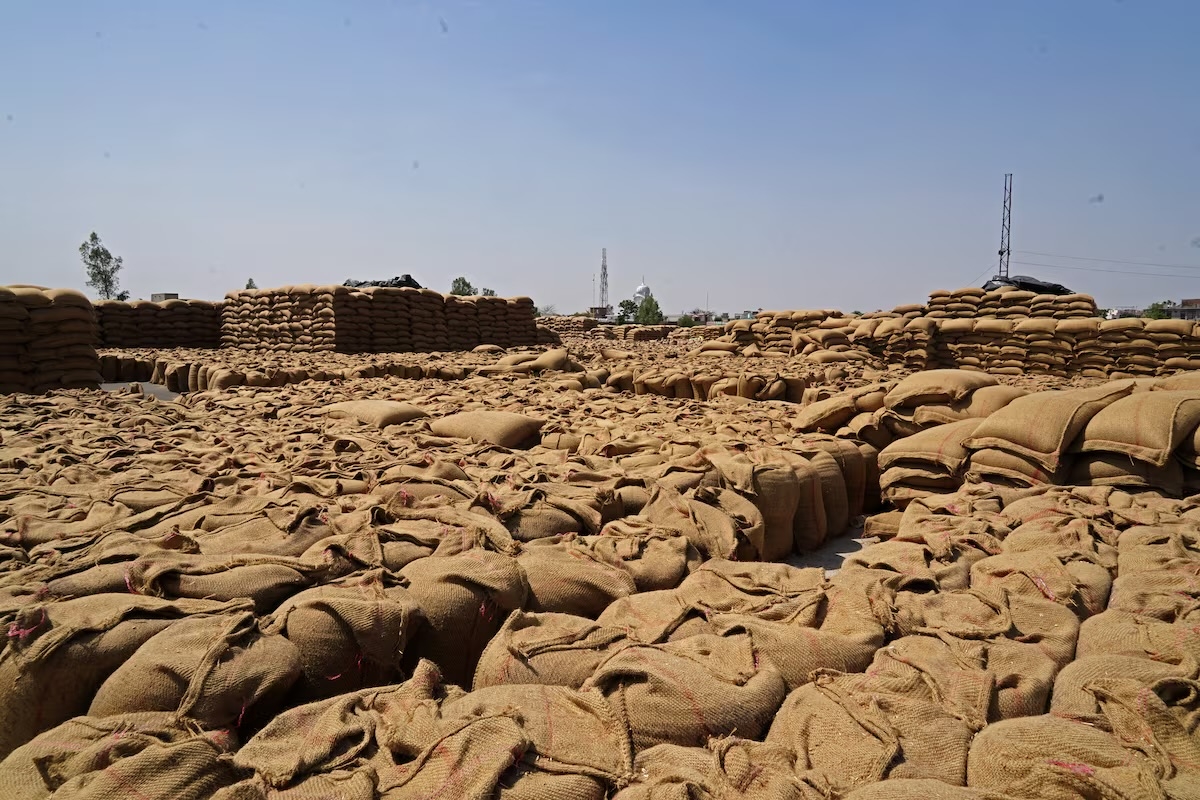
Price rises since the conflict began have been modest, driven mainly by higher oil prices and cushioned by ample global cereal supplies, FAO Chief Economist Maximo Torero said in a statement.
But if the conflict lasts over 40 days and input costs remain high, farmers may reduce inputs, plant less, or switch crops to less intensive fertiliser crops, he said.
"Those choices will hit future yields and shape our food supply and commodity prices for the rest of this year and all of the next," he added.
The FAO Food Price Index, which measures changes in a basket of globally traded food commodities, rose by 2.4% from its revised February level.
