





 Vietnamese
 中文
中文
 日本語
日本語
 한국어
한국어
 Français
 Русский
 Deutsch
 Español
 Bahasa Indonesia
 ไทย
ไทย
 ພາສາລາວ
 ខ្មែរ
ខ្មែរ




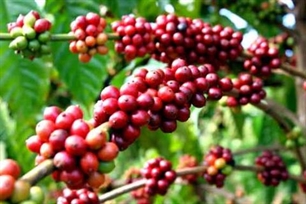
2011 saw growth in almost all the key hard currency earners, especially garments and textiles, crude oil, coffee, rubber, and rice. Apparel exports topped the list with nearly 16 billion USD. Le Tien Truong, Deputy General Director of the Garment and Textile Group says the number of signed contracts increased 52%. Mr. Truong furthers ‘Because we have focused on markets where we are most competitive to maximize business results. In the current economic climate, the basic strategy has been to increase productivity, lower production costs, improve technologies’.
 |
Dang Quang Hai, Director of the European Market Department of the Ministry of Industry and Trade points out that Vietnam’s export still depends heavily on imported material and foreign distributors. This challenge makes it harder to develop added values for major export items, according to Mr. Hai stresses ‘Because Vietnam’s exports go through intermediary dealers, we can’t protect the made-in-Vietnam brand for our products during the packaging process in a third country. We must develop a trademark to ensure quality and sustainable growth’.
Despite these problems, Vietnam’s 33 percent export growth is quite impressive. This is the biggest increase since 1997 and the trade deficit has fallen to about 10%, much lower than the target of 17.5% set by the National Assembly. Deputy Minister Nguyen Thanh Bien says ‘Export is a driving force for economic growth, helping the Government stabilize the macro-economy and bring in foreign currencies to narrow the trade deficit. Next year, the industry and trade sector targets a growth rate of 13%. Though the figure is not too high compared to this year, it will lift Vietnam’s exports past the threshold of 100 billion USD’.
