





 Vietnamese
 中文
中文
 日本語
日本語
 한국어
한국어
 Français
 Русский
 Deutsch
 Español
 Bahasa Indonesia
 ไทย
ไทย
 ພາສາລາວ
 ខ្មែរ
ខ្មែរ




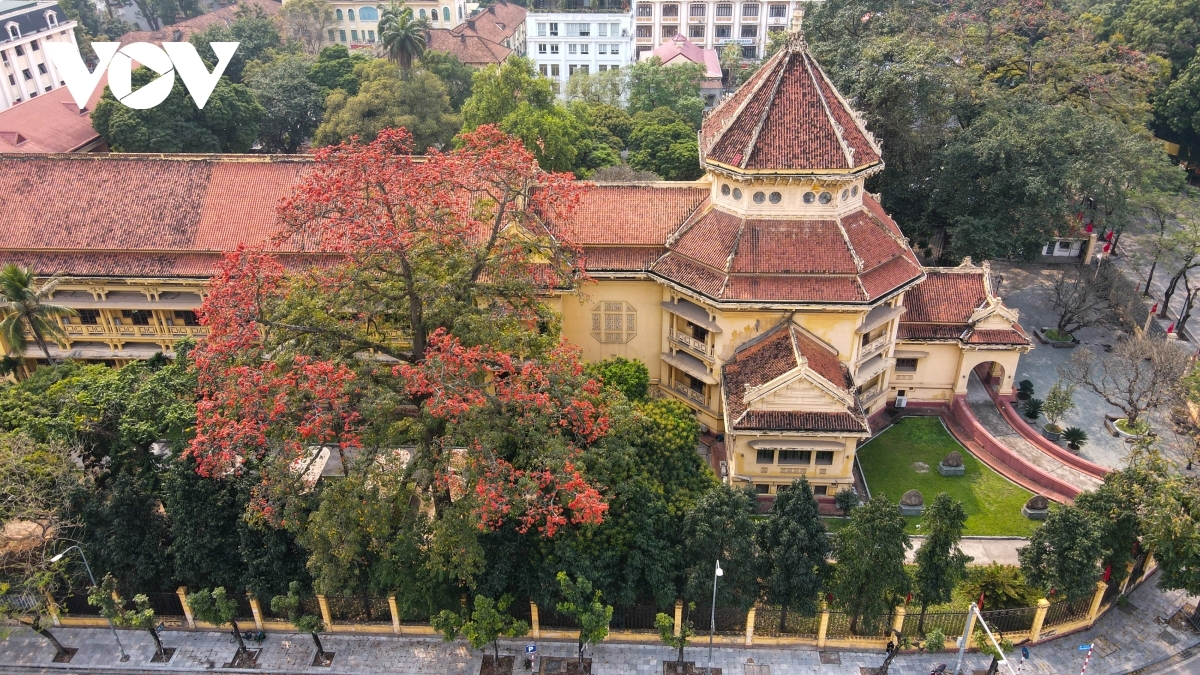 |
| The flowers are easily spotted on many streets throughout Hanoi, including Tran Khanh Du, Pham Ngu Lao, and Giai Phong. |
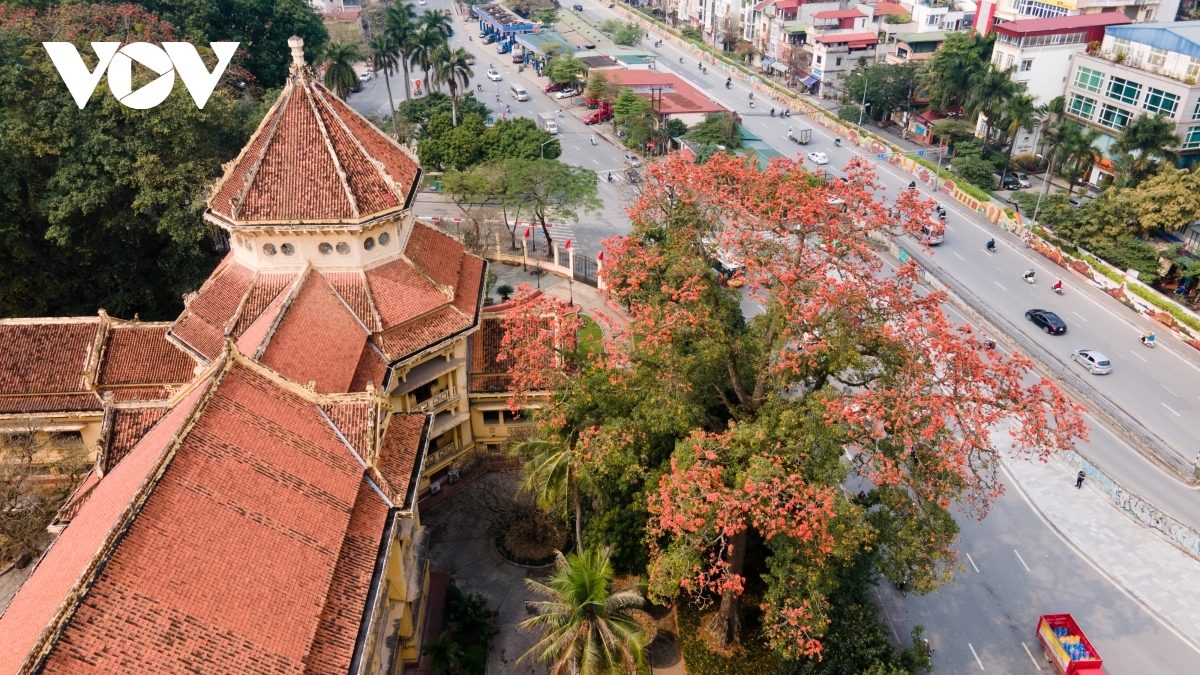 |
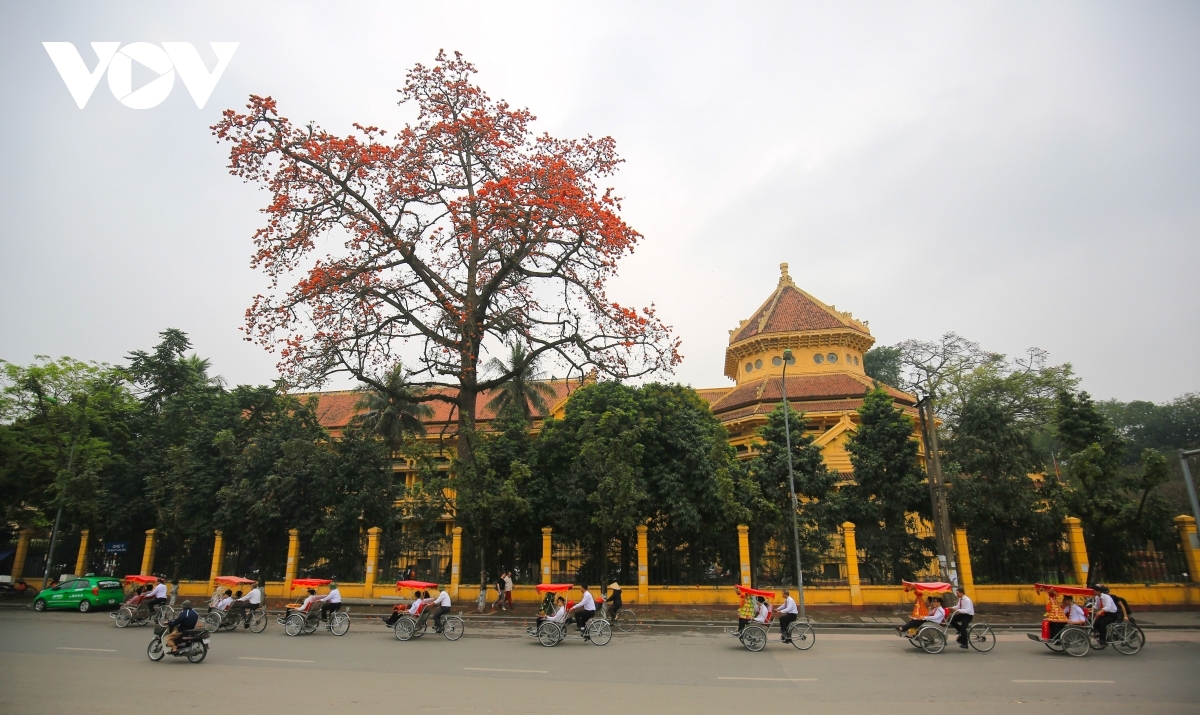
| An old bombax ceiba tree can be found inside the National Museum of History, said to be nearly 100 years old. |
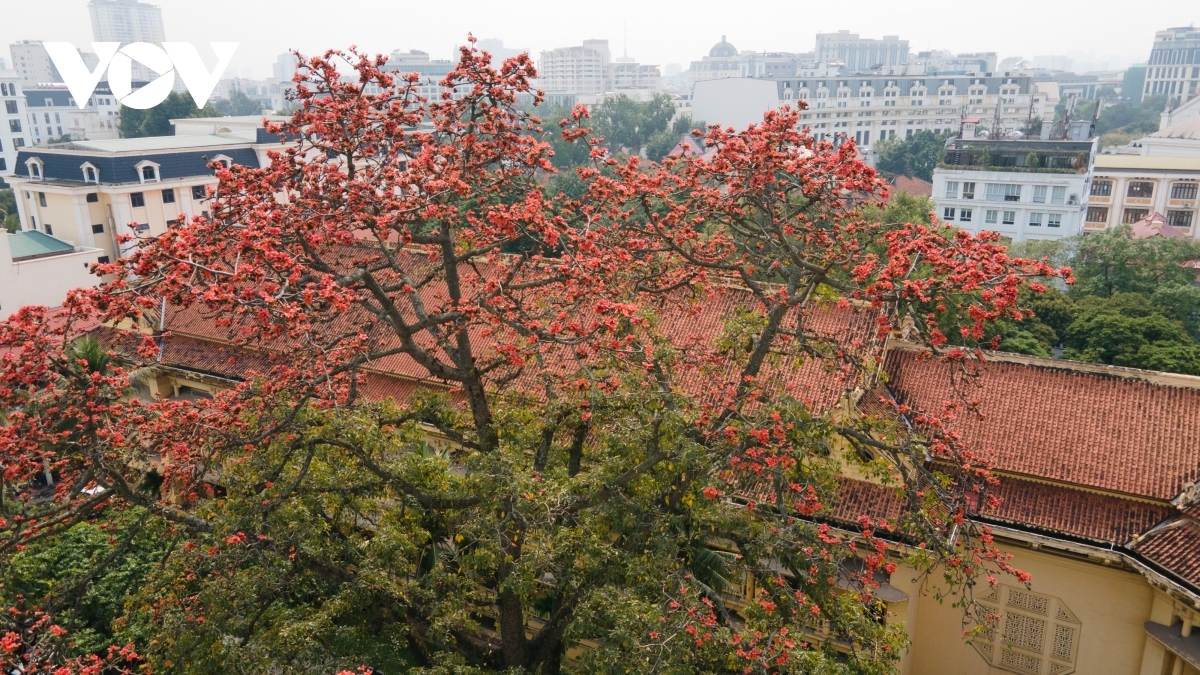 |
| The tree originates from India, although now it can be seen growing in many cities and provinces throughout the northern region of Vietnam. |
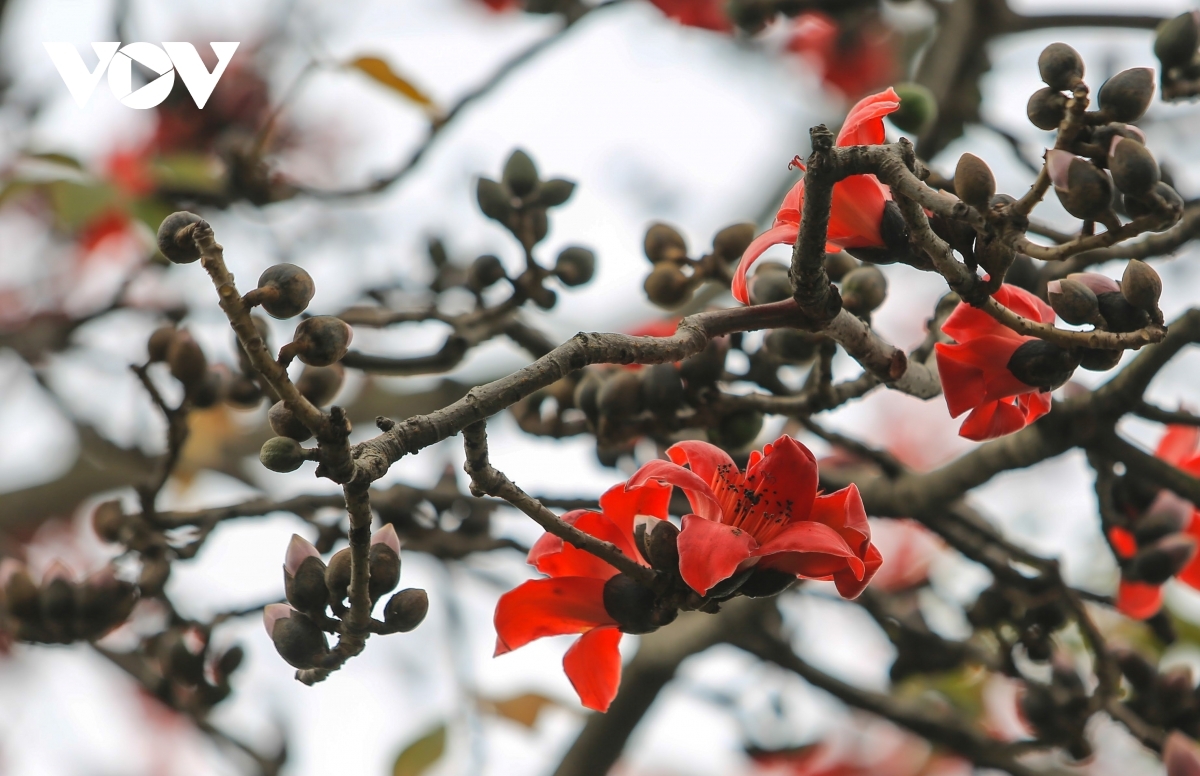 |
| For local people, the sight of these cup-shaped five-petal flowers blossoming marks the beginning of the summer. |
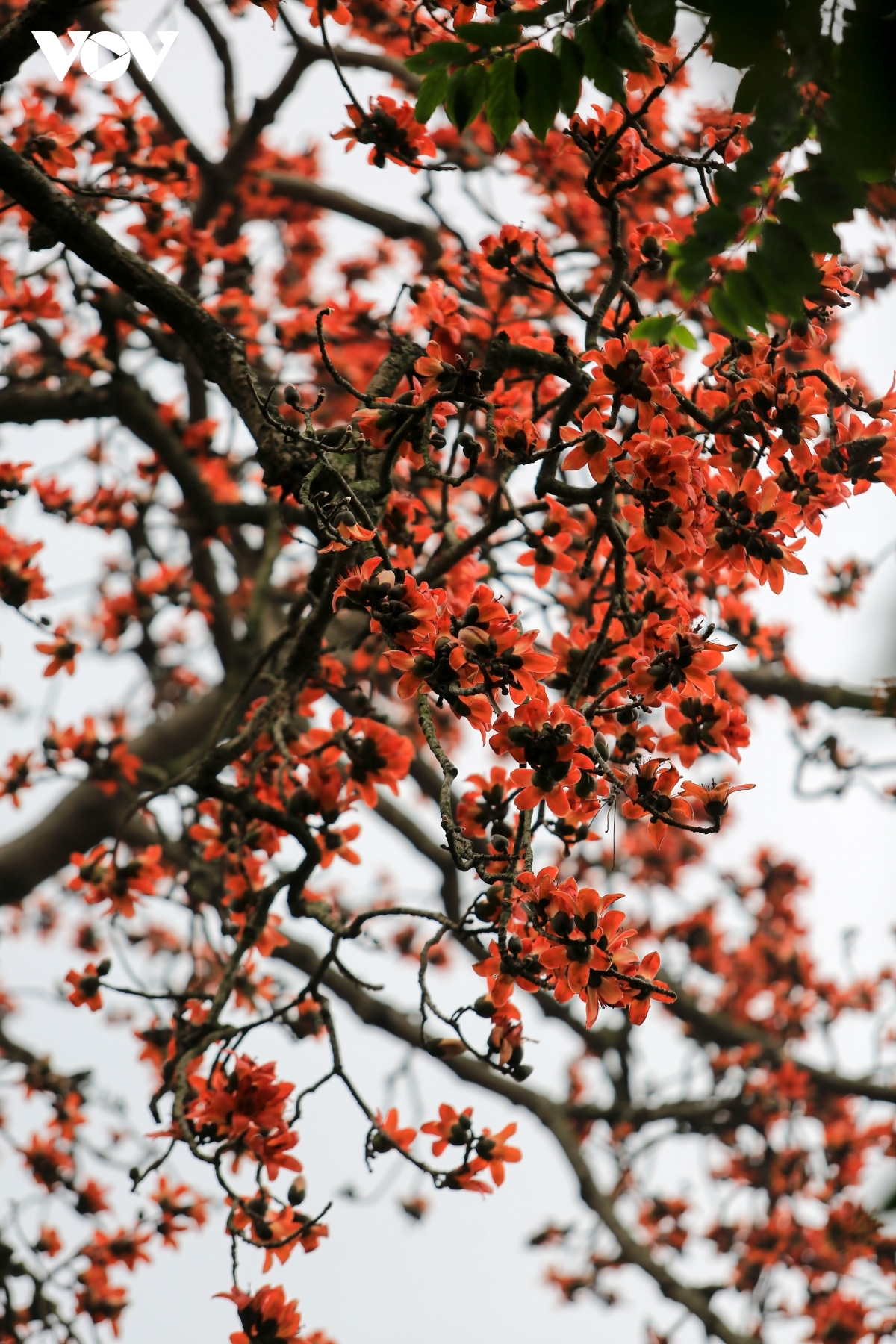 |
| These stunning flowers are also known by their other Vietnamese names, Moc Mien and Po Lang. |
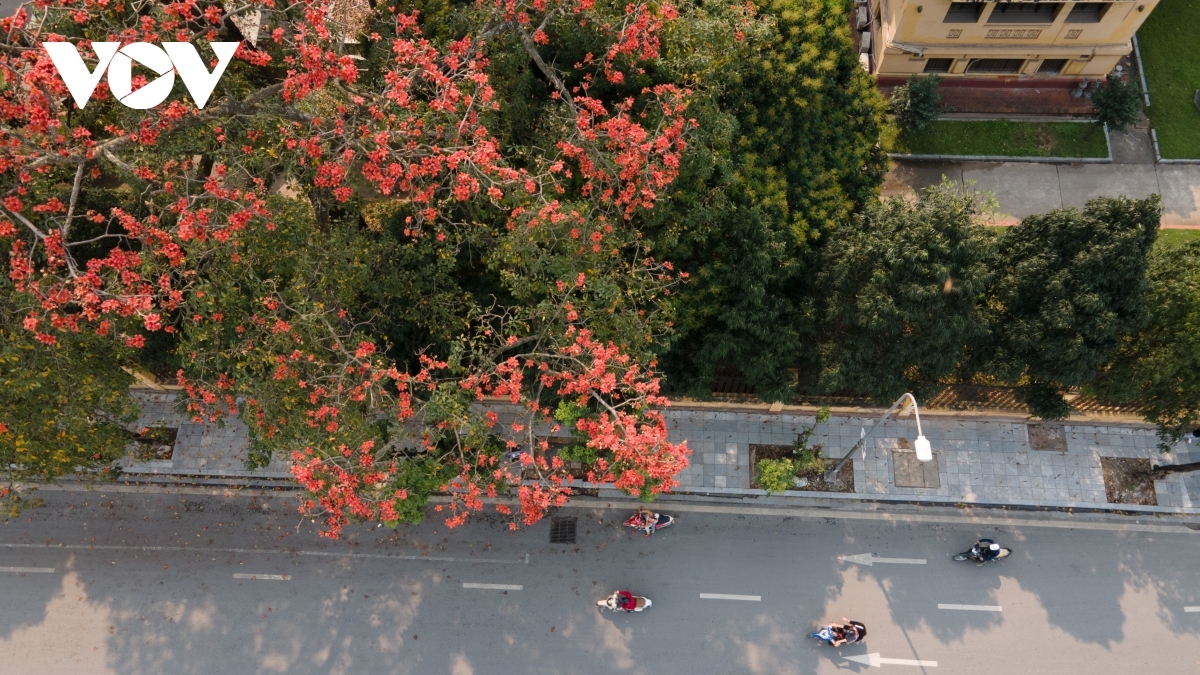 |
| The large blossom comes out almost at once, thereby making the entire tree look like it is in flames on a street corner. |
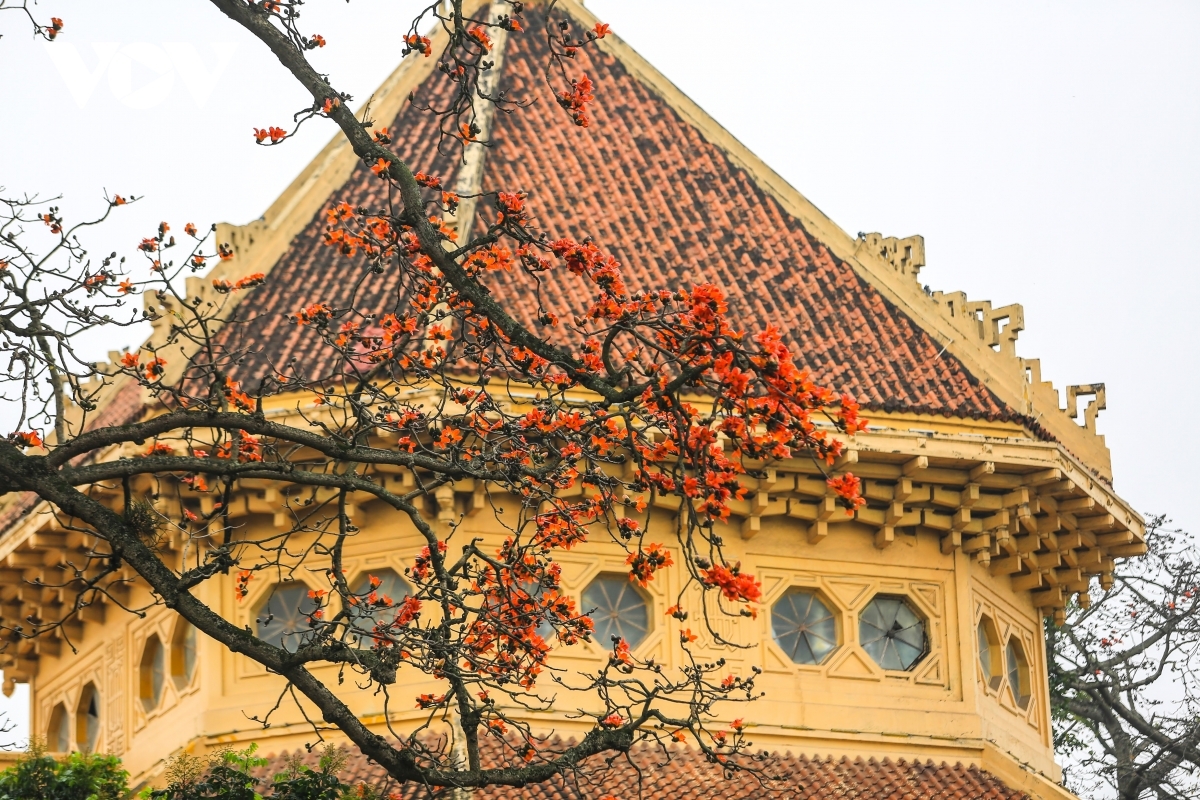 |
| The flowers tend to blossom for a few weeks before falling to the street and changing leaves. |
 |
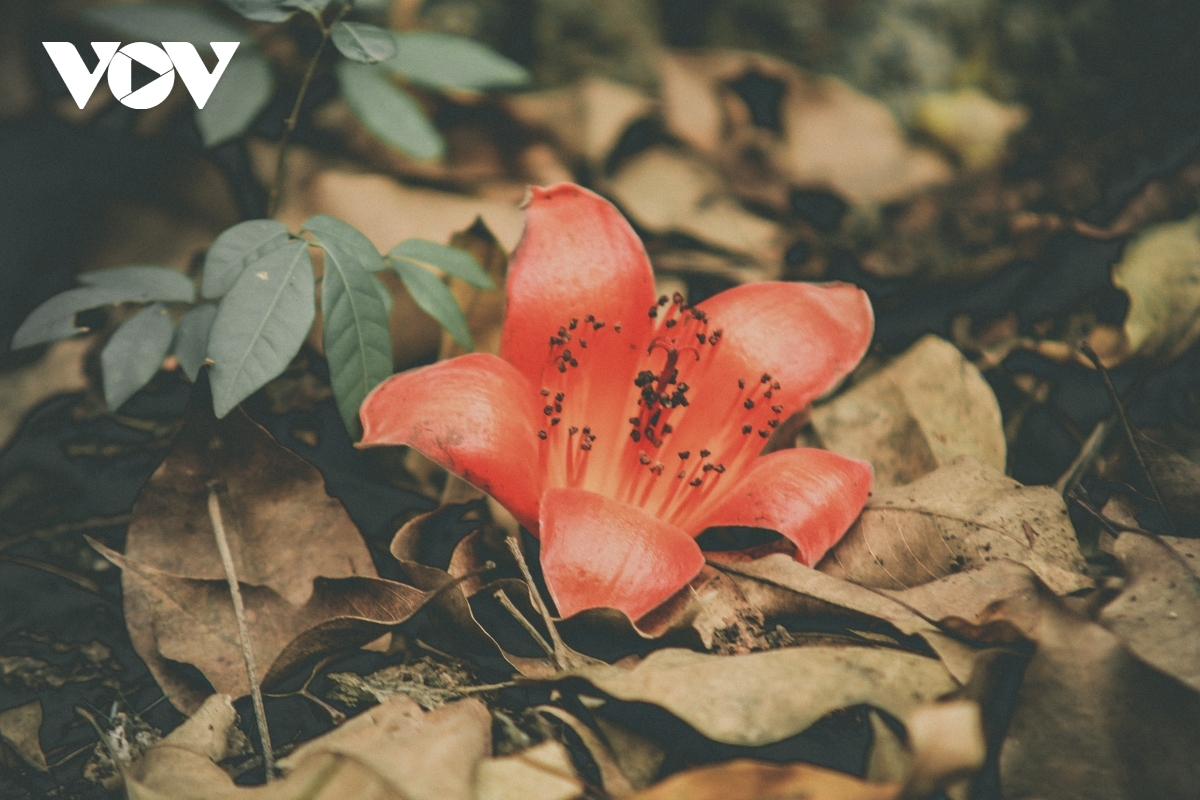 |
| Each flower features a total of five petals, making it look like a burning torch. |
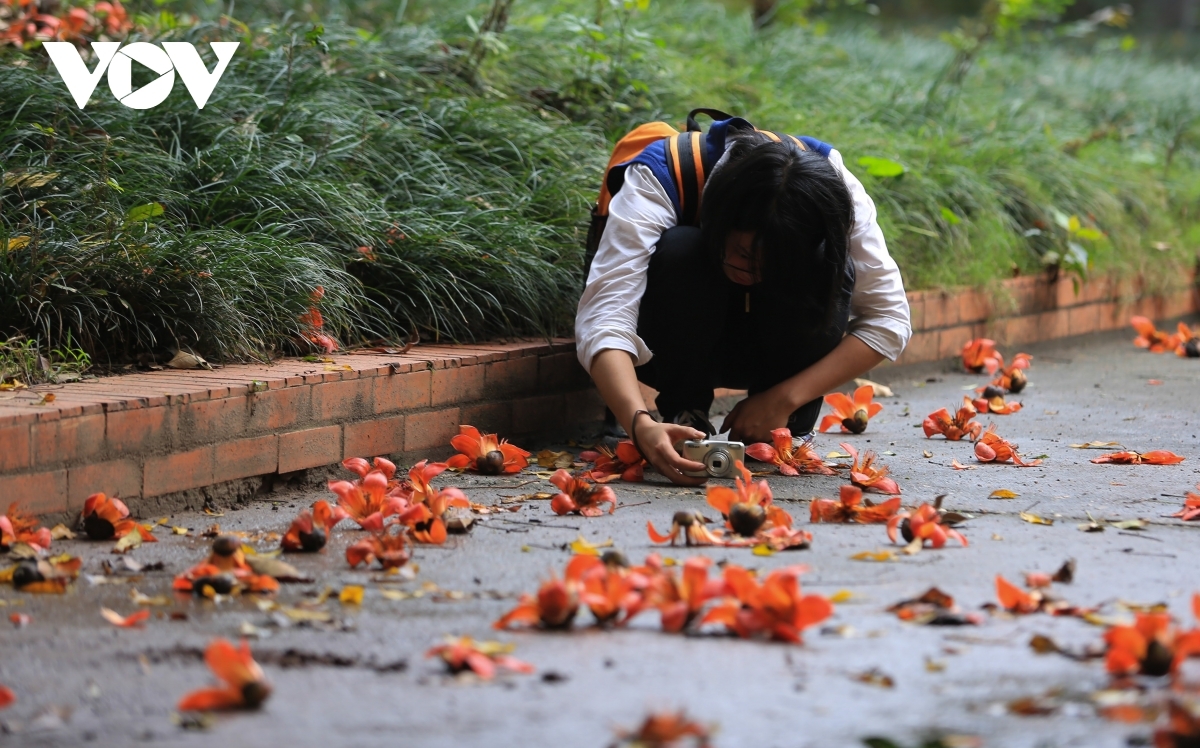 |
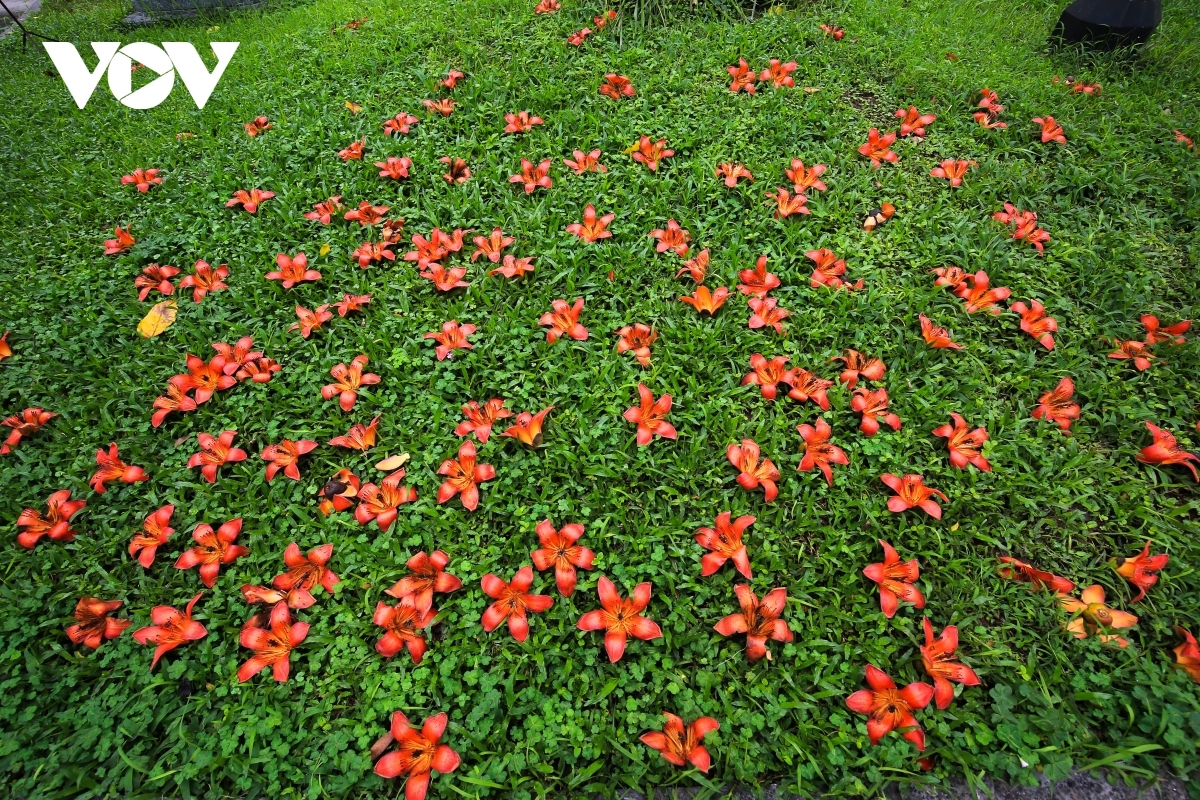
| Flowers falling to the street typically attracts young people who want to snap elegant photos. |
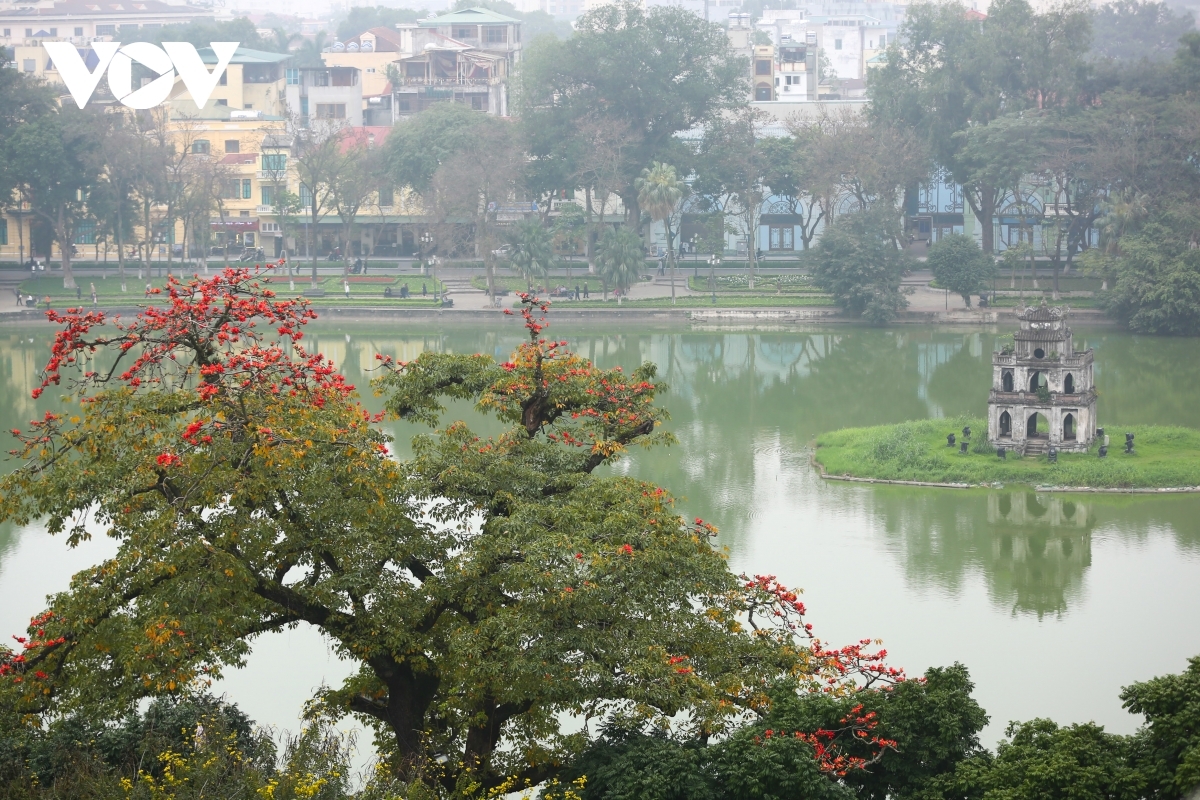 |
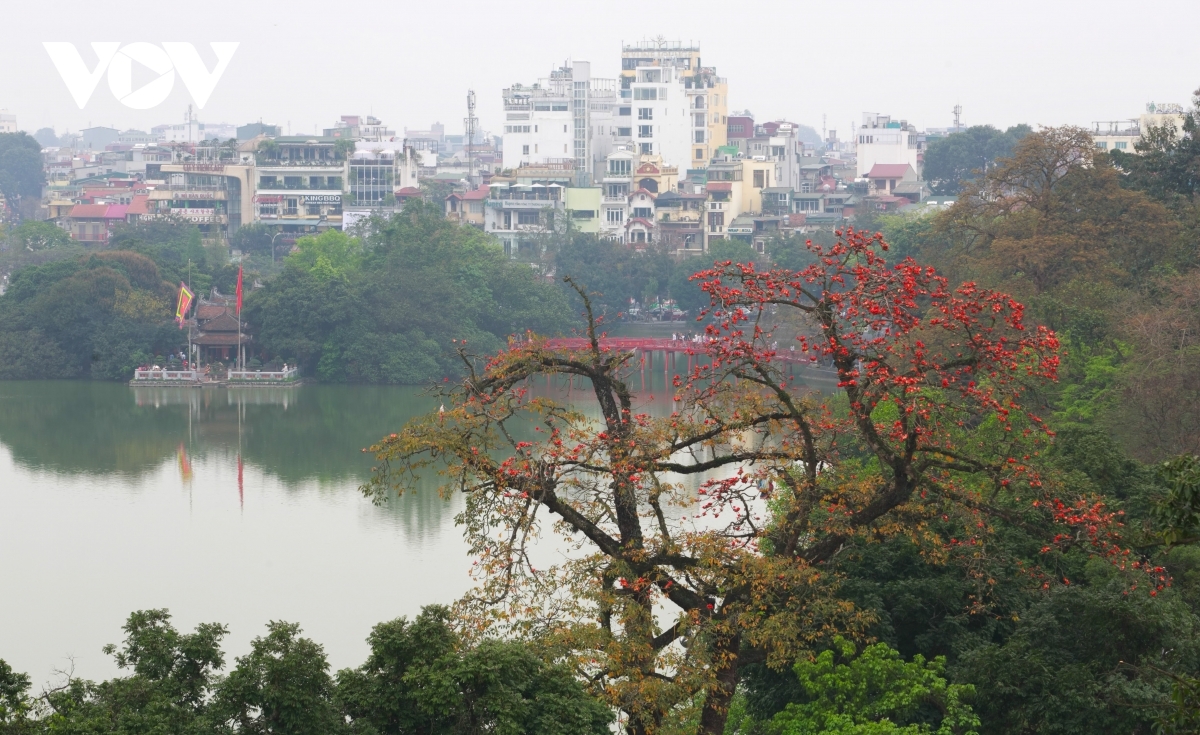
| When the flowers are in full bloom they brighten up a corner on the banks of Ho Guom, also known as Sword Lake. |
 |
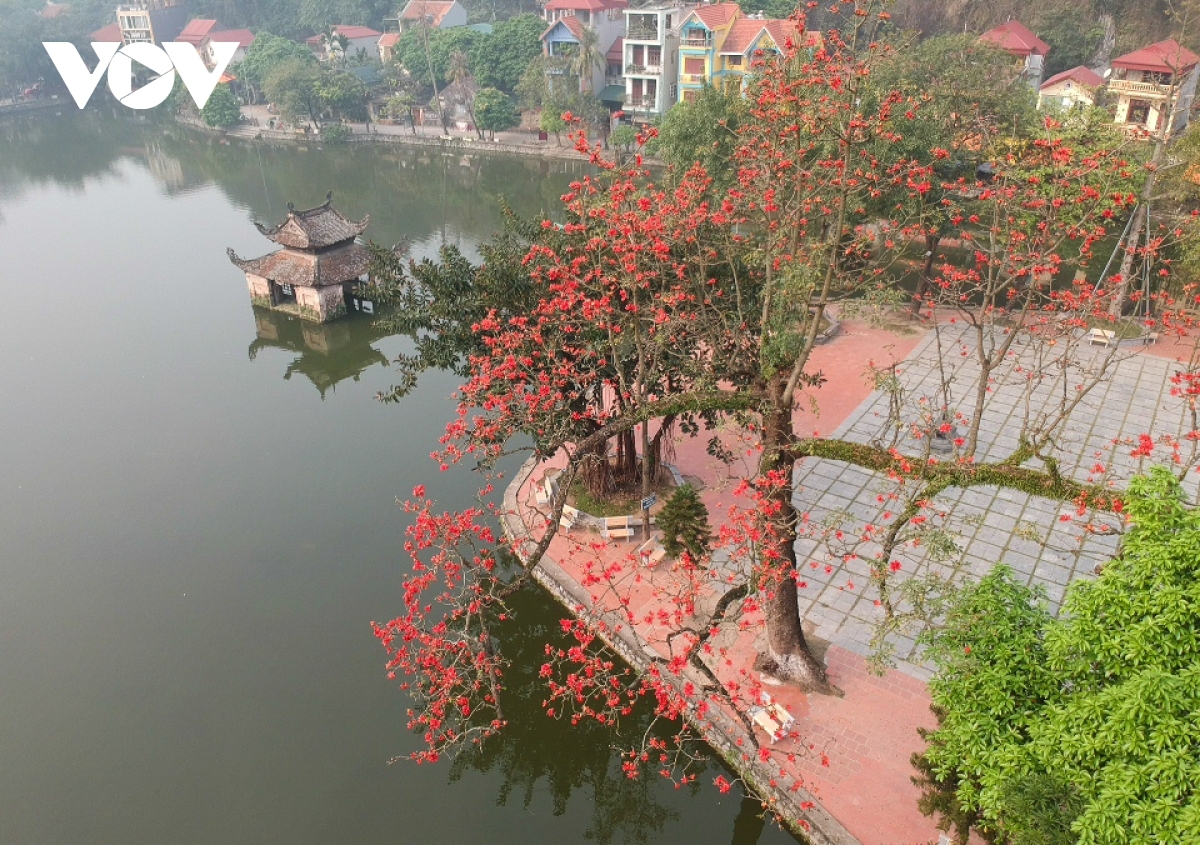 |
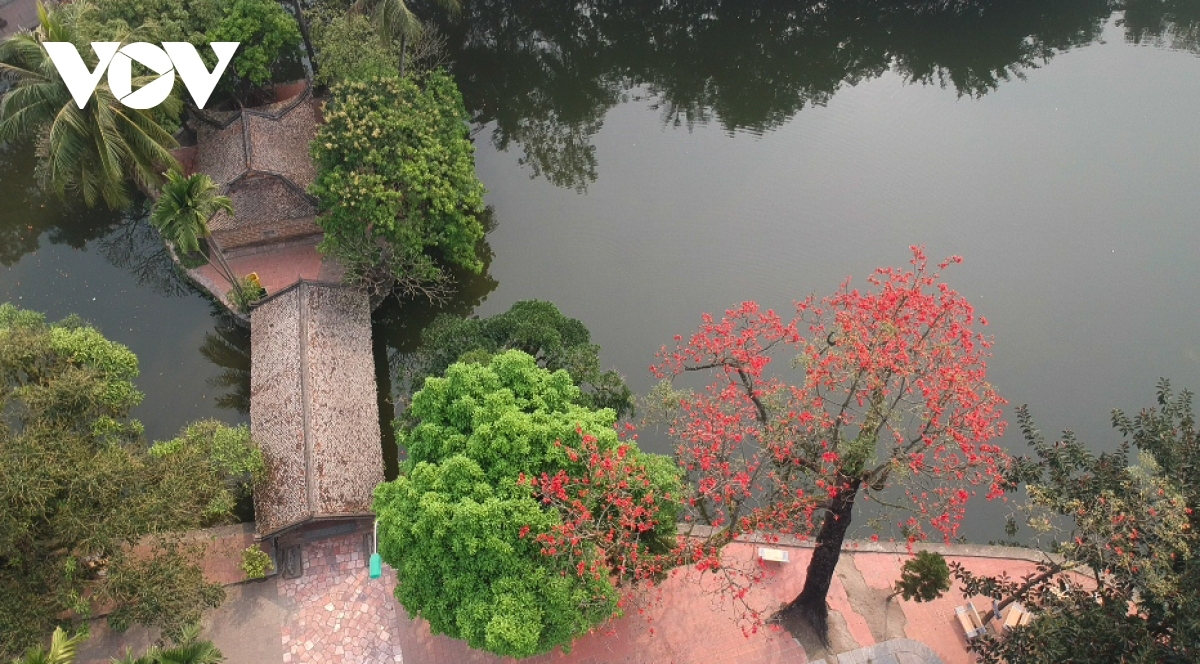
| An old tree in Thay Pagoda in Quoc Oai district on the outskirts of Hanoi is known for its ancient beauty. |
 |
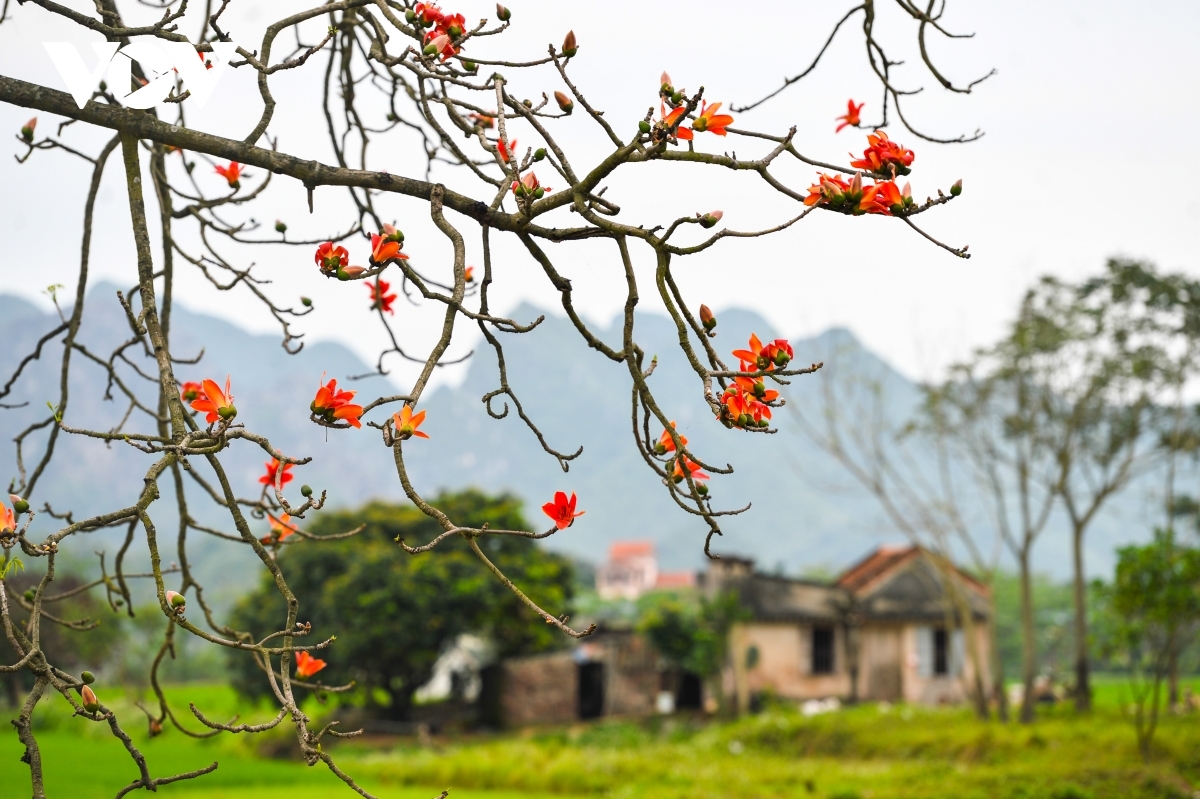
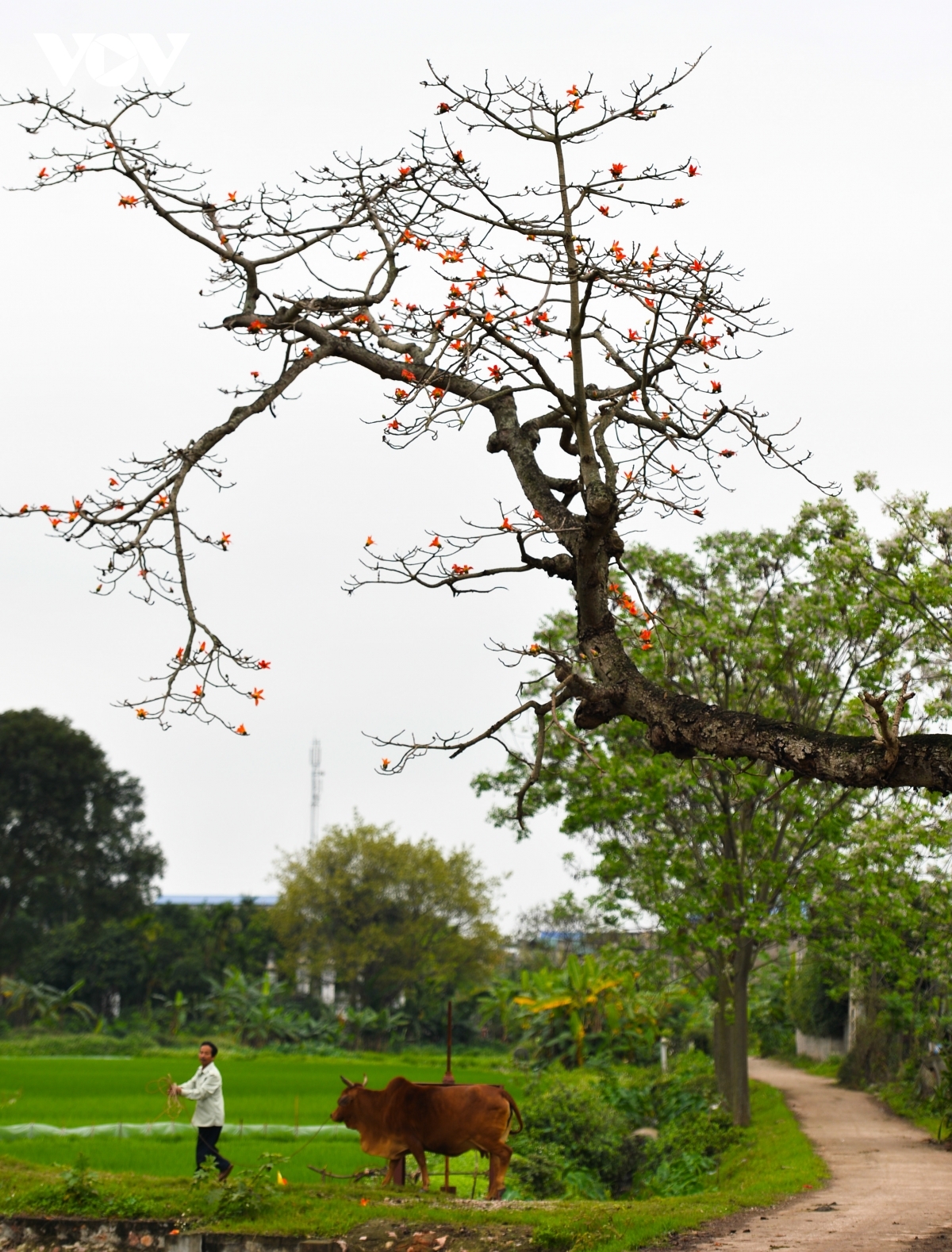
| An image of dazzling trees situated in rural areas is the inspiration for photos, paintings, songs, and literature. |
 |
 |
 |
