





 Vietnamese
 中文
中文
 日本語
日本語
 한국어
한국어
 Français
 Русский
 Deutsch
 Español
 Bahasa Indonesia
 ไทย
ไทย
 ພາສາລາວ
 ខ្មែរ
ខ្មែរ




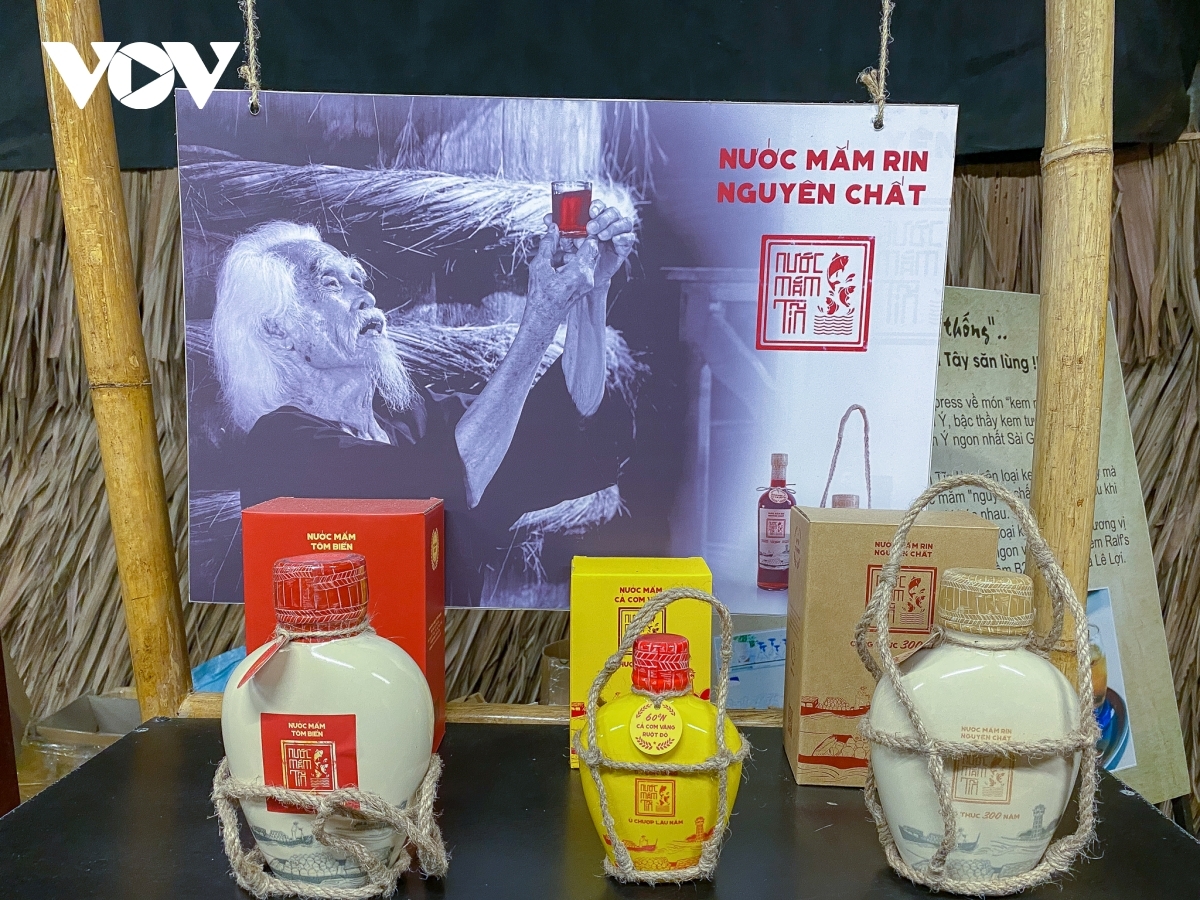 |
| The fish sauce museum, called Lang Chai Xua (old fishing village), is at 360 Nguyen Thong street and spans an area of 1,600 square metres. |
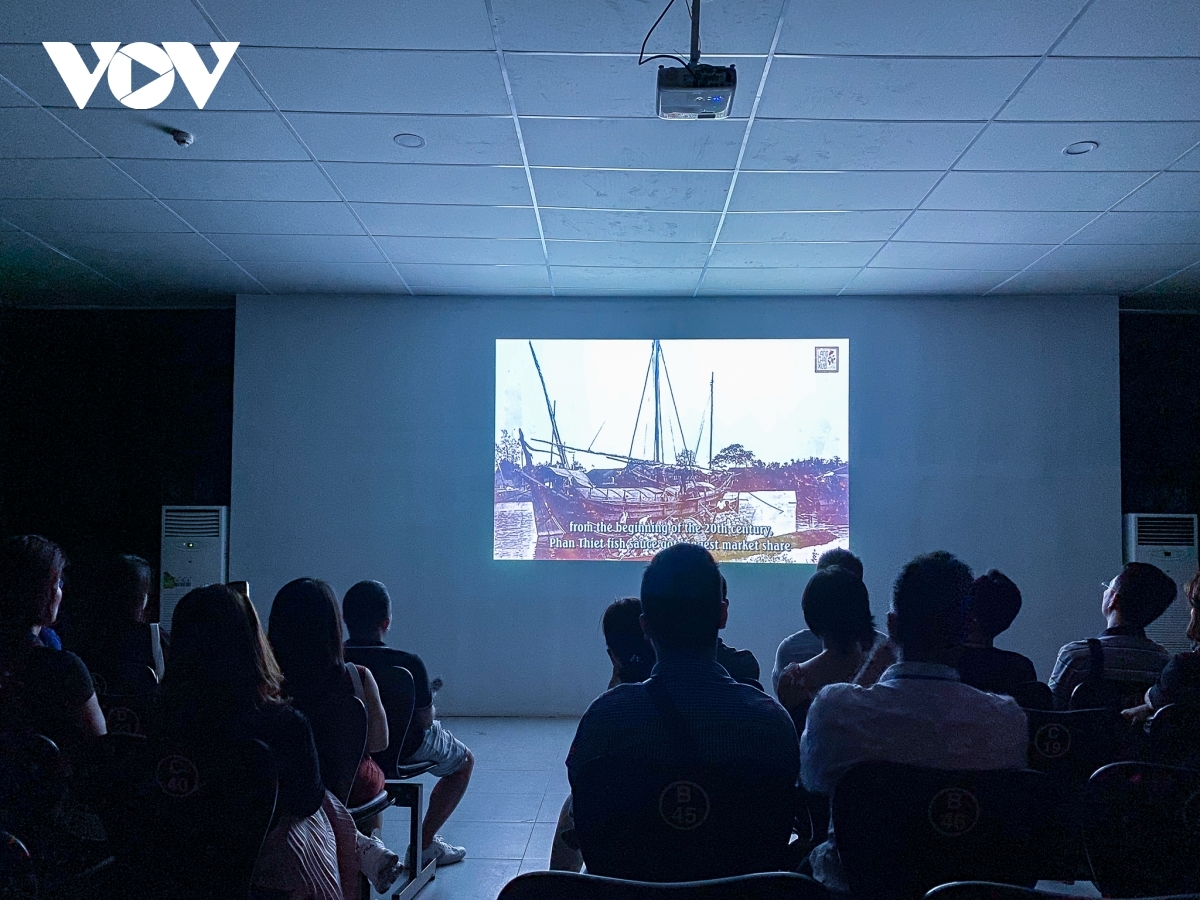 |
| On upon arrival, visitors view a short film on fish sauce before they start the museum tour. |
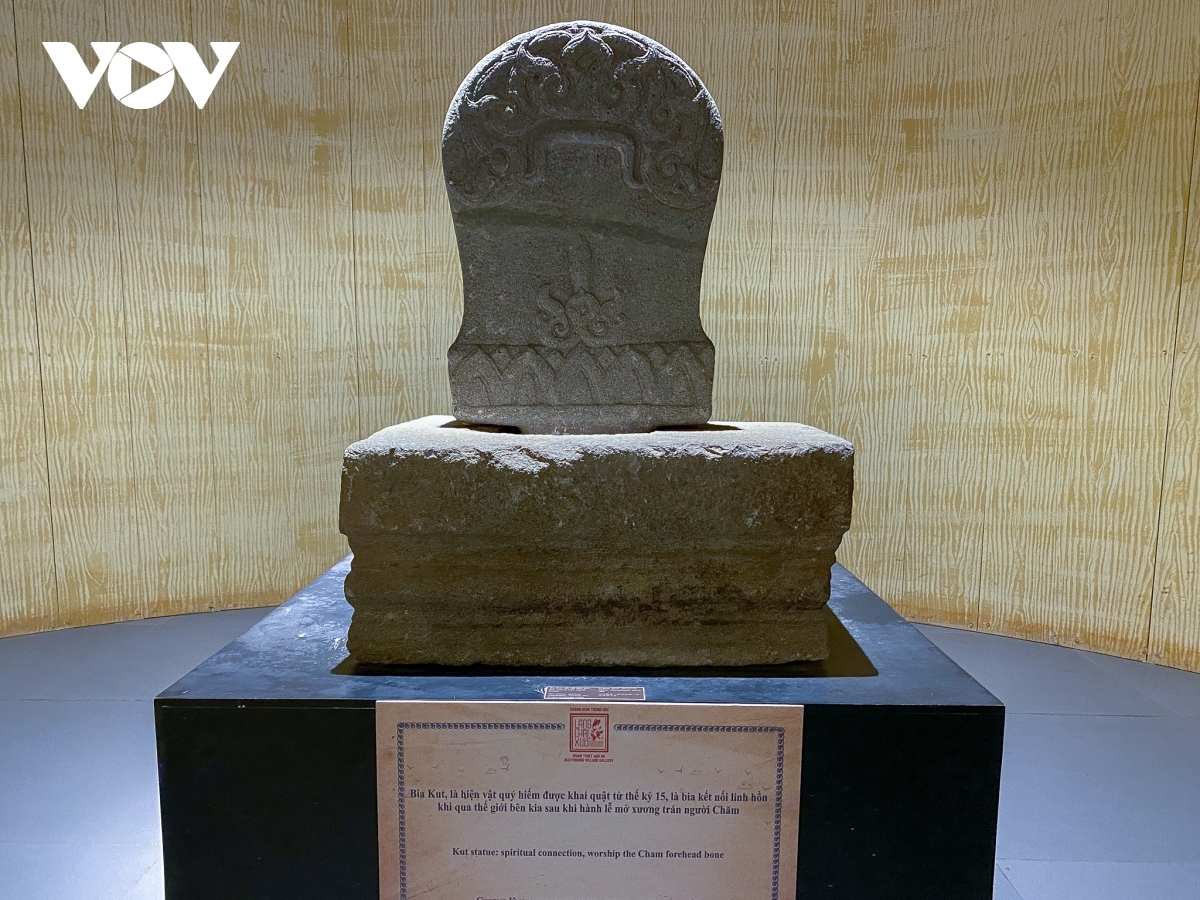 |
| Items of the Cham ethnic people dating back to the 15th century are on display at the museum. |
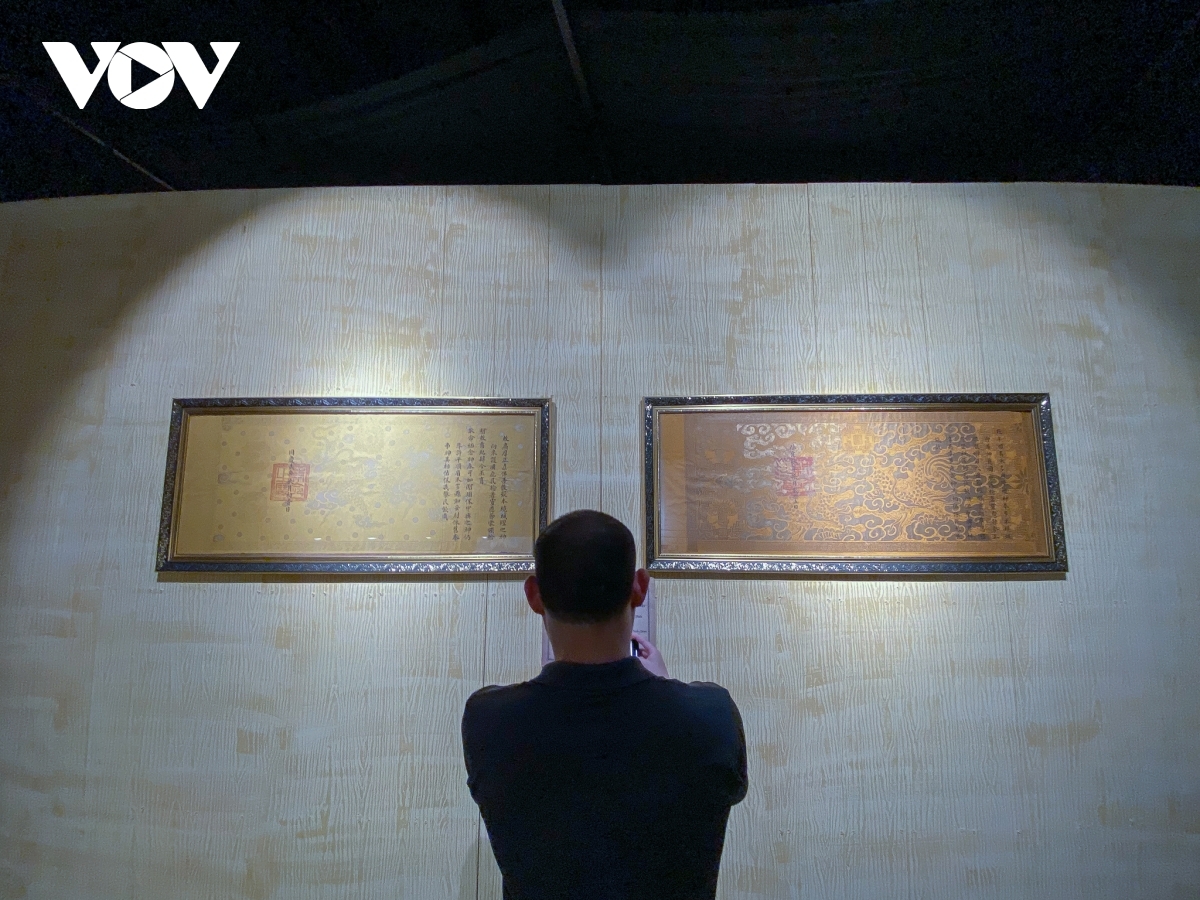 |
| This item of the Nguyen dynasty is closely linked to the fish sauce craft of Binh Thuan province. |
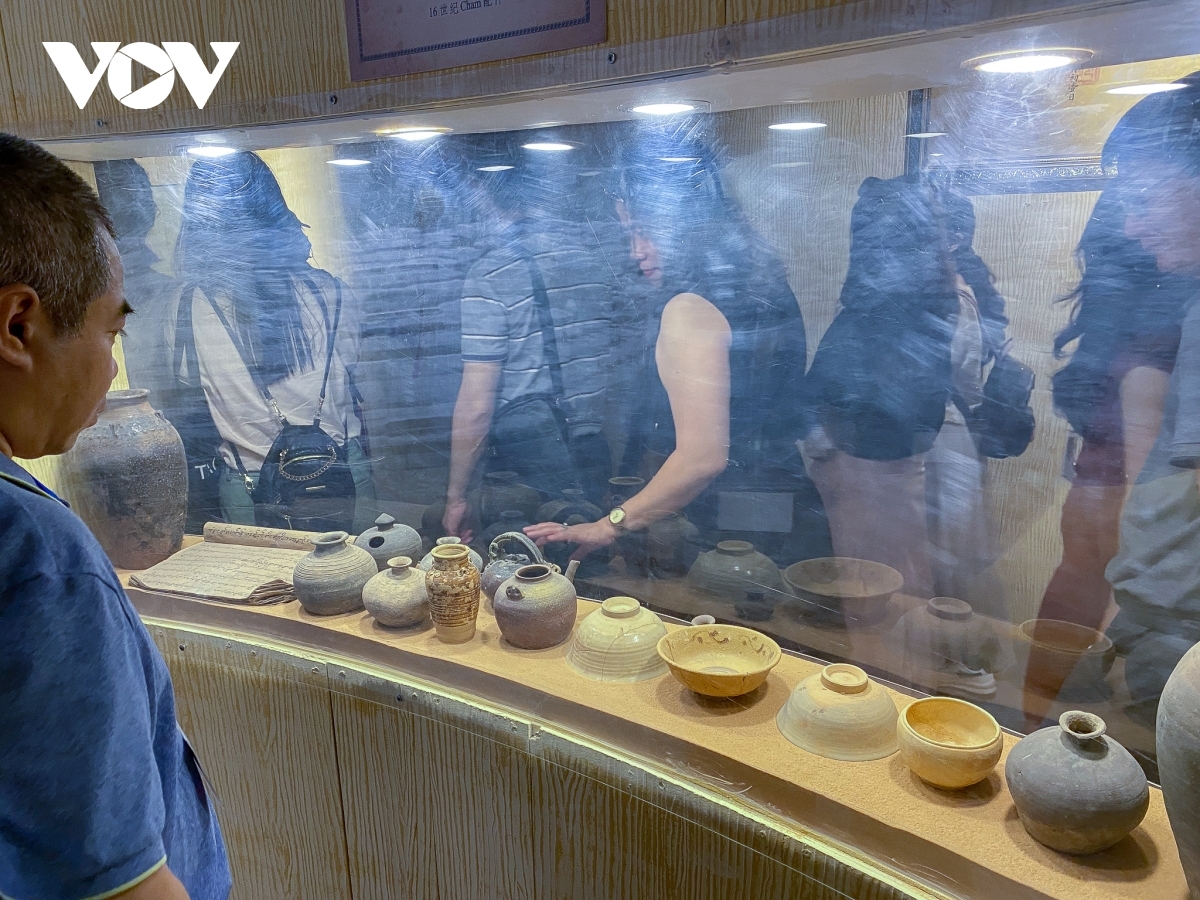 |
| Historical items on display prove that Phan Thiet city has produced fish sauce for 285 years. |
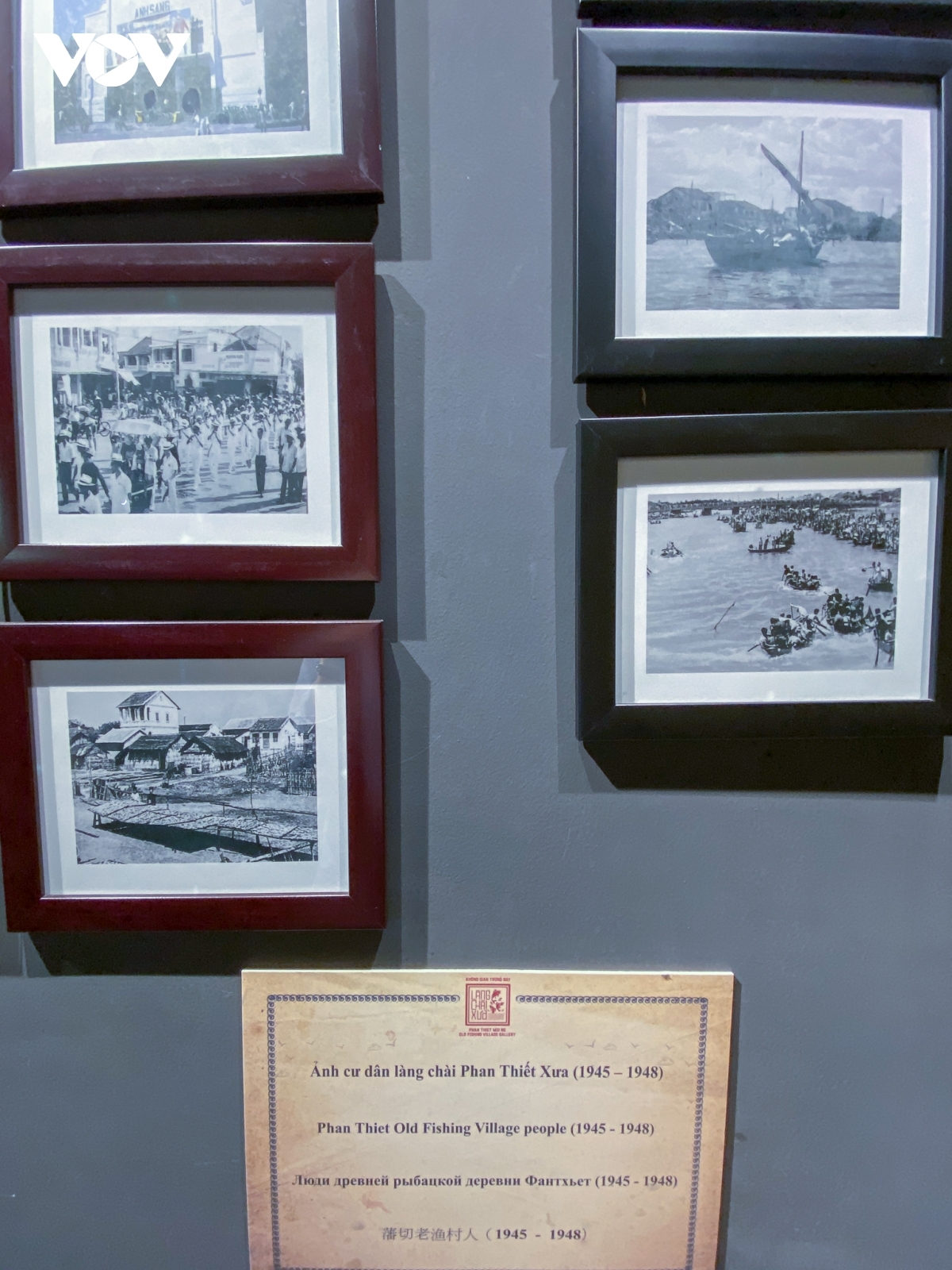 |
| The life of the local fishermen is captured in numerous black-and-white photos. |
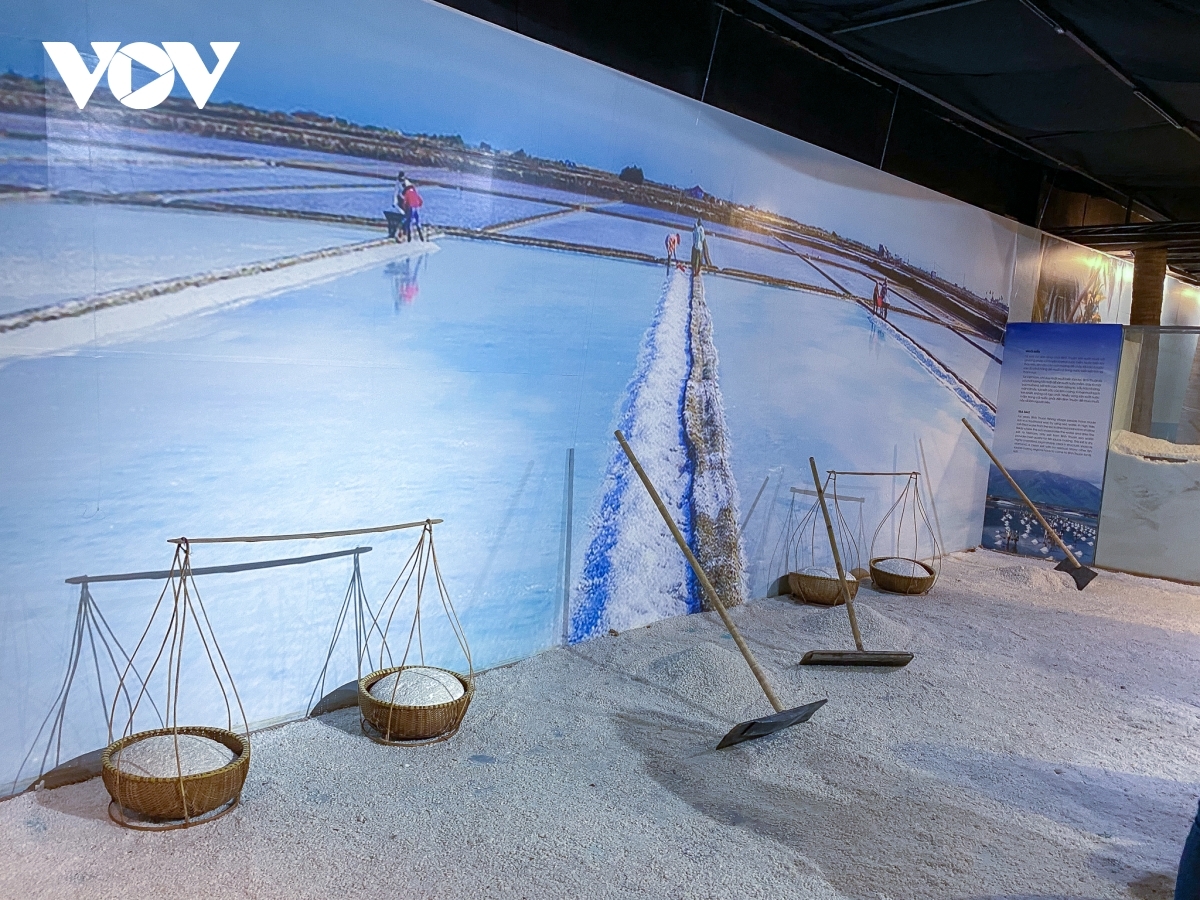 |
| Museum displays show how the local villagers make salt. |
 |
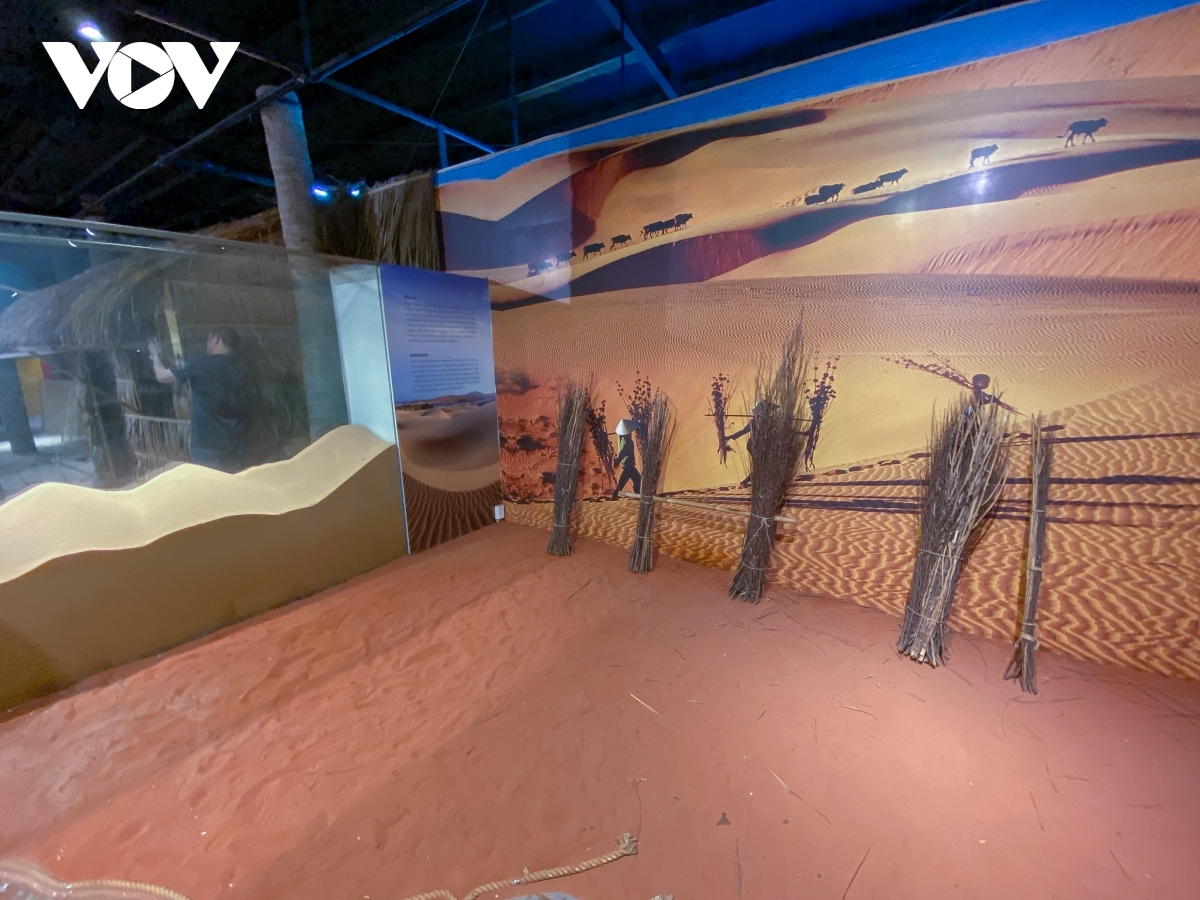 |
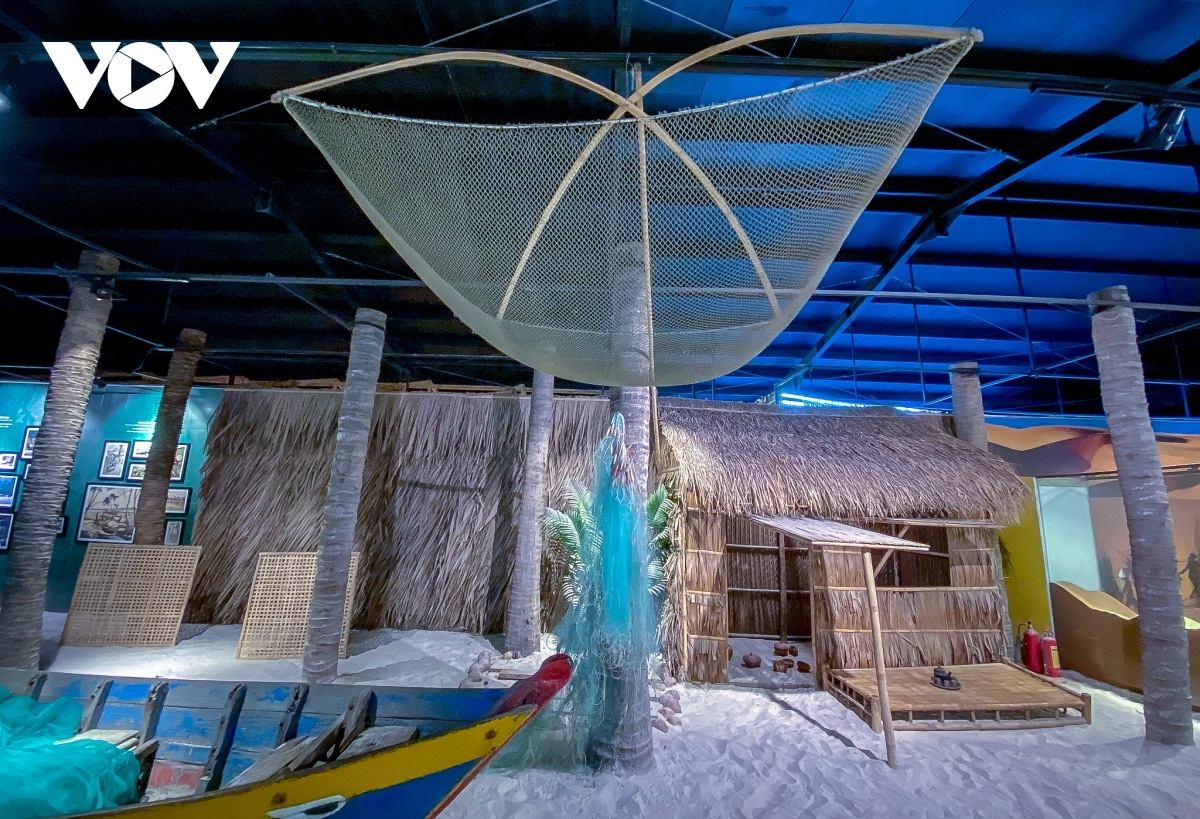
| The sand dunes that are so common in Binh Thuan province are recreated at the museum. |
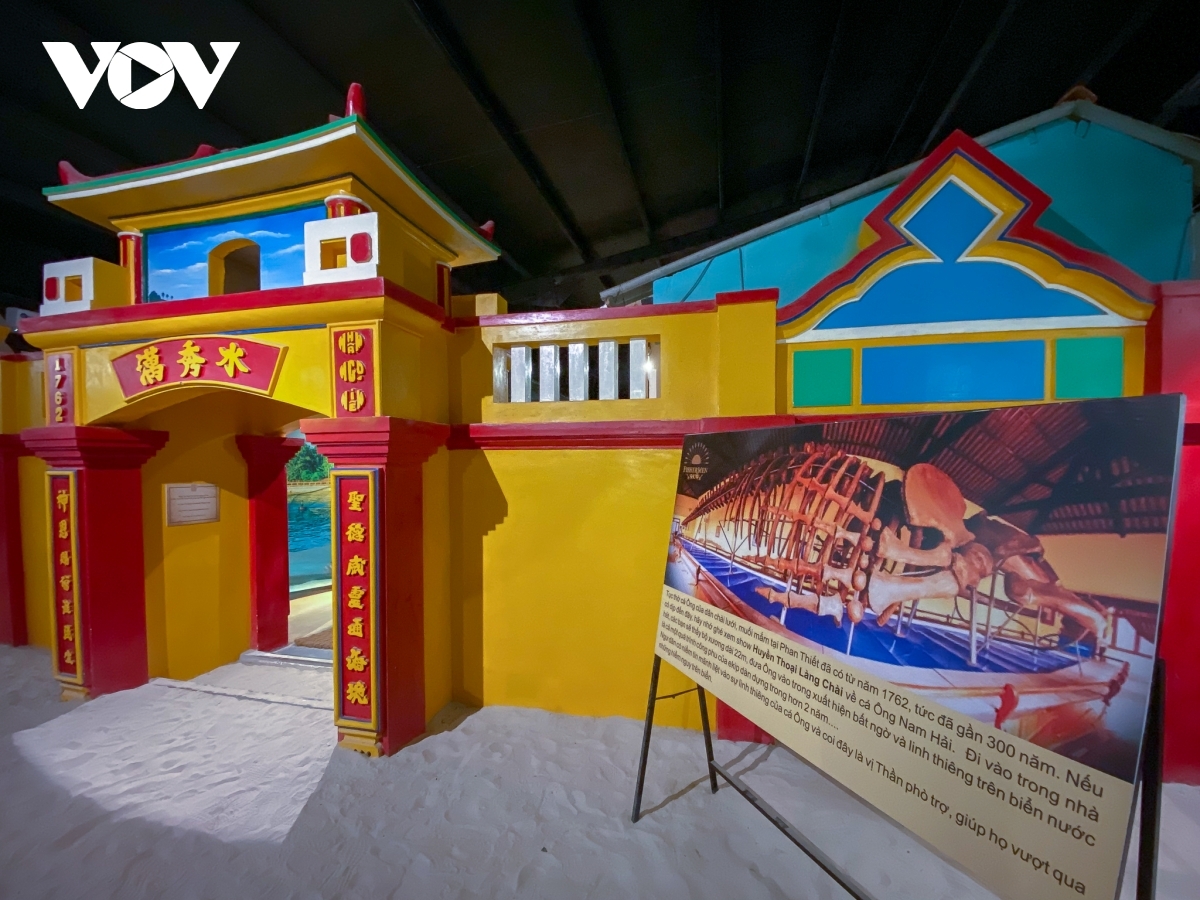 |
| A temple has been erected to worship the largest whale in the country. |
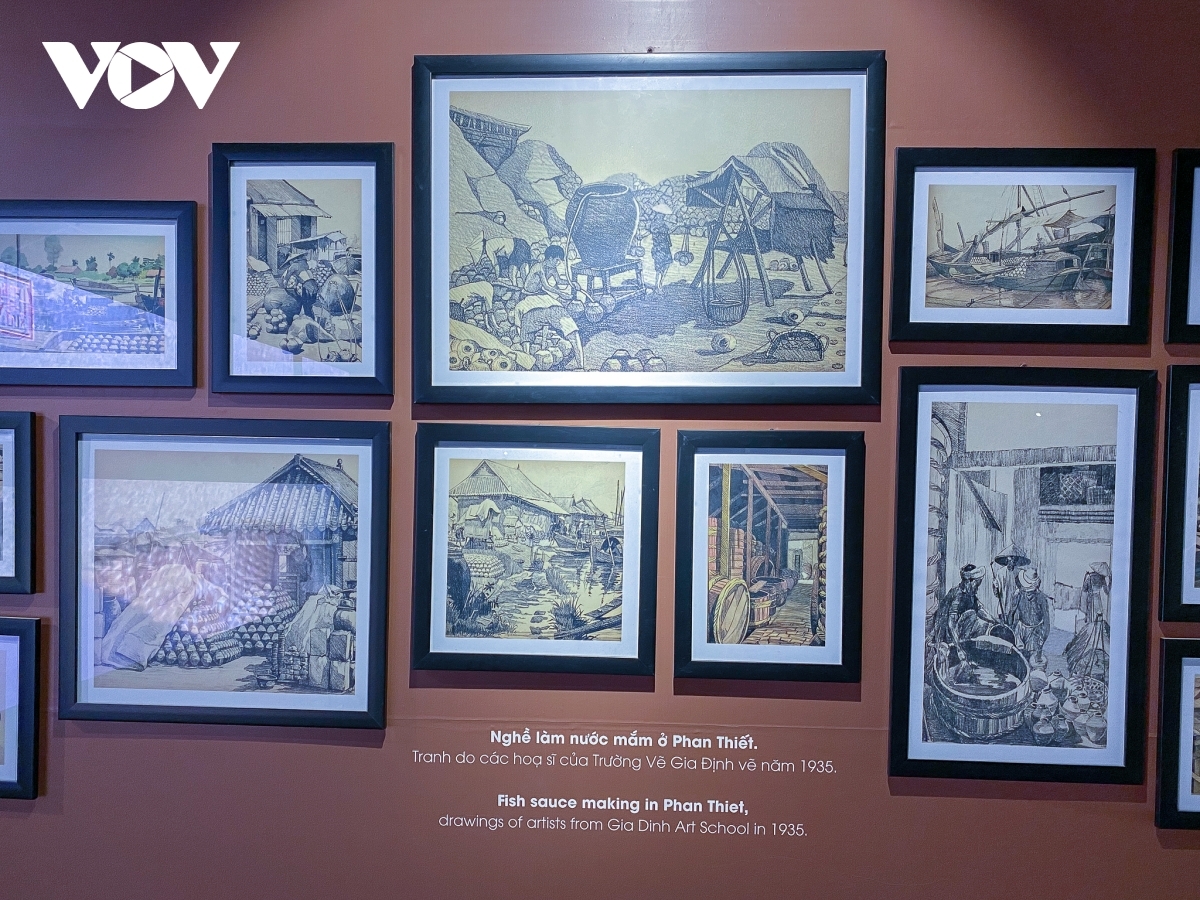 |
| Paintings detail the process of making fish sauce in Phan Thiet city in 1935. |
 |
| Fish sauce has been sold at traditional markets for generations. |
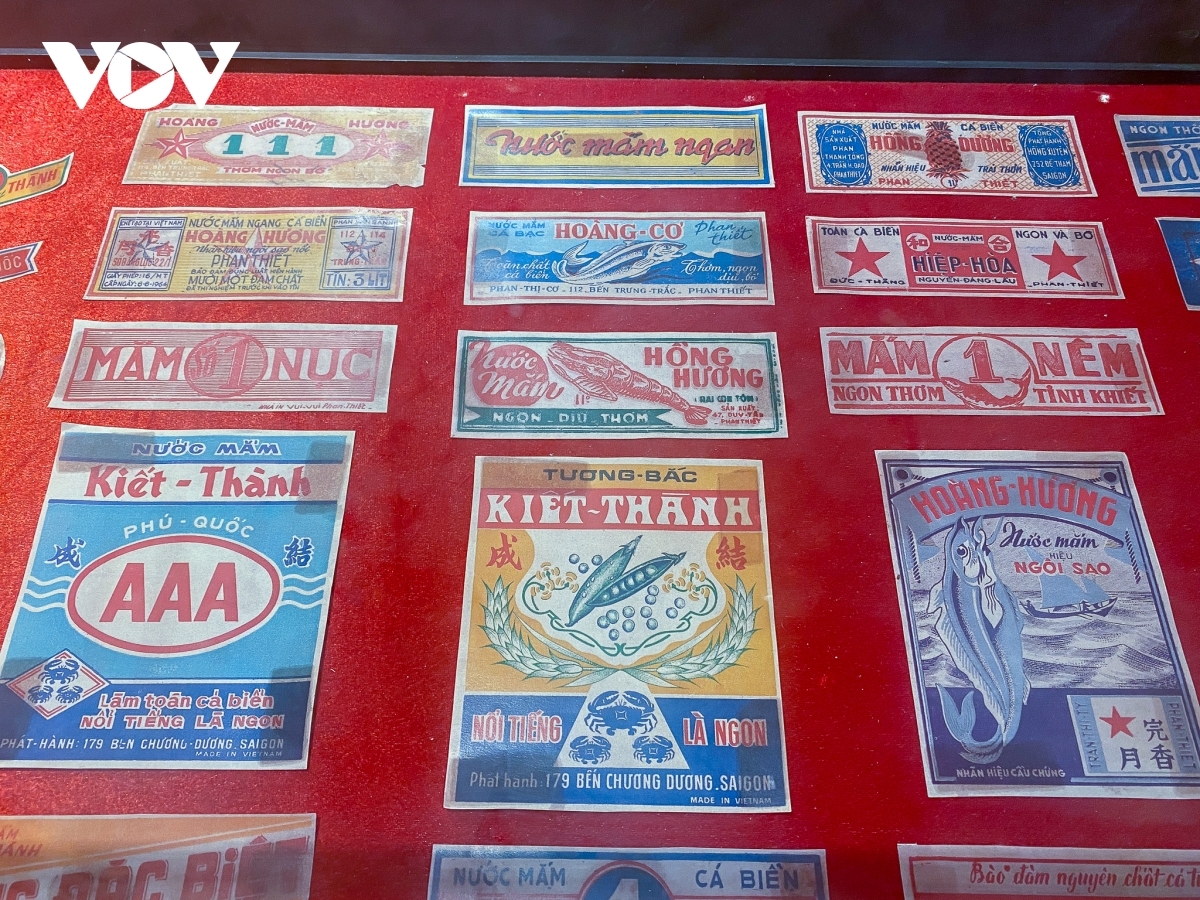 |
| Some of the fish sauce brands sold in former periods of history. |
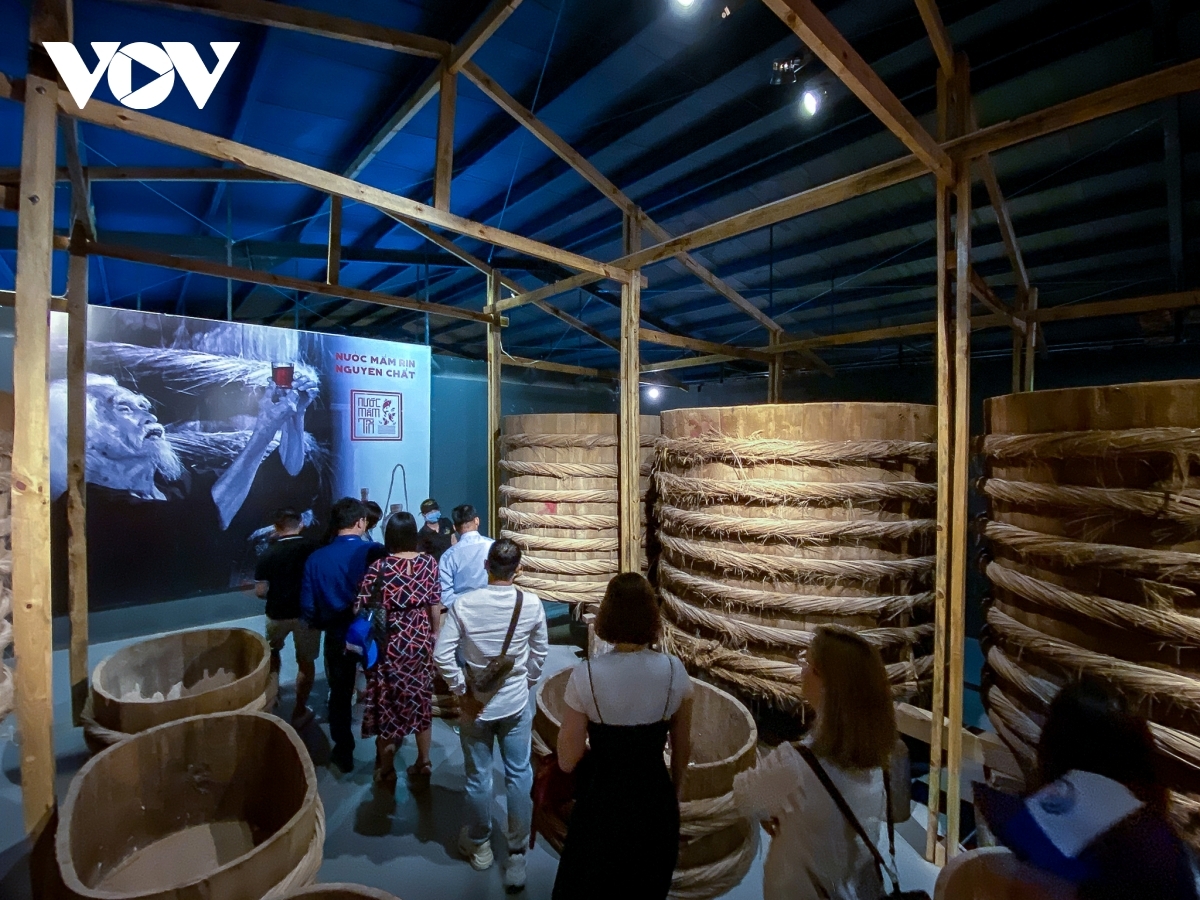 |
| Wooden barrels used to hold fish sauce. |
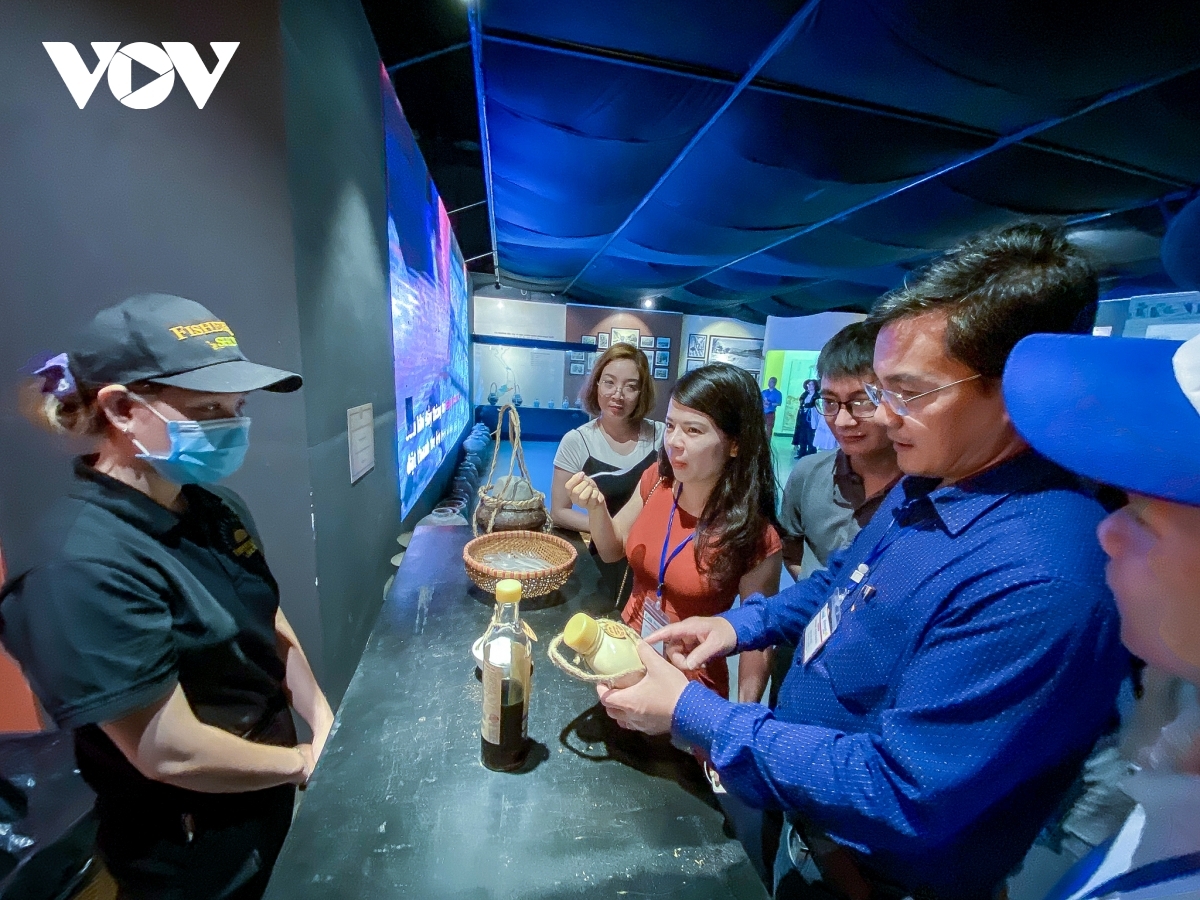 |
| Museum visitors sample some fish sauce delicacies. |
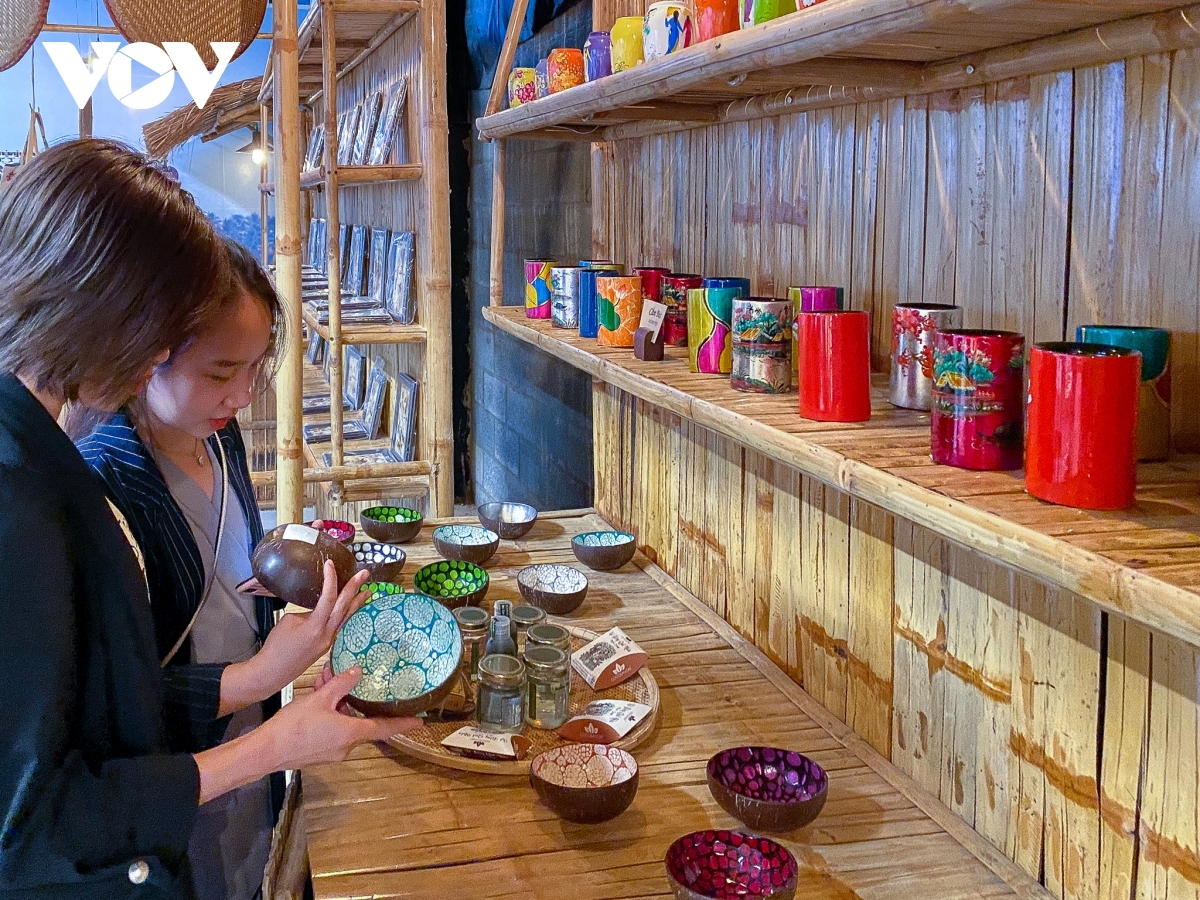 |
| A corner selling gifts and souvenirs is popular with the tourists. |
