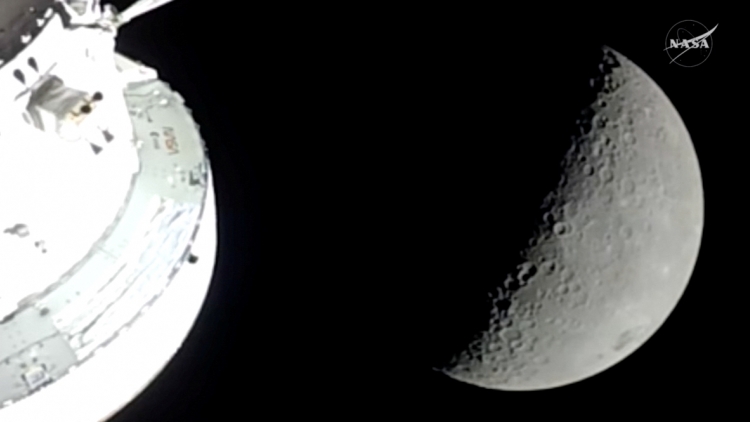




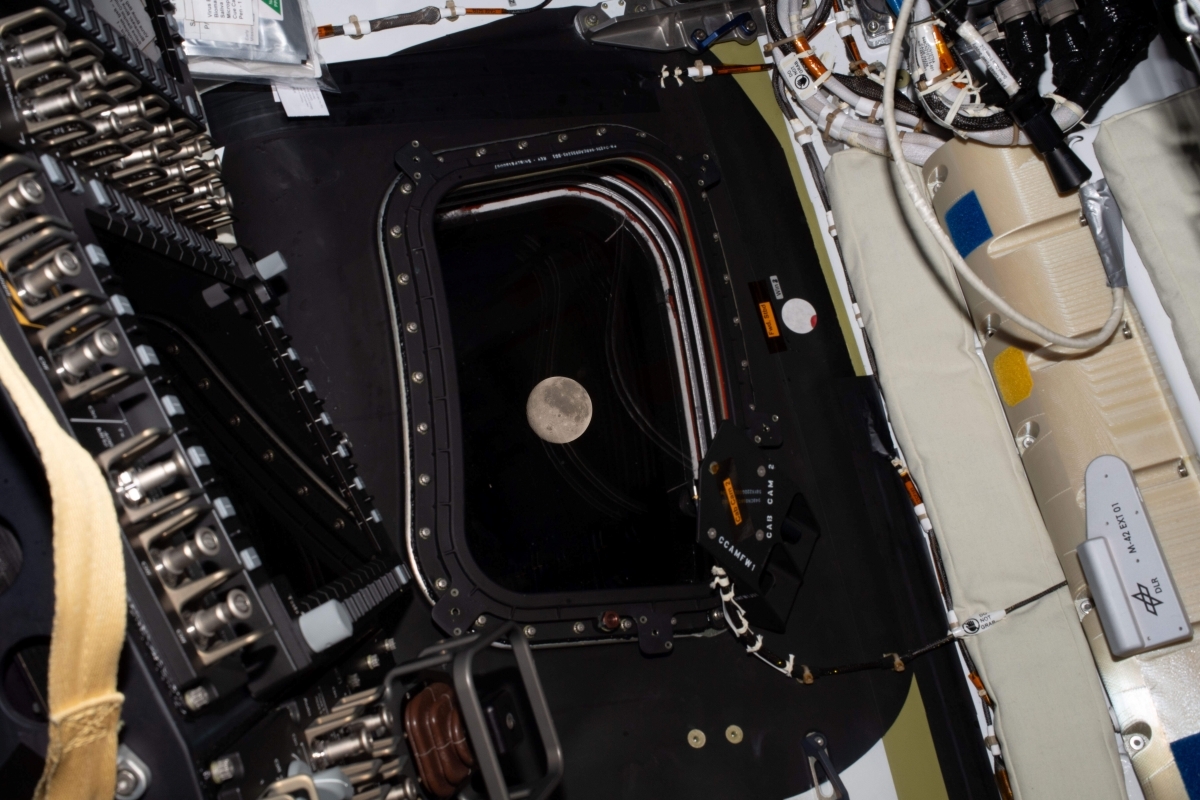
During nearly seven continuous hours observing through Orion’s windows, the crew experienced unprecedented, vivid views of the lunar surface. Astronaut Victor Glover described the experience as “beyond words,” citing the breathtaking scenery.
Beyond documenting detailed lunar terrain, the crew also directly observed a rare solar eclipse, when the Moon obscured the Sun, as well as sudden flashes caused by meteorite impacts.
US President Donald Trump held a congratulatory call with the Artemis II crew after they set a new record as the humans who traveled farthest from Earth, surpassing the benchmark of Apollo 13. He hailed them as “pioneers of the modern era” and said the mission had inspired the world.
The Orion spacecraft’s return is expected to take about four days along a free-return trajectory, as the mission’s historic achievements continue to be recorded. This is the first crewed lunar flyby in more than 50 years, featuring several milestones: Victor Glover became the first Black astronaut to orbit the Moon; Christina Koch the first woman to do so; and Jeremy Hansen the first non-American astronaut to take part in such a mission.