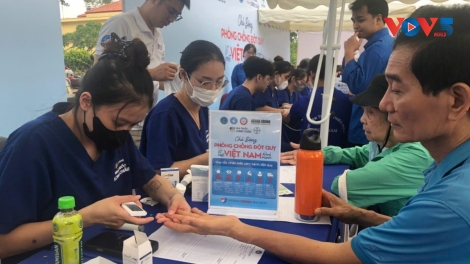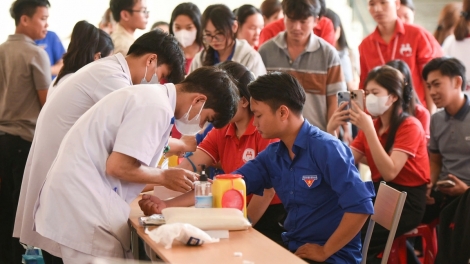




This event has evolved into a strategic orientation, shifting the focus from treatment to disease prevention and placing people’s well-being at the center of all development policies.
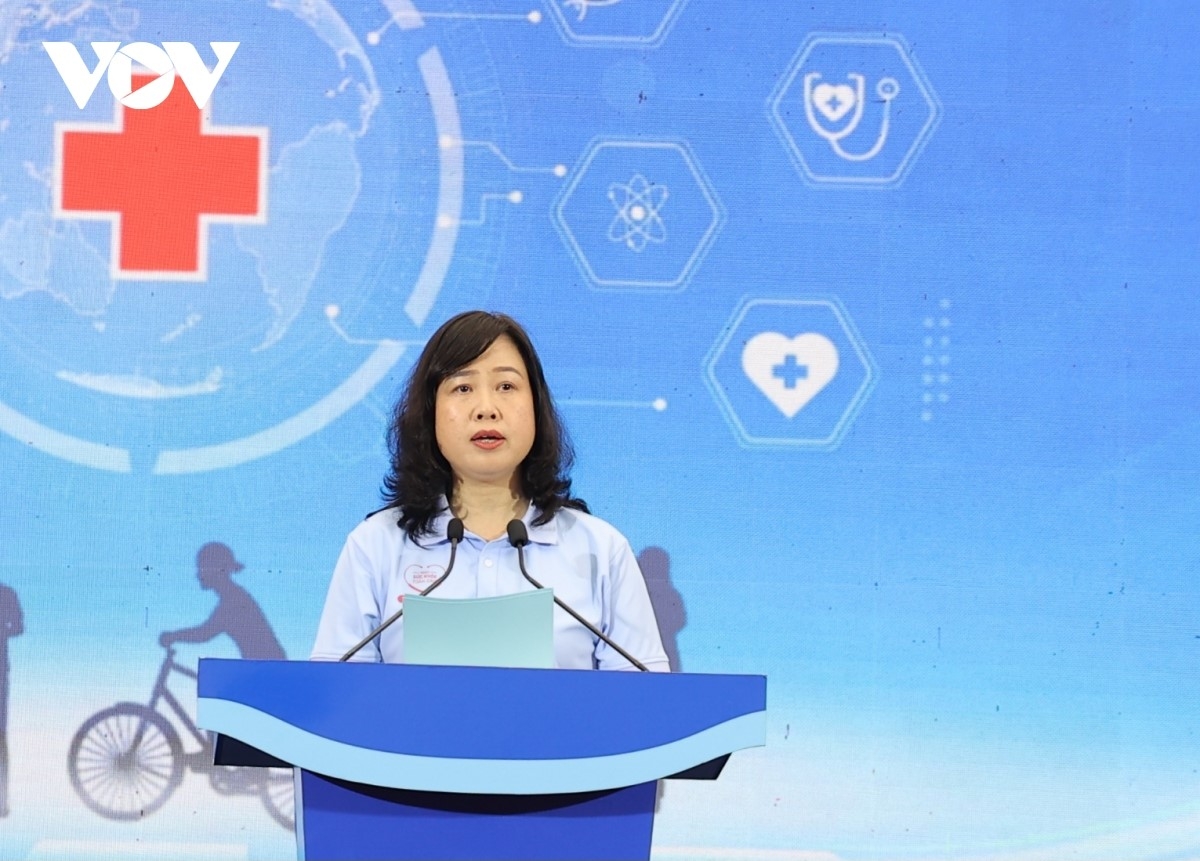
“Despite busy and pressured lives, each of us should take more time to care for and protect our own health. We need to equip ourselves with knowledge for disease prevention and make physical exercise a daily habit. A healthy body is a strong shield against all diseases,” said Health Minister Dao Hong Lan.
“We should practice a scientific and civilized lifestyle, maintain proper nutrition, ensure food safety, and eliminate harmful habits such as smoking, excessive alcohol consumption, and other health-damaging substances. We must protect our surrounding environment to create green, clean, and healthy living spaces.”
April 7 also marks the 26th anniversary of the Prime Minister’s decision to designate it as “National Voluntary Blood Donation Day,” a significant nationwide movement in community health care and protection.
At a ceremony to launch the blood donation movement in Da Nang last Saturday, more than 300 people registered to donate blood. The city has one of the highest participation rates nationwide, with 190 blood donation clubs and over 6,400 members ready to contribute. This year, Da Nang plans to organize 200 donation drives, aiming to collect around 56,000 units of blood for emergency care and treatment at medical facilities.
“We will continue to encourage the community’s sense of responsibility for voluntary blood donation. Giving blood is a noble act that requires the compassion of the community, especially young people. We assign local units to collect and ensure sufficient blood supply for emergency and treatment needs,” said Le Tan Minh, Deputy Head of the Voluntary Blood Donation Campaign Steering Committee and Chairman of the Red Cross Society of Da Nang.
Since 2000, nearly 24 million units of blood have been collected nationwide. Last year, hospitals received more than 1.7 million units of blood, of which more than 98% came from voluntary donors.