



Ho Chi Minh City has many favorable conditions for developing a night-time economy, including a diverse culture, a modern urban infrastructure, and a growing demand for experiential tourism.
Current efforts lack connectivity, though, and have yet to produce signature products. Barriers persist in planning, operating hours, security, environmental management, and communication.
The city needs a synchronized strategy for night-time tourism development, with clear space planning and a focus on products that convey a distinct identity.
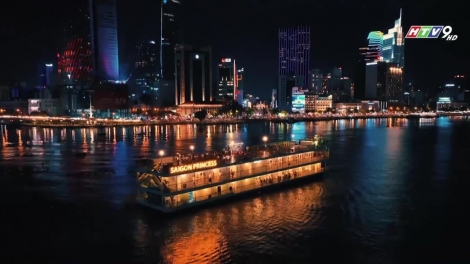
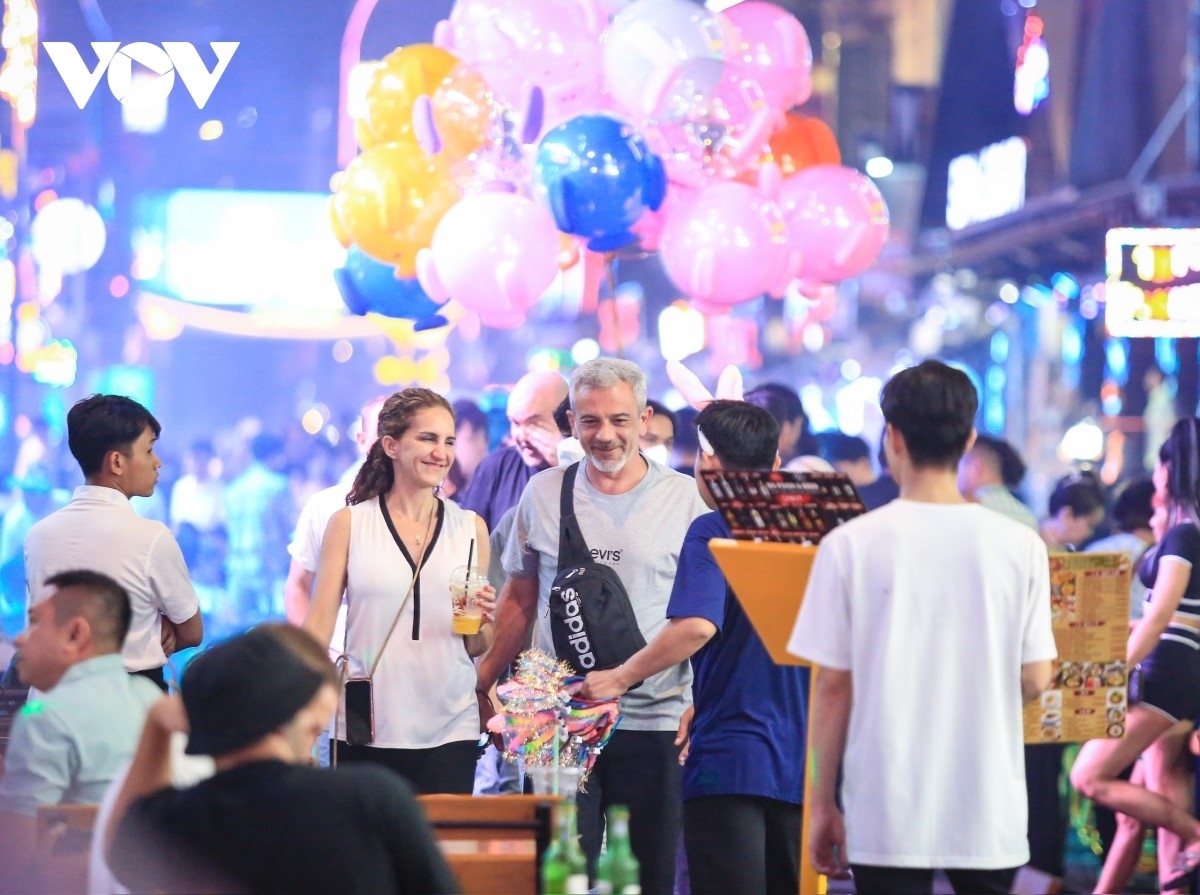
According to a survey by the municipal Department of Tourism, night-time tourism activities are currently concentrated in Nguyen Hue walking street, Bui Vien street, Ben Thanh night market, Bach Dang wharf, and riverside eateries. The attractions include street art performances, food courts, cruises, and nightlife venues.
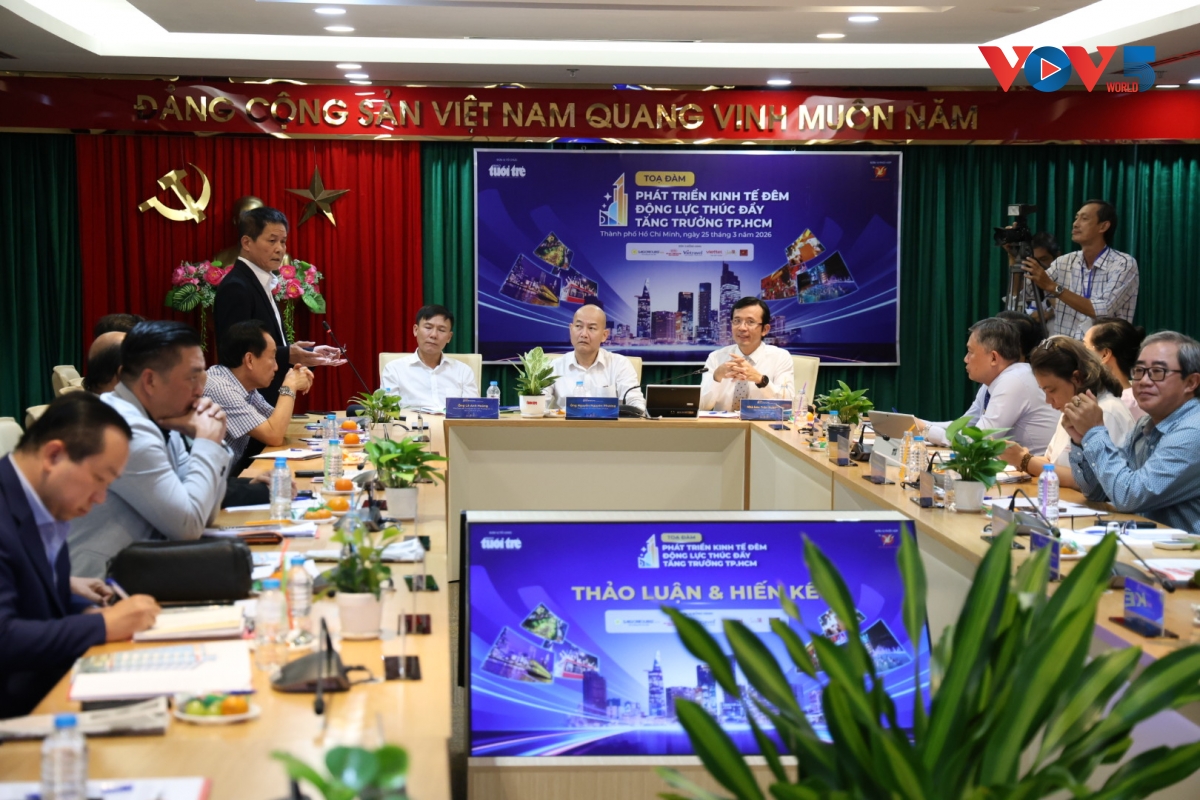
Associate Professor Dr. Dinh Tien Minh, senior lecturer at University of Economics Ho Chi Minh City’s College of Business, says night-time service products lack a distinct identity, fail to deliver a deep experience, and don’t form a synchronized ecosystem.
“The city's night-time economy products look good on the surface, but are pretty monotonous, concentrated in a few locations, and lack distinctiveness, an integrated ecosystem, and a strong appeal. Experiential spaces and functional linkages are limited,” said Minh.
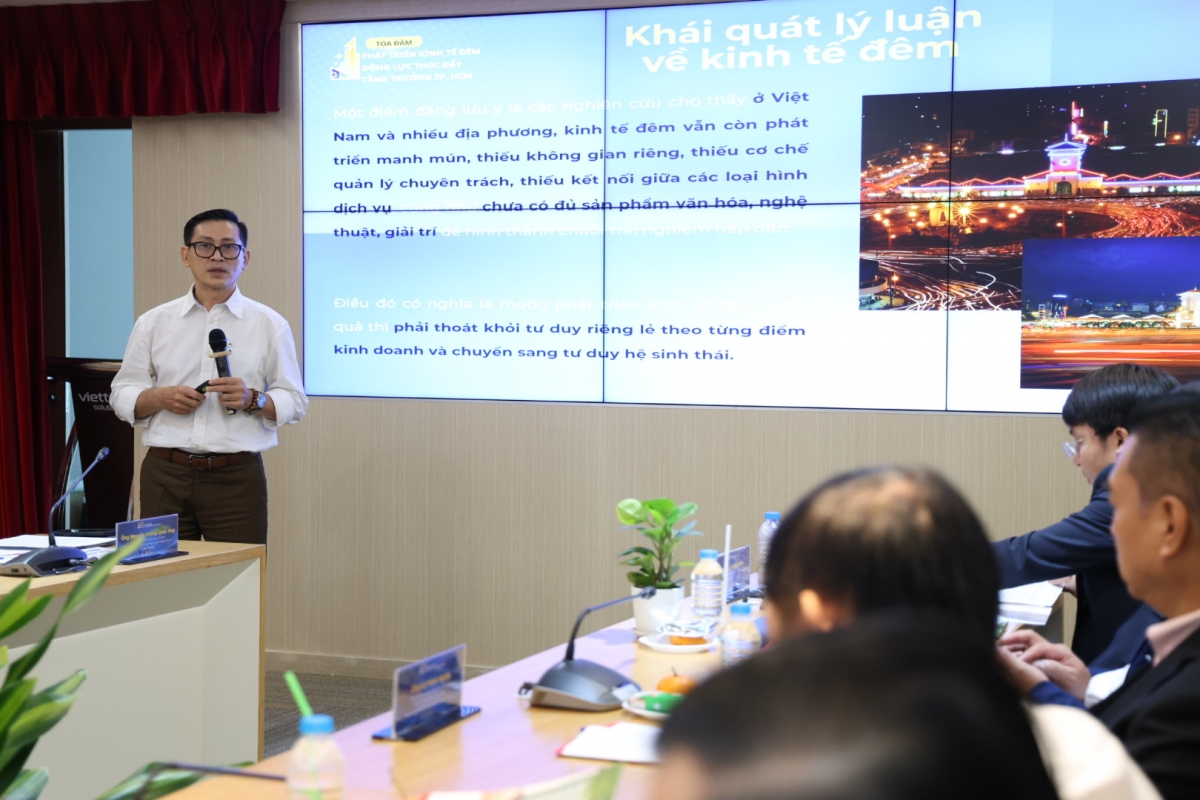
The 30 million domestic and foreign visitors who came to Ho Chi Minh City last year suggest a high-potential consumer market for services, shopping, and entertainment between 6:00 PM and 6:00 AM.
Economists say the night-time economy boosts tourism spending and plays an important role in urban development. But night-time activities must cater to both tourists and local residents to shape a unique urban identity. Applying digital technologies will help authorities and businesses manage night-time economy zones and improve the visitor experience.
Huynh Phan Phuong Hoang, Deputy Director General of Vietravel, suggested that the city needs clear planning and classification of zones, such as food streets, art streets, bar and pub areas, cultural night markets, and outdoor performance spaces.
Supporting infrastructure like taxi stands, night bus services, and safe pedestrian areas should be developed, and the city should establish “night-time economy clusters” in areas such as the City Opera House, Ben Thanh Market - Ham Nghi, Nguyen Hue street, and Tau Hu canal.
Each cluster should have its own theme, such as traditional cuisine, local fashion, street music, or creative products.
Vo Viet Hoa, Director of the International Tourism Division of Saigontourist, says tourism products must clearly reflect the city’s unique cultural identity to stand out among regional destinations.
“As HCMC expands toward Binh Duong and Ba Ria-Vung Tau, it’s very challenging to integrate these areas into a cohesive tourism product that showcases a large and important metropolis to international visitors. Due to current transportation constraints, we can only develop products based on individual, separate areas for now.”
One of Ho Chi Minh City’s key advantages lies in its geographical features and river system, which can be combined with culinary and cultural activities to create high-quality night-time tourism products.
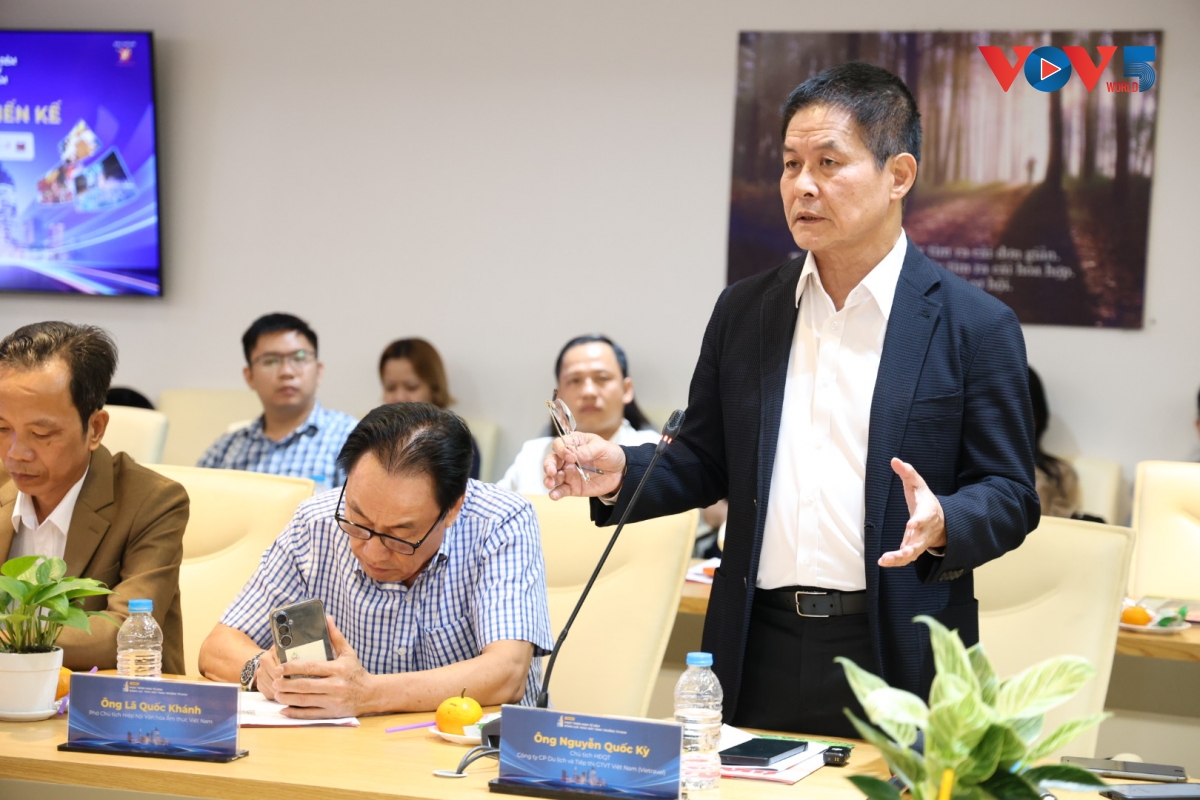
Nguyen Quoc Ky, Chairman of Vietravel, suggests that the city clearly define spatial axes, products, and specific activities to develop the night-time economy and promote the creative economy.
“We must define the core value of the night-time economy as a multi-axis model,” said Ky, adding, “Not only in District 1 or District 5, but within the city, there must be diversity within compact spaces and multi-axial development across the broader urban area, such as Cho Lon and the night food culture in Thao Dien. It’s essential to promote the creative economy and be willing to experiment, even accept failure, to generate value for the city’s overall development.”
Amid intensifying competition among destinations, fully tapping into the night-time economy will increase revenue, extend the average tourist’s length of stay, create a new growth driver, and help position Ho Chi Minh City as a primary tourism and service hub for the region.