



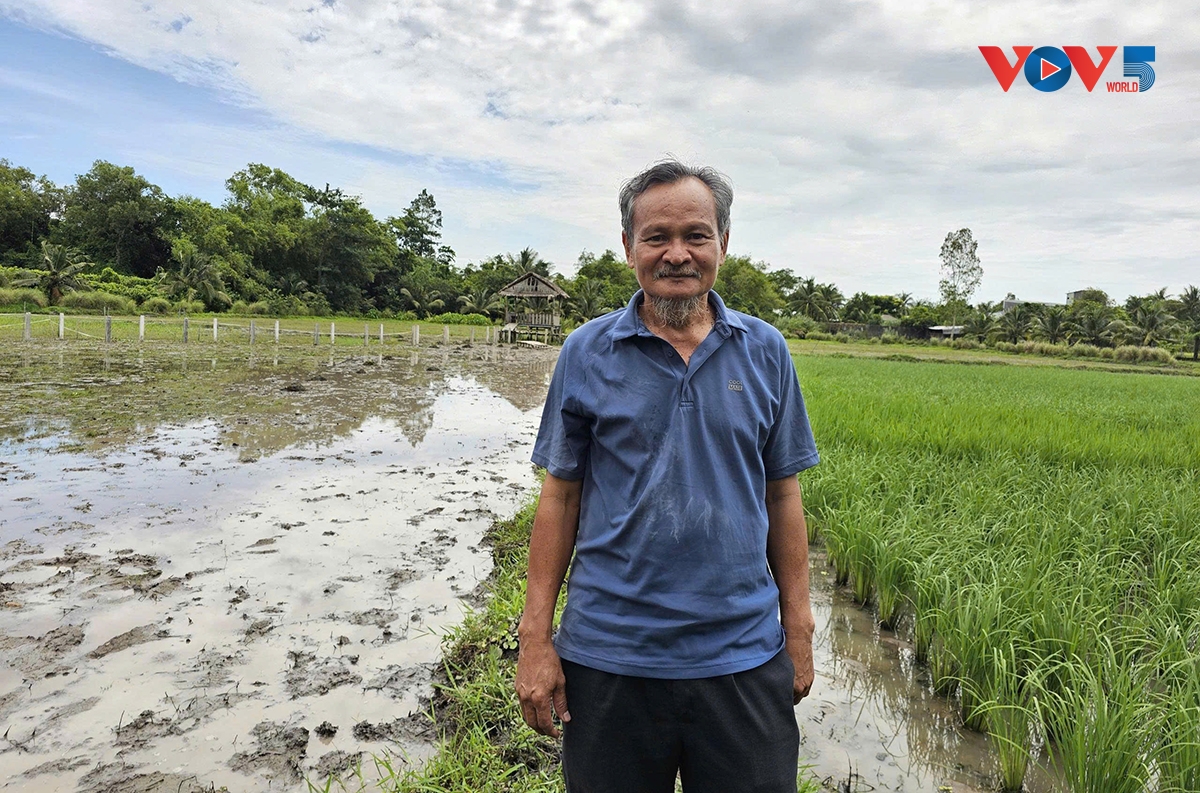
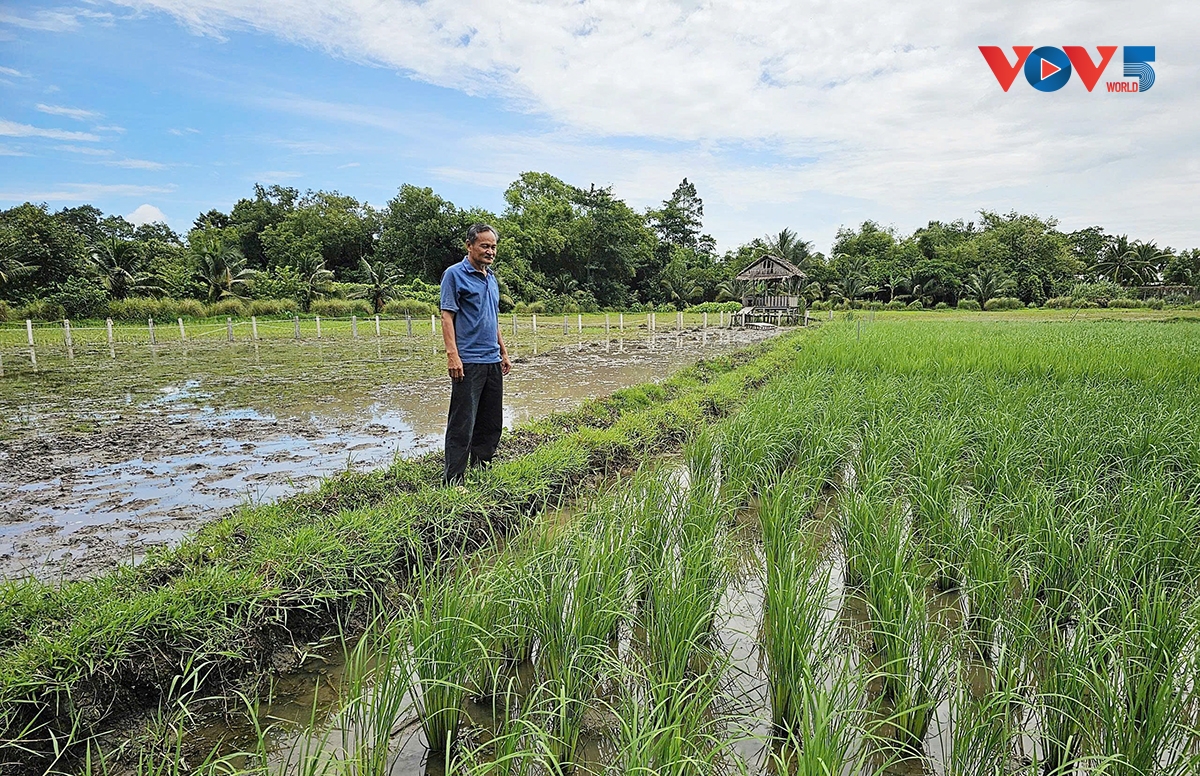
While other farmers follow the modern trend of cultivating new rice varieties, Viet has committed himself to long-cycle seasonal rice, growing just one crop per year.
To him, these old varieties are more than crops - they’re the product of centuries of adapting to nature and preserving farming knowledge, cultural identity, and the way of life of riverine communities.
"I’m not a conservationist or someone who is simply sticking with the seasonal rice varieties. I’m using these varieties to re-create the culture, production activities, and past relationship between farmers and their environment," said Viet.
To pursue his desire to preserve traditional agriculture, in 2008 Viet began collecting seasonal rice varieties and also turned to the seed bank of the Mekong Delta Development Research Institute (MDI) at Can Tho University. For each variety, he requested 100 seeds and carefully hand-planted and harvested them to multiply the stock.
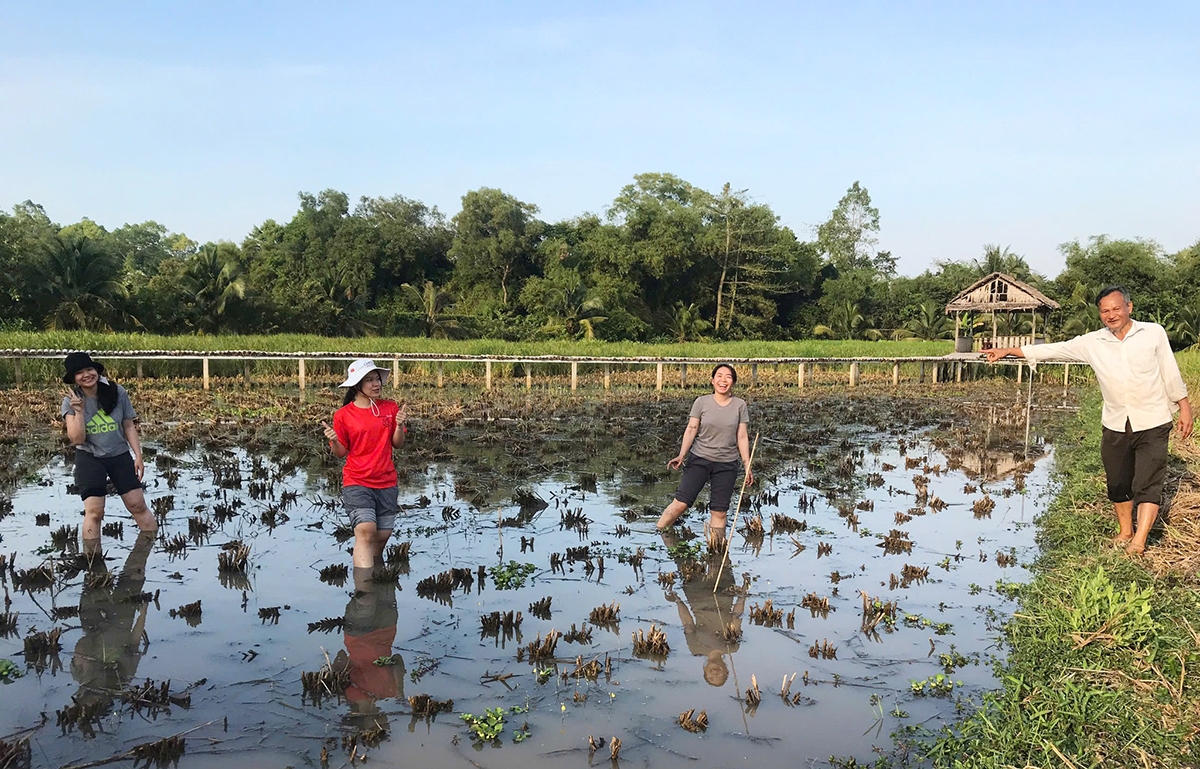
In 2017, he established a 3-hectare “Seasonal Rice Culture” farm dedicated to varieties that had fallen out of use due to lower yields and limited competitiveness compared to hybrid rice.
On his land he re-created a natural ecosystem: vegetation along the banks, fish and shrimp in the water, and birds, turtles, and snakes coexisting. He also set aside a large house to display traditional farming tools, including planting sticks, sickles, fish traps, and rice threshing machines.
"I keep imagining the farmers heading to the fields. Besides their lunch boxes, they carried traditional tools. They would only eat after finishing their work. After lunch, they set traps to catch shrimp, crabs, and fish. On days with fish sauce, they would gather water primrose, morning glory, and other wild vegetables to bring home. That simple life is something I’ll never forget," Viet recalled.
Viet has restored more than 40 seasonal rice varieties. His unconventional approach has drawn international attention. Thailand has invited him to join a regional network for indigenous seed conservation, and universities in Japan and Thailand have sent people to study his model.
"In 2023, some friends from Thailand visited and said they would invite me there, where there are like-minded people. Last February, I attended an indigenous seed festival in Thailand, which has been held 25 times and features rice and other crops," he told VOV.
Researchers say that while the economic efficiency of seasonal rice farming requires further assessment, its environmental and social value is undeniable. The model contributes to biodiversity conservation, preserves indigenous rice varieties, and helps restore natural ecosystems.
Dr. Nguyen Van Kien, Director of the Mekong Organics Company, said, "I’m also involved in researching and conserving the floating seasonal rice system in An Giang. Viet’s work is really impressive. It’s very meaningful from a conservation perspective, and I strongly support it."
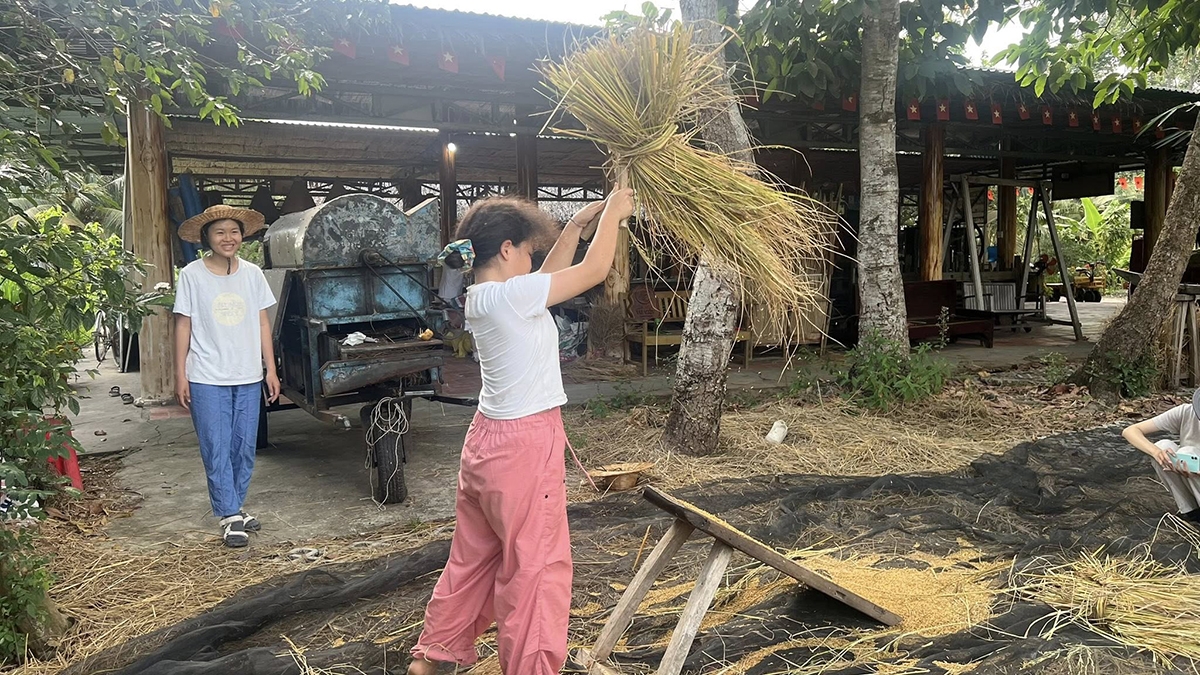
Le Quoc Viet studied crop science at Can Tho University in 1986. In 2023, he founded and became Chairman of the Creative Farmers’ Cooperative. In 2024, he was honored by the Vietnam Farmers' Union with the title “Farmer Scientist”. He has also authored several books on seasonal rice.
Now in his 60s, Viet follows a simple philosophy: to produce healthy rice and clean grain, the soil must be healthy - and to keep the soil healthy, beneficial organisms must be respected and protected. It’s a return to the natural, sustainable farming methods practiced by generations before him. For Viet, each rice variety tells a story of the Southern land.