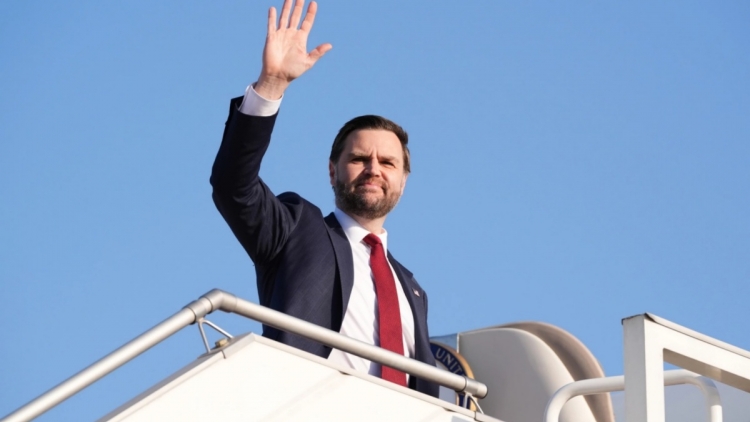




US Vice President J.D. Vance and Iranian Parliament Speaker Mohammad Bagher Ghalibaf failed to reach an agreement after more than 21 hours of talks in Islamabad, Pakistan, on April 11.
Profound divide
Before leaving Pakistan, Vance said they had not reached an agreement and that was worse news for Iran than for the US. Iran did not want to comply with Washington's core demand, a commitment that Iran will not seek a nuclear weapon and will not seek tools that would enable them to quickly achieve a nuclear weapon.
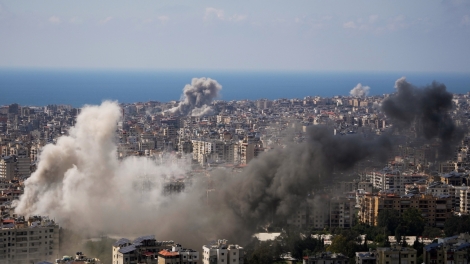
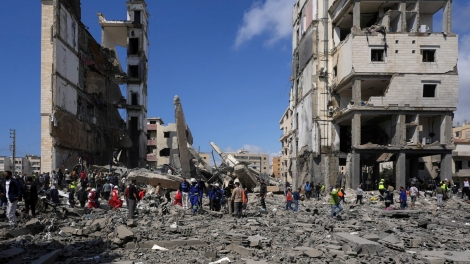
According to Iranian reports, the disagreements extended beyond the nuclear weapons issue to Iran’s stockpile of enriched uranium, Tehran’s demand for firm security guarantees against future attacks, compensation to Iran by the United States and Israel, control of the Strait of Hormuz, and Israel’s military operations in Lebanon. Ghalibaf said the United States failed to gain the trust of the Iranian negotiators.
Observers say failure of the Islamabad talks was one of the anticipated scenarios, given the factors affecting the negotiations, but Trita Parsi, Executive Vice President of the Quincy Institute for Responsible Statecraft, said that doesn’t mean future talks will produce the same outcome.
“Neither side may have wanted to give the impression that they came to an agreement too quickly. They could be opening themselves up for criticism at home that they may have given in too much or too easily. So in and of itself that is not necessarily the problem, but if on substance they remain this far away from each other and there is escalation simultaneously that certainly doesn't work well,” said Parsi.
The international community has assessed the Islamabad talks cautiously. While disappointed that no clear diplomatic path to ending the conflict has emerged, most leaders and international organizations say it’s unrealistic to expect a swift agreement after weeks of intense conflict.
Stephane Dujarric, Spokesperson for the UN Secretary-General, said, “After weeks of destruction and distress it is clear that there is no military solution to the current conflict in the Middle East. While no agreement was reached at the talks hosted by Pakistan between the United States and the Islamic Republic of Iran in Islamabad, the discussions themselves underscored the seriousness of their engagement and constituted a positive and meaningful step towards renewed dialogue. Given the deeply rooted differences, an agreement cannot be reached overnight.”
Diplomacy racing against time
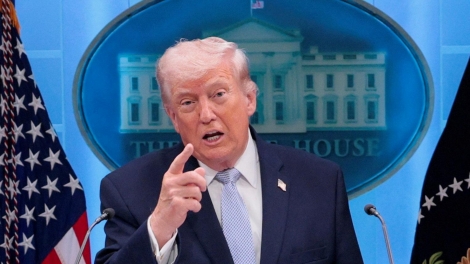
While not overly pessimistic about the failed talks, the world has been concerned that recent moves might quickly reignite fighting in the Middle East. The biggest concern is President Donald Trump’s decision to impose a naval blockade against vessels of all nationalities entering or departing Iranian ports, beginning Monday morning. Trump warned that ships complying with Iranian transit conditions, including the payment of tolls, could be stopped in international waters.
Analyst Trita Parsi called the move a new pressure tactic by Washington aimed at crippling Iran's economy by targeting its oil revenues and forcing major importers, particularly China and India, to decrease their energy reliance on Iran, threatening them with indirect economic consequences. Parsi warned that this strategy could place the US in a dangerous confrontation with those countries and provoke escalatory retaliation from Iran.
The worst possibility is that the Houthi forces in Yemen, an ally of Iran, might blockade the Red Sea, through which 12% of global oil exports pass. In such a scenario, 32% of global oil exports would be at risk, with severe consequences for the world economy.
Pakistani security analyst Zahid Hussain said, “I don't think that fighting will start soon, but certainly it will not de-escalate the situation. The tension will continue there and I think the indication is that the United States will continue to put pressure on Iran. So one incident could lead to another round of war.”
Multilateral diplomatic efforts are being intensified as Trump’s two-week deadline expires on April 21. The Kremlin said Monday that President Vladimir Putin spoke by phone with Iranian President Masoud Pezeshkian, and Russia stands ready to take charge of Iran's highly enriched uranium as part of a future peace deal with the United States.
French President Emmanuel Macron said Monday that France and the UK will co-organize a “multinational peace mission” to restore freedom of navigation in the Strait of Hormuz, separate from the warring parties and unrelated to the US-proposed blockade.
In another sign that diplomacy is a priority for Washington, Vice President Vance said on Monday that the US proposal remains on the table if the Iranians choose to accept it.