


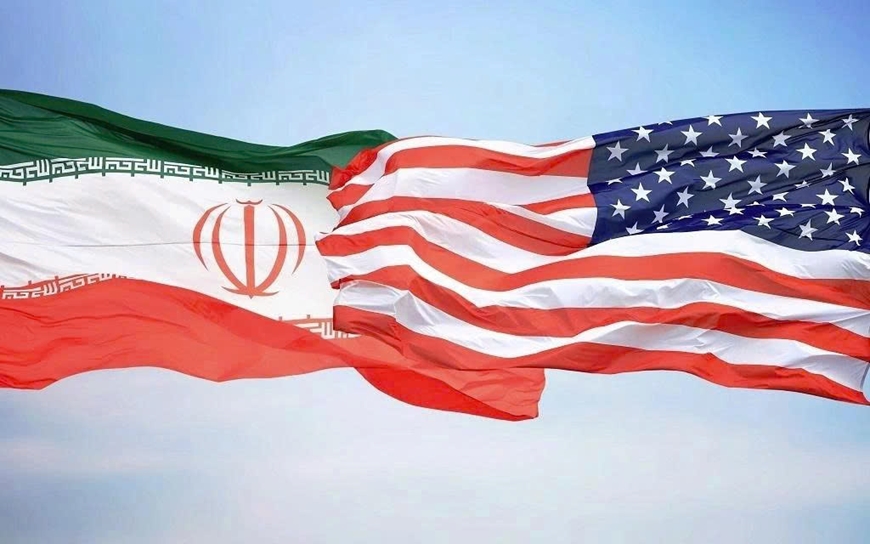

UN Secretary-General Antonio Guterres welcomed the announcement and called on all the parties to the current conflict in the Middle East to comply with their obligations under international law and to abide by the terms of the ceasefire in order to pave the way toward a lasting and comprehensive peace in the region.
The European Union’s top diplomat, Kaja Kallas, described the ceasefire as a “step back from the brink,” saying it created a much-needed chance to tone down threats, stop missiles, and restart shipping. The EU is ready to support diplomatic efforts and remains in contact with regional partners, she added.
In a statement on Wednesday, Chinese Foreign Ministry spokesperson Mao Ning said China supports the ceasefire agreement, calling it a positive step to ease tensions and praising the mediation efforts of several countries, including Pakistan.
Russian Foreign Ministry spokesperson Maria Zakharova said a force-based approach has failed and called for resolving the conflict through political and diplomatic means in line with international law.
French President Emmanuel Macron said he hopes that the ceasefire will be fully respected throughout the region in the coming days and weeks and will allow negotiations to take place.
UK Prime Minister Keir Starmer said he will work with partners to keep the deal in place and push for a long-term solution, including reopening the Strait of Hormuz.
Middle Eastern countries voice their support for the deal. Saudi Arabia said it hopes the ceasefire will lead to lasting calm and called for an end to actions that harm national sovereignty and stability.
Pakistan’s prime minister said Pakistan will host US and Iranian delegations this Friday to start direct talks on a long-term peace deal. Iran’s team will be led by Parliament Speaker Mohammad Baqer Qalibaf, and the US delegation by Vice President JD Vance.