



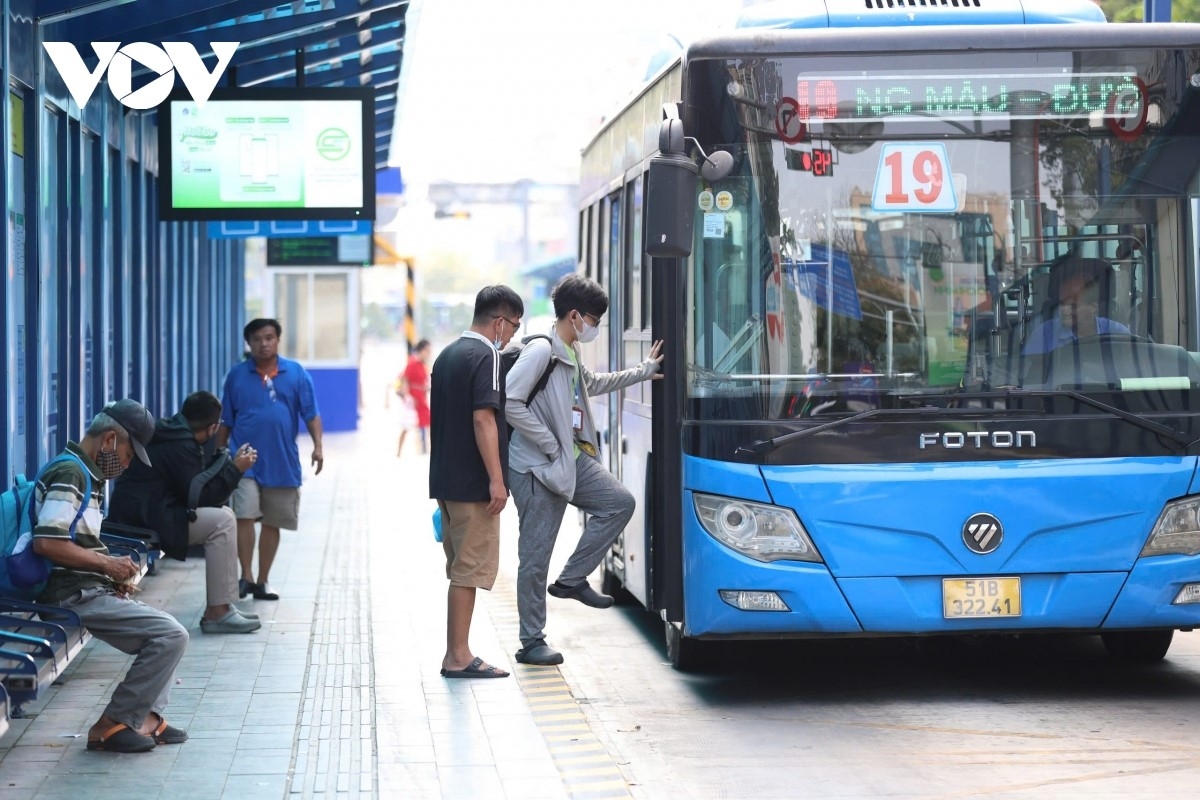
Ho Chi Minh City now operates 180 bus routes, including both intra-city and inter-provincial lines, with 2,400 vehicles, nearly half of them electric.
At present, free fares are applied to people over 60, children under 6, meritorious individuals, and people with disabilities, and most routes receive subsidies to support the general public.
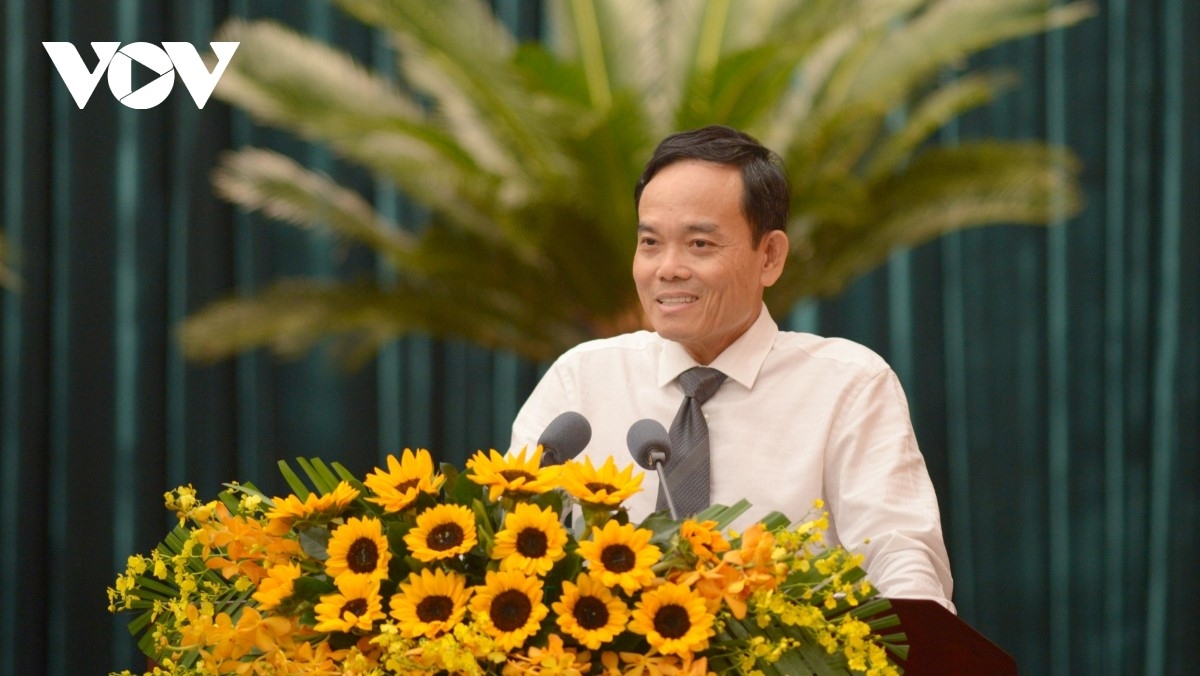
Tran Luu Quang, Secretary of the municipal Party Committee, said, “Offering free bus fares and waiving border gate infrastructure fees are to achieve the city’s major strategic goals.”
“Vietnam’s top leader To Lam has tasked the city with minimizing environmental pollution and traffic congestion. To encourage people to shift from motorbikes to buses, authorities will not impose bans but will instead apply economic incentives. We currently have 600 electric buses and intend to increase this number,” Mr. Quang added.
The free fare scheme is being studied for rollout on approximately 135 inner-city routes. Inter-provincial routes are currently excluded due to differing financial mechanisms and operating models.
Secretary Quang noted that the city views this as a long-term investment to reduce congestion, improve environmental quality, and improve residents’ quality of life. The policy also shares the commuting costs of low-income residents.
HCM city expects to spend 266 million USD on the program. The Department of Construction will reorganize the bus network and expand the electric fleet to further improve environmental outcomes.
Party Secretary Quang said, “With fuel prices rising, Ho Chi Minh City is allocating resources to support its citizens and encourage a collective response to global fluctuations.”
As of March, Ho Chi Minh City has around 13 million vehicles – 1.5 million cars and 11.5 million motorbikes. This massive volume frequently overwhelms major arteries and the environmental toll is equally significant.
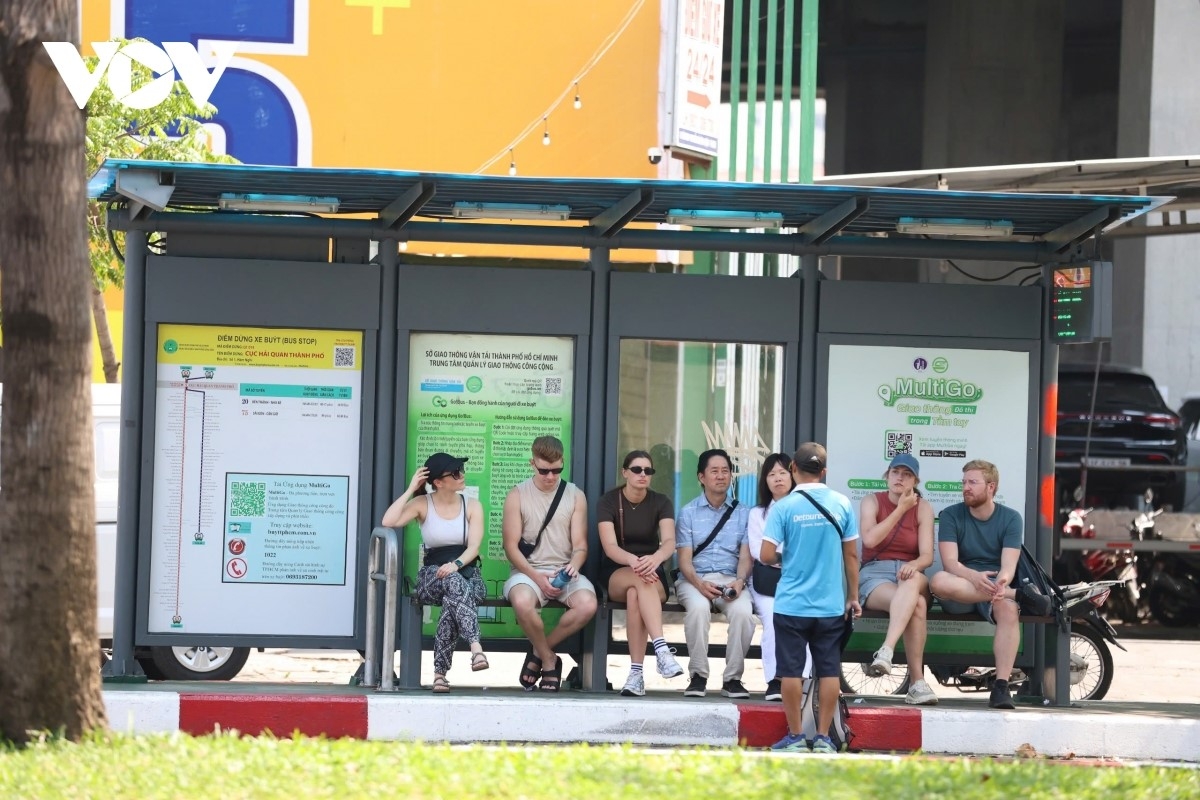
Local residents, including Hoang Tho, have welcomed the incentive.
“The city’s decision to provide free bus fares, even temporarily until the end of the year, is greatly appreciated,” said Tho, adding, “It helps reduce travel costs amid rising fuel prices and encourages people to choose public transportation over private vehicles. Once people form the habit of taking the bus, it will benefit the environment. Fewer private vehicles mean lower emissions and better air quality,” said Tho.
Locals hope the fare waiver will make buses a more attractive option for daily travel, especially for short commutes or fixed work schedules.
Chiara Nguyen of Phuoc Long ward told VOV, “I’ve lived in the city for five years. Due to my work on community projects, I use the bus daily. Free bus fares are a positive signal that will encourage wider use. I hope the city improves service quality and maintains the policy long-term, as public transportation reduces traffic pressure and creates a better living environment.”
Another resident named Le Ngoc Han said, “Every day I take at least two bus trips on three or four routes. On busy days, I may take six or seven. Buses are cool and clean, and fuel is getting expensive.”
The shift from private vehicles to public transportation is expected to reduce congestion, cut emissions, and improve living conditions, supporting Vietnam’s goal of achieving net zero emissions by 2050.